10 Best Caves to Visit in Iceland
Rachel Horne · September 16, 2021
Ice Cave or Lava Cave?
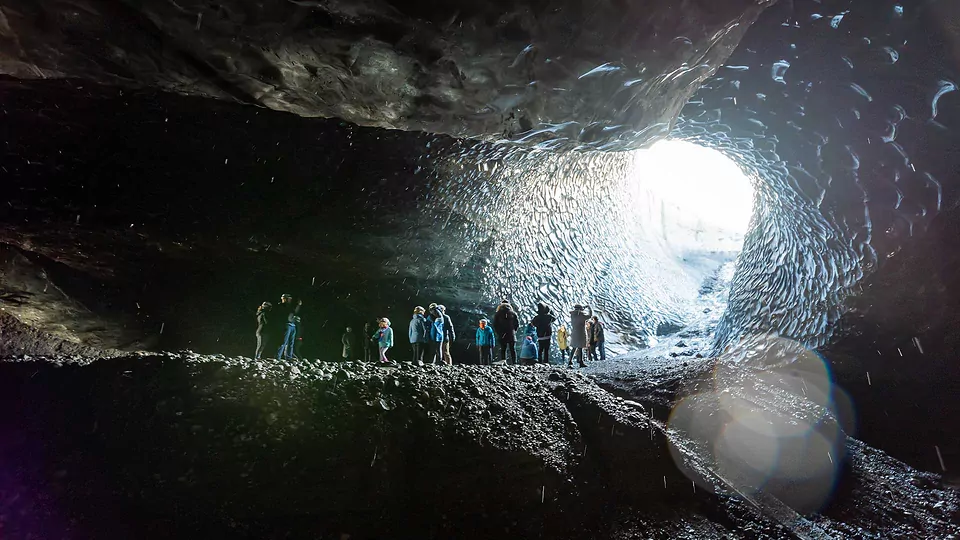
Ice Caves and Lava Caves offer a completely different experience. Ice Caves are usually found in the glaciers. They are formed when melted glacier water flows under the surface of the ice sheet in the Summer. The water carves out new caves and hollows, which are then frozen solid in the Winter. Glacial Ice Caves are an extraordinary blue. The unique chambers of ice melt, change, and reform every year. You can’t step into the same Ice Cave twice! It is not possible to visit the vast majority of Ice Caves in Summer months, because they can be unstable and dangerous. Lava Caves, on the other hand, can be visited all year round. Lava caves are also formed by flowing liquid. Rather than water, they are formed by the molten rock that has been released after a volcanic eruption. The lava exposed to the air cools and solidifies first, creating the lava fields that you can visit on the surface. Beneath the lava fields, the hot lava kept flowing. It carved out a fantastic network of tunnels and caves. Once solidified, these incredible caves remain unchanged for thousands and thousands of years! Lava Caves can also get covered in icicles and ice sculptures, particularly in the winter months. However, they remain strong and solid every year, whereas the Glacial Ice Caves are only available for a single season. While Ice Caves remind us of nature's endless ability to change and recreate, the Lava Caves can take us back in time. They remind us how fleeting and precious our own lives truly are. Here are some of the most magical caves that you can explore during your visit to Iceland:1. Ice Caves of Katla
Katla is an enormous volcano, which is covered in a thick Ice Cap all year round. If you are visiting Iceland in Summer, this is one of the only places where you will be able to explore the Ice Caves safely. The volcano is still active and erupts roughly every 50 years. Katla is situated near Vik, famous for its black volcanic beaches and intact US navy plane wreck that you can still hike out to visit. The amazing Ice Caves of Katla are striped with layers of black volcanic ash. You may recognize the location from its role in the Star Wars Rogue One film! Make sure you wrap up in plenty of warm layers because it is very cold inside the cave. After reaching the base of your adventure via super jeep, you will be provided with crampons and hard hats in order to keep you safe. Your knowledgeable guides will tell you about the history and the future of the cave. Please Note: You must have a reasonable level of fitness to enjoy this adventure! If you would like to visit Iceland in winter, you will have many more options to visit and explore the incredible ice caves of our country. However, the Ice Caves melt and reform every year. Rather than planning to visit a specific Ice Cave, you should choose a tour company with great reviews and plenty of experience. They will handpick which Ice Caves to explore each year.2. Gjábakkahellir Cave
Gjábakkahellir Cave was formed over 9,000 years ago! This incredible cave is known by many names, including ‘Helguhellir’, ‘Stelpuhellir’, or ‘Little Girl’s Cave’. It was discovered in 1907, during the construction of a new road. Unlike most Lava Tunnels, the cave is wide open at both ends. This means that you can explore the full 360 meters (1180 feet) length and walk right out the other side. Gjábakkahellir is one of the few accessible caves that hasn’t been developed with floodlighting and man-made structures. It is the perfect place for those with a genuine love of adventure. For your safety and comfort, we highly recommend that you go on an organized tour! This enormous Lava tunnel is filled with Shark Tooth Stalagmites, and at the source, you will find extraordinary Lava Falls. You will need to scramble in some places, using your hands to pull yourself over some of the larger rocks formations on the floor of the cave. You must wear good, strong hiking shoes and wear a helmet and a flashlight. Your guide will provide the light and helmet, and teach you all about the formation of the tunnel. You don’t have to hike very far to reach the cave, because it’s possible to park just 50 meters away from the cave opening. However, you will need to have a reasonable level of fitness to enjoy the visit, and you have to crawl and stoop over to get into the tunnel. We recommend that you wear gloves that you don’t mind getting dirty, as you will have to use your hands. If you are claustrophobic, this might not be the best cave for you! However, once you have crawled into the opening, the majority of the tour would be done standing.3. The Þríhnúkagígur crater
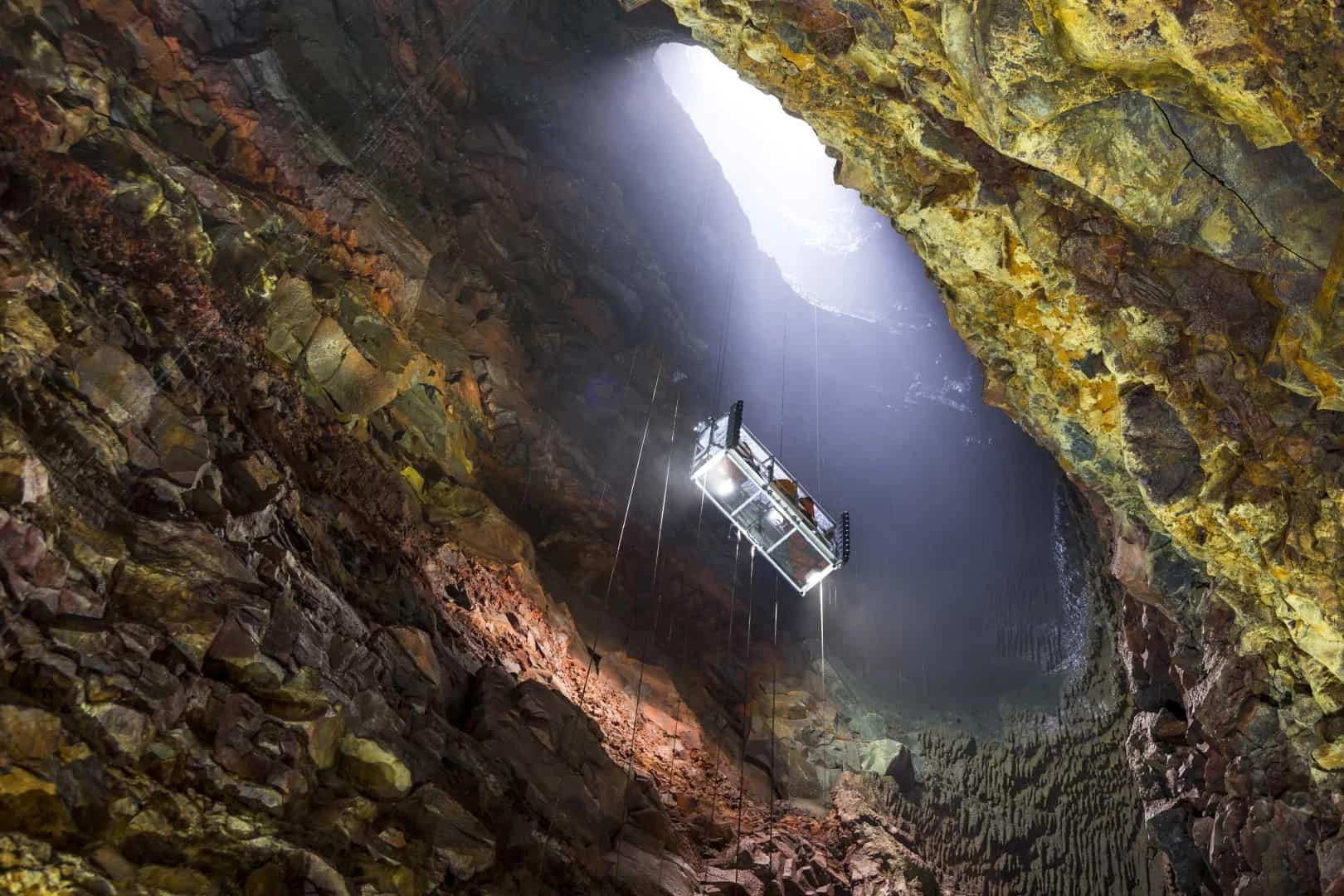 The Þríhnúkagígur crater (or Thrihnukagigur Volcano Cave) is one of the most special volcanic caves in the whole world. It was created around 4,000 years ago, but the volcano has not erupted since the formation of the cave.
This magma chamber is one of the rarest geological formations in the world.
Usually, the magma chamber would fill with magma or collapse after the volcano erupts. In this circumstance, the magma drained out of the chamber, leaving a perfectly preserved magma chamber. You enter the chamber via a spectacular descent in an open elevator, which lowers 400 feet to the floor of the magma chamber.
Arni Stefansson discovered the cave in 1974, and its walls are brightly colored by red, green, and brown mineral deposits.
The Þríhnúkagígur crater is a rare natural phenomenon and a once in a lifetime experience for lovers of the natural world.
The Þríhnúkagígur crater (or Thrihnukagigur Volcano Cave) is one of the most special volcanic caves in the whole world. It was created around 4,000 years ago, but the volcano has not erupted since the formation of the cave.
This magma chamber is one of the rarest geological formations in the world.
Usually, the magma chamber would fill with magma or collapse after the volcano erupts. In this circumstance, the magma drained out of the chamber, leaving a perfectly preserved magma chamber. You enter the chamber via a spectacular descent in an open elevator, which lowers 400 feet to the floor of the magma chamber.
Arni Stefansson discovered the cave in 1974, and its walls are brightly colored by red, green, and brown mineral deposits.
The Þríhnúkagígur crater is a rare natural phenomenon and a once in a lifetime experience for lovers of the natural world.
4. The Silfra Fissure
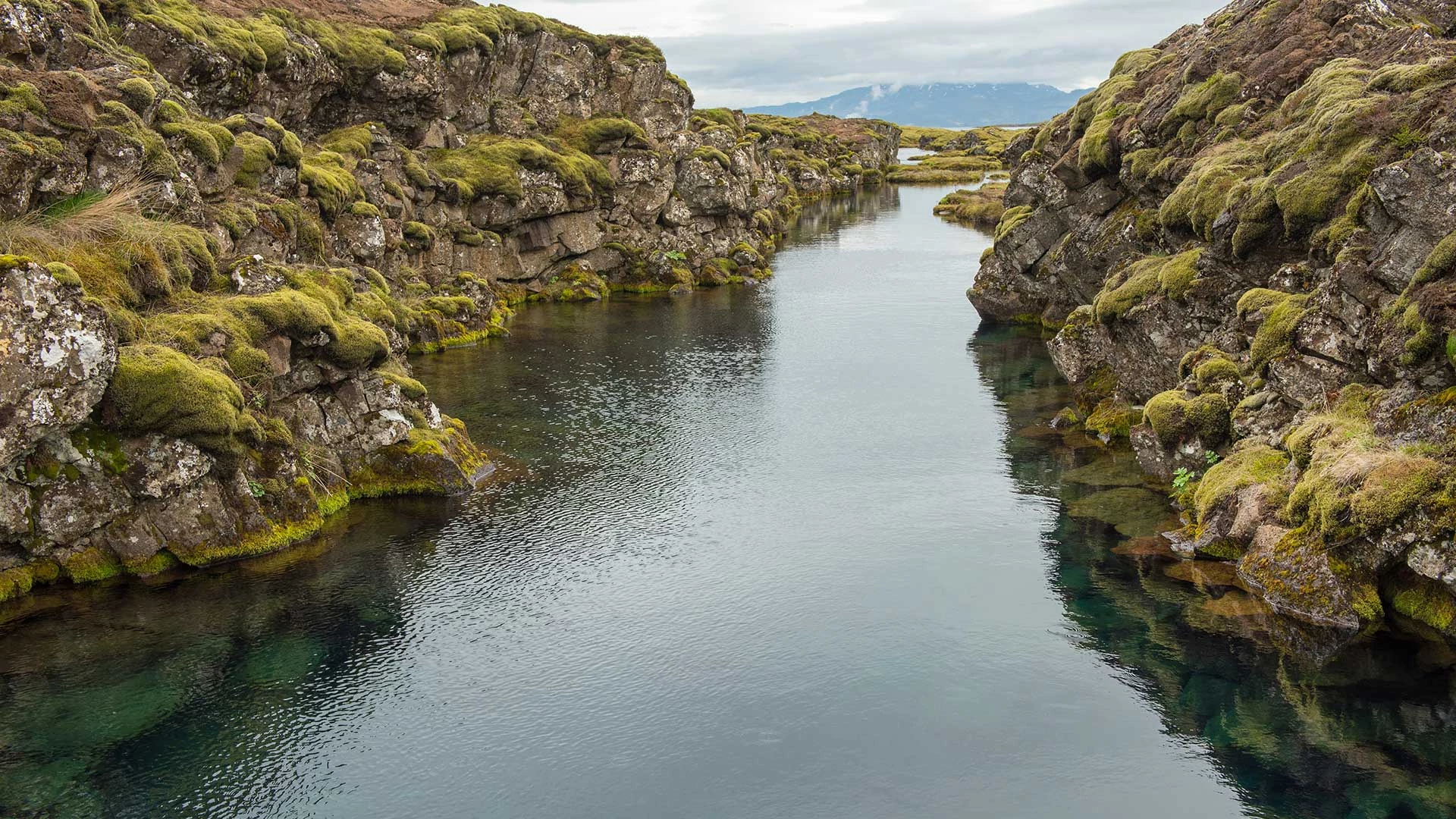 Though not a cave in itself, the Silfra fissure is home to many extraordinary rock formations and chambers. It is the only place in the world where you can scuba dive between tectonic plates!
The Silfra fissure is the rift between the tectonic plates of North America and Eurasia. The tectonic plates were split apart after an enormous earthquake in 1780.
The water is extremely clear, because it has been forced for hundreds of years through the volcanic rock before filtering into the fissure. The pristine water has no pollution at all, so you can enjoy clear visibility for over 100 meters below you.
Scuba Diving at the Silfra Fissure is a one in a lifetime experience. New tunnels and caves are being constantly created and destroyed by the movement of the plates, so there is always something new to explore. To join a Scuba Diving tour, you need to have your dive certification card, and proof of 10 logged drysuit dives in the past 24 months.
If you aren’t an experienced diver, you can still discover the spectacular underwater landscapes of the rift. You can join a snorkeling tour of the Silfra fissure. The water temperature varies between 2 and -4 degrees centigrade (35.6 and 28.4 degrees Fahrenheit), so you will be provided with a dry suit to keep you warm and dry.
Please Note: It is not possible to dive or snorkel at the fissure if you are pregnant. There are some weight, age, and height restrictions that you should check with your tour guide on booking the experience.
Though not a cave in itself, the Silfra fissure is home to many extraordinary rock formations and chambers. It is the only place in the world where you can scuba dive between tectonic plates!
The Silfra fissure is the rift between the tectonic plates of North America and Eurasia. The tectonic plates were split apart after an enormous earthquake in 1780.
The water is extremely clear, because it has been forced for hundreds of years through the volcanic rock before filtering into the fissure. The pristine water has no pollution at all, so you can enjoy clear visibility for over 100 meters below you.
Scuba Diving at the Silfra Fissure is a one in a lifetime experience. New tunnels and caves are being constantly created and destroyed by the movement of the plates, so there is always something new to explore. To join a Scuba Diving tour, you need to have your dive certification card, and proof of 10 logged drysuit dives in the past 24 months.
If you aren’t an experienced diver, you can still discover the spectacular underwater landscapes of the rift. You can join a snorkeling tour of the Silfra fissure. The water temperature varies between 2 and -4 degrees centigrade (35.6 and 28.4 degrees Fahrenheit), so you will be provided with a dry suit to keep you warm and dry.
Please Note: It is not possible to dive or snorkel at the fissure if you are pregnant. There are some weight, age, and height restrictions that you should check with your tour guide on booking the experience.
5. Raufarholshellir lava tunnel
The Raufarholshellir is so famous that it is commonly referred to as just ‘The Lava Tunnel’. Surrounded by looming mountains and craters, Raufarholshellir will take your breath away before you’ve even stepped inside. This amazing lava cave was formed over 5000 years ago and is over 4462 feet (1360 meters) long. This is a good option for people who feel more claustrophobic because the ceiling goes up to 33 feet (10 meters) high. The tunnel was discovered in 1950 and soon became famous all over the world for its extraordinary beauty. The lava walls are covered in soft moss, and the tunnel is carpeted in stunning ice formations during the winter season. In the past, it was possible to visit the lava tunnel without a guide. Sadly this led to lots of trash being left inside, and almost all of the ancient stalactites were removed or destroyed by visitors. In 2016, a big clean up of the cave (and it’s three tunnels) was organized, and now you need to hire a guide to visit the amazing lava tube. The interior of the cave is lit up by beautiful columns of light that enter through the collapsed areas of the ceiling.6. The Caves of Hella
The Caves of Hella are rich in ancient Icelandic history. These mysterious man-made caves are home to ancient letters and signs which have been engraved into the walls by whoever built them. There is much debate about the history of the caves. They may even have been created before the earliest Viking settlers arrived in Iceland in the 9th century. There is evidence to suggest that the sandstone caves were carved out by the Irish Christian Monks, which predated the Vikings. You can visit the caves with the help of a local guide who will take you deep into the hand-carved chambers of rock. The caves have been owned by the same family for generations, who offer a personal and interesting history of this special place.7. Lofthellir Cave
If you prefer geology over history, why not visit the gorgeous Lofthellir Cave. This amazing lava cave is home to ancient ice sculptures all year round. Over thousands of years, water has slowly dripped into the freezing chamber. This repetitive dripping of water has created some extraordinary stalagmites of ancient ice. The mighty stalagmites prove that many tiny efforts can achieve significant change. Lofthellir cave was discovered in the North of Iceland following an earthquake in the 1980s. It is probably 3500 years old. To access the cave, you must first walk for 30 minutes across the lava field, before crawling around 1.5 meters 5 feet) on your belly. For this reason, it is not suitable for someone claustrophobic or very overweight. Your guide will provide you with safety ropes to make sure the experience is as safe and comfortable as possible! Make sure you wear plenty of warm layers because it is cold inside! Don’t forget waterproof trousers and good quality, woolen socks. You can always head to the nearby nature baths afterward to warm up in the thermal waters.8. Vatnshellir Lava Cave
The Vatnshellir Lava Cave is 8000 years old! The cave has been opened to the public since 2011 and is surrounded by beautiful lava fields. Inside, you will find some beautiful lava sculptures with the help of a powerful head torch. Vatnshellir is translated as the water cave because local farmers used to climb down into the pitch dark chamber to find water for their cattle. The farmers had to tackle the risky climb into the deep cave without any help. Luckily for you, a narrow spiral staircase has now been built. You will slowly walk down the long staircase, before stepping onto the floor of the cave 114 feet (35 meters) below the earth. No light or sound penetrates the bottom of the cave, but your guide will keep you safe with the help of safety ropes and head torches. You will discover incredibly bright splashes of mineral deposits. Insider Tip: The age limit for visiting this cave is just 3 years old. This makes Vatnshellir an excellent option for young families.9. Grjótagjá Cave
Grjótagjá is a beautiful hot spring cave that you might a recognize from the Game of Thrones Series. For fans of the show, this is where John and Ygritte were filmed getting ‘steamy’ together. The Old Icelanders believed that trolls inhabited the cave. We can’t provide any evidence for this, though we can be sure that the Icelandic outlaw Jon Markusson lived in the cave and bathed in the steaming waters during the 18th century. Due to a series of volcanic eruptions, it is no longer possible to bathe in the hot springs here. The unpredictable temperatures are hazardous, and you must not attempt to enter the water. However, the caves are stunning and still deserve to be visited. Take a seat on the ancient rocks and hear about the legendary trolls as the water vapor wraps around your limbs like smoke.10. Vidgelmir Cave
Vidgelmir Cave is the largest cave in Iceland, and one of the biggest caves in the world! Found in the West of Iceland, this cave is home to fantastic ice formations, stalagmites, and stalactites. Viking remains, and jewelry was discovered inside the cave in the 1990s. Since then, the cave has been carefully preserved, and it is only possible to enter with a guide. Stairwells and lighting have made parts of the cave easier to walk through. The lighting was carefully designed to complement the many natural colors that decorate the cave walls. After the narrow entrance tunnel to the cave, you will find the high ceilings very spacious. If you are a claustrophobic person, this is a better cave for you to visit.Please Note: Arnarker Cave is closed
For many years, Arnarker Cave has been one of the most popular caves to visit in Iceland. However, don’t be fooled by the out of date blog posts. It is now closed to the public. The stairs have been removed due to too much visiting causing damage to the cave’s integrity. For your safety, you must not attempt to enter this cave.Combined tours
If you are looking to maximize your Icelandic caving experience, you could consider booking a combined tour. For example, you could join a horse riding and caving tour, a kayaking and ice caving trip, or even extreme off-roading and caving experience.See you soon!
There's so much to discover beneath the surface of Iceland. Make sure you wear warm clothing, strong boots, and a good waterproof layer. Most guiding companies will provide all the additional equipment that you might need, but it is always a good idea to bring a flashlight with you too. If you are claustrophobic, make sure you do your research, because some of the caves require belly crawling and stooping. We hope you enjoyed this article about Caving in Iceland, and we look forward to welcoming you here soon!Related Destinations
Keep reading
Why Self Drive In Iceland?
There are so many benefits to self-driving in Iceland. You’ll be able to take things at your own pace, and you’ll have f...

How long are flights to Iceland?
You can get to Iceland by plane or ferry. But a word of warning. The ferry from Denmark takes between 2 and 3 days to ar...

13 Bars and Clubs to Check Out In Reykjavik
Reykjavik comes alive at night. At the weekend, some of the clubs will stay open until 5:30 am, with people dancing righ...
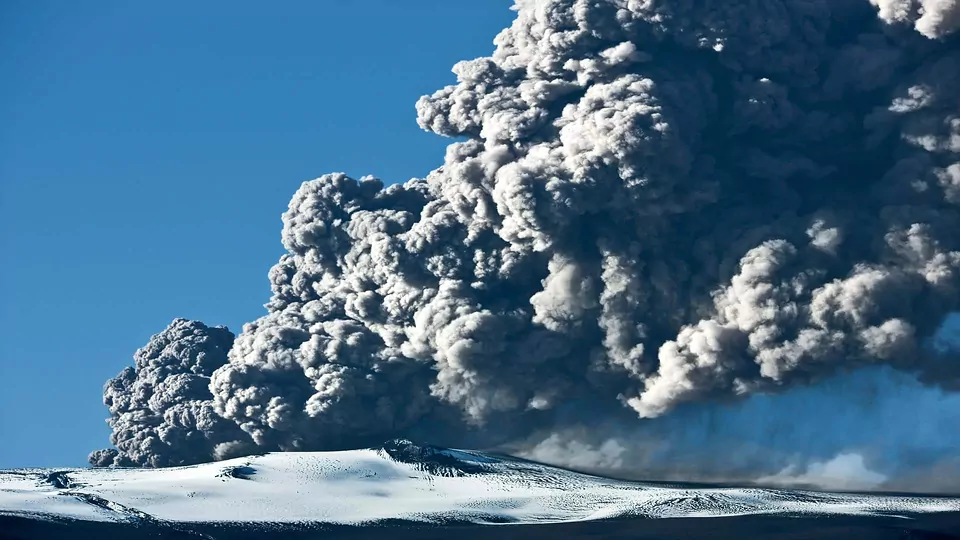
7 important eruptions in Iceland
Volcanoes have shaped Iceland’s landscapes for at least 16,000,000 years! The hexagonal cliffs, black sand beaches, and...
Step inside a journey
Guided audio journeys across Iceland — every stop mapped, narrated and ready to drive.
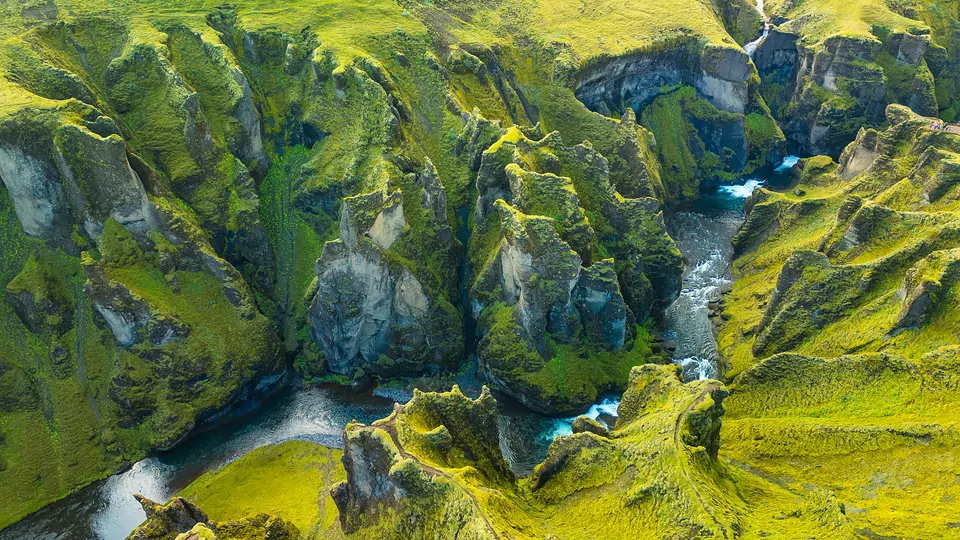
7 stops
South Iceland: Hidden Stops and Scenic Detours
Go beyond the classics with quieter stops, canyon views, and lesser-known corners of the south.
Start journey →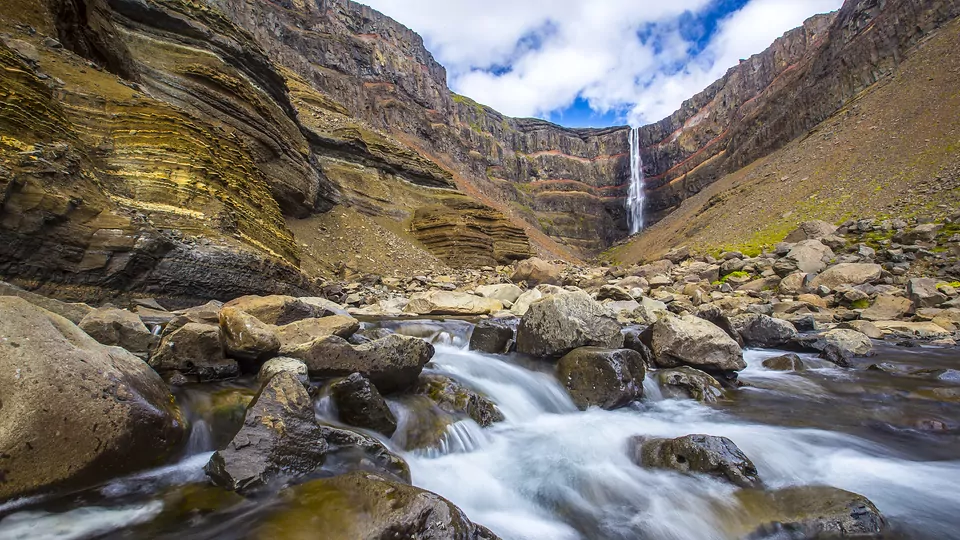
8 stops
East Iceland and the Eastfjords
Explore Iceland’s quieter east through fjords, small towns, basalt canyons, forests, and mountain-backed coastlines.
Start journey →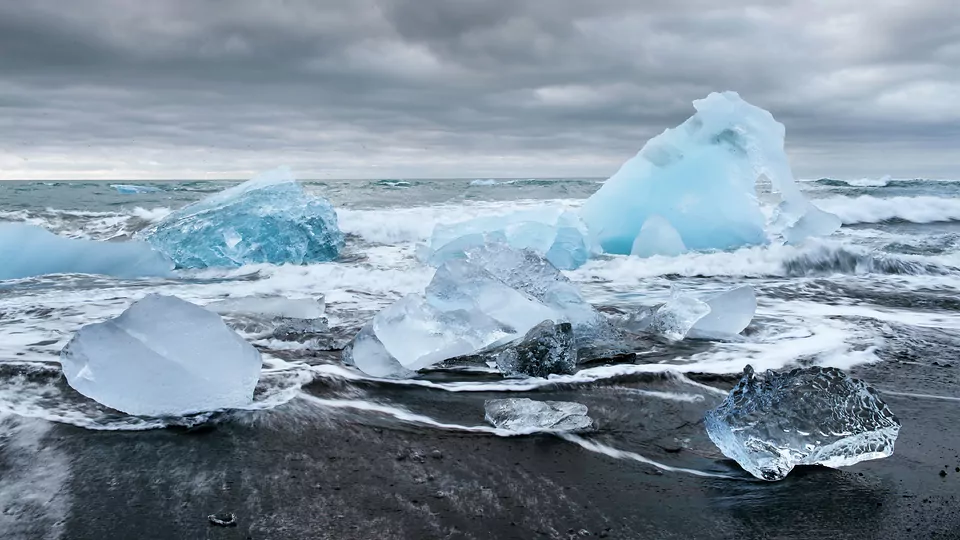
5 stops
Glacier Lagoons and Southeast Iceland
Experience Iceland’s glacial edge through lagoon ice, black shores, mountain views, and wide-open southeast landscapes.
Start journey →