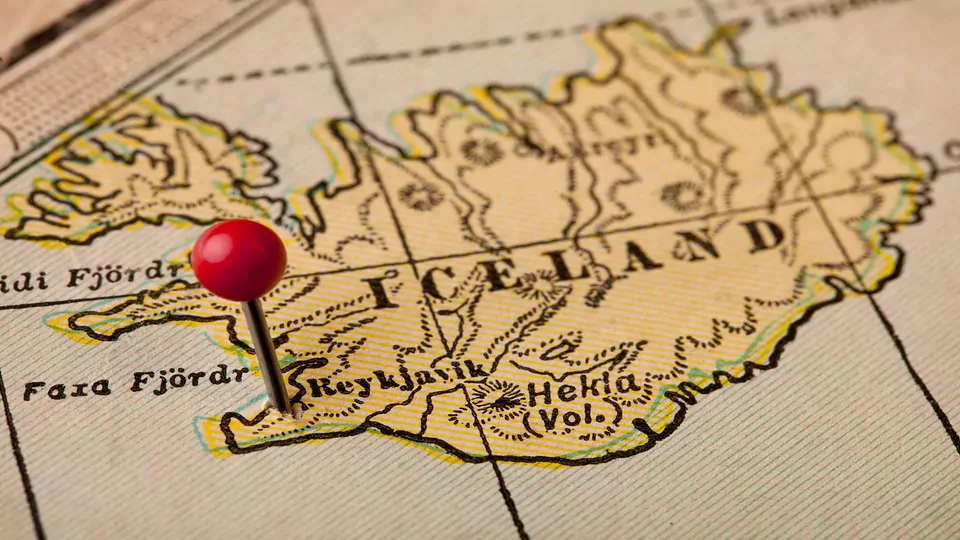
Where in the World is Iceland?
Rachel Horne · September 16, 2021
Nearby Countries
Iceland is closer to than you think. To give you a better understanding of Iceland’s location here is a list of nearby countries:- United Kingdom - 1,362 kilometers away (846 miles)
- Sweden - 1,762 kilometers away (1,094 miles)
- Faroe Islands - 638 kilometers away (396 miles)
- Norway - 1,458 kilometers away (905 miles)
- Greenland - 1,629 kilometers away (1,012 miles)
- New York - 4,355 kilometers away (2,706 miles)
- London - 1,817 kilometers away (1,129 miles)
- Dubai - 6,744 kilometers away (4,190 miles)
- Paris - 2,160 kilometers away (1,342 miles)
- Hong Kong - 9,516 kilometers away (5,913 miles)
How to get to Iceland?
Since Iceland is an island, you can’t drive to it. One of the easiest ways to make it there is to find a flight. Iceland even has its own airline, Icelandair. It is reputable, comfortable, and does its best to offer cheap flights from major airports all over the world. They aren’t the only planes that fly from America, Europe, and the rest of the world to Iceland. It has become a popular pit stop in the Atlantic. Air travel isn’t the only way to get there, although it is the most streamlined. Surrounded by the sea, it is also a medium to enable you to travel there. It also offers a unique travel experience. There are passenger and car ferry boats that sail from Denmark to Seydisfjordur on Iceland’s rocky shores. These trips from Denmark take around two to three nights, depending on the ferry’s schedule and the weather. When you head to Iceland via the sea, it is like you are floating in the footsteps of Iceland’s first settlers. The majority of them came from Norway during 800 and 900 AD. Depending on where in Norway they were leaving from, it would take three to seven days. The seven-day trip is from the West coast of Norway while sailing from the East coast would only take around three days of sailing.Geography
The island is 103.000 square kilometers or 40,000 square miles. To put that into perspective, it is a similar size to Hungary or Portugal in Europe and Kentucky or Virginia in America. Following Great Britain, Iceland is the second-largest island in Europe and the 18th largest in the world. As an island, Iceland has a stunning coastline running around it, 4,970 kilometers. Relative to the rest of the world, Iceland is about a five-hour flight away from New York and only three hours away from London. Iceland is appropriately called the “land of Fire and Ice” because of its deep winters and history of volcanic activity. Many years ago, it came into existence thanks to volcanic occurrences along with the two tectonic plates that form the Mid-Atlantic Rift. The country is slowly splitting apart, with a crevice that increases in size 5 centimeters each year. Due to the volcanic activity that formed it, this ancient island of the Viking lords is one of the youngest landmasses in the world. They still have relatively consistent volcanic activity on the island as well. 2010 saw the eruption of the volcano Eyjafjallajokull, and in 2011, Grimsvotn exploded. The most recent has been the eruption of Holuhraun, with activity continuing from August 2014 to February 2015. This volcanic activity has made historical dating an exciting and unique process in Iceland. Unlike many other places, Icelandic history and timeline have been determined by studying the different ash lines in the earth.Waterfalls
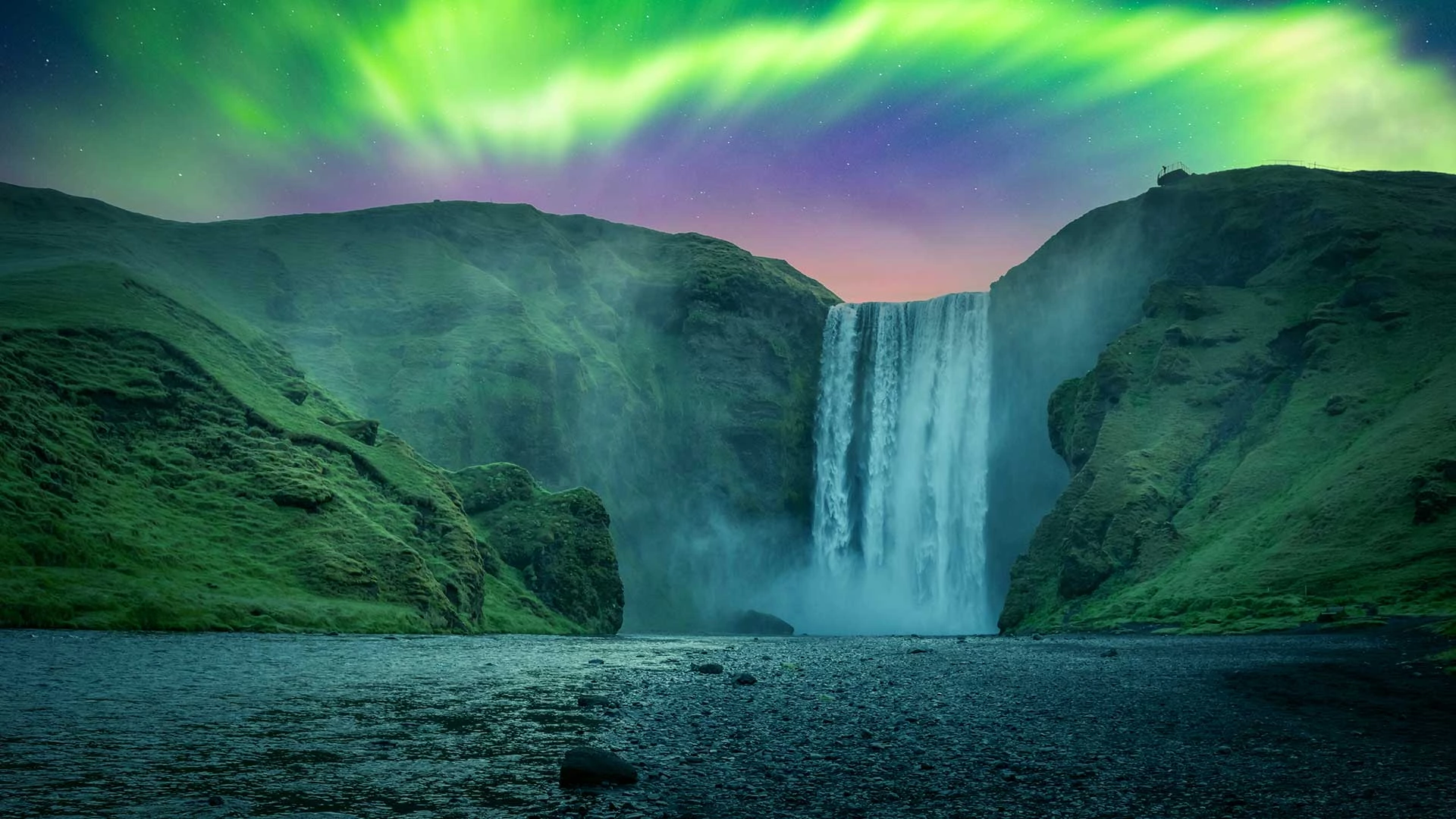 Iceland is considered one of the global hotspots when it comes to viewing gorgeous waterfalls. The most famous waterfalls include:
- Gullfoss
- Skogafoss
- Seljalandsfoss
- Godafoss
- Haifoss
- Aldeyjarfoss
- Dettifoss
- Bruarfoss
Glaciers
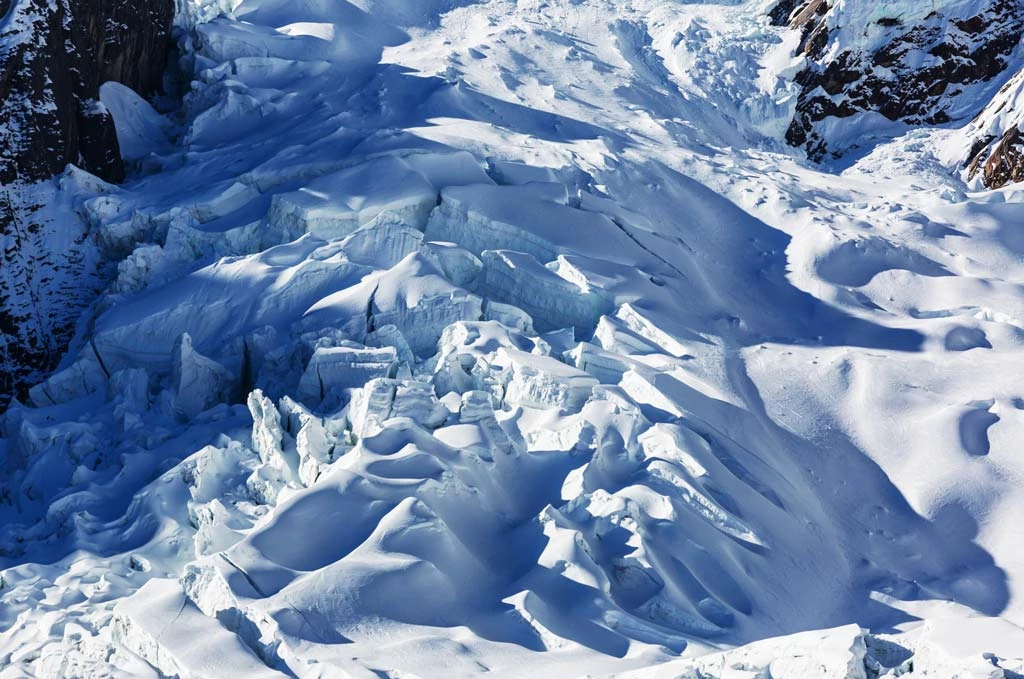 The geography of Iceland has had many players involved in its shaping and its distinctive features. One of these grand manipulators are the glaciers located all around Iceland. Many of the famous hikes in the country involve climbing up these icy monoliths. It is because of the glacial melting that the lakes and rifts in Iceland are filled with pure blue waters. Some of the best glaciers to look into are:
- Vatnajokull
- This glacier also features the highest elevation in Iceland, with a summit peak of 2,119 meters, or 6,952 feet.
- Langjokull
- Myrdalsjokull
- Eyjafjallajokull
- Solheimajokull
Mountains
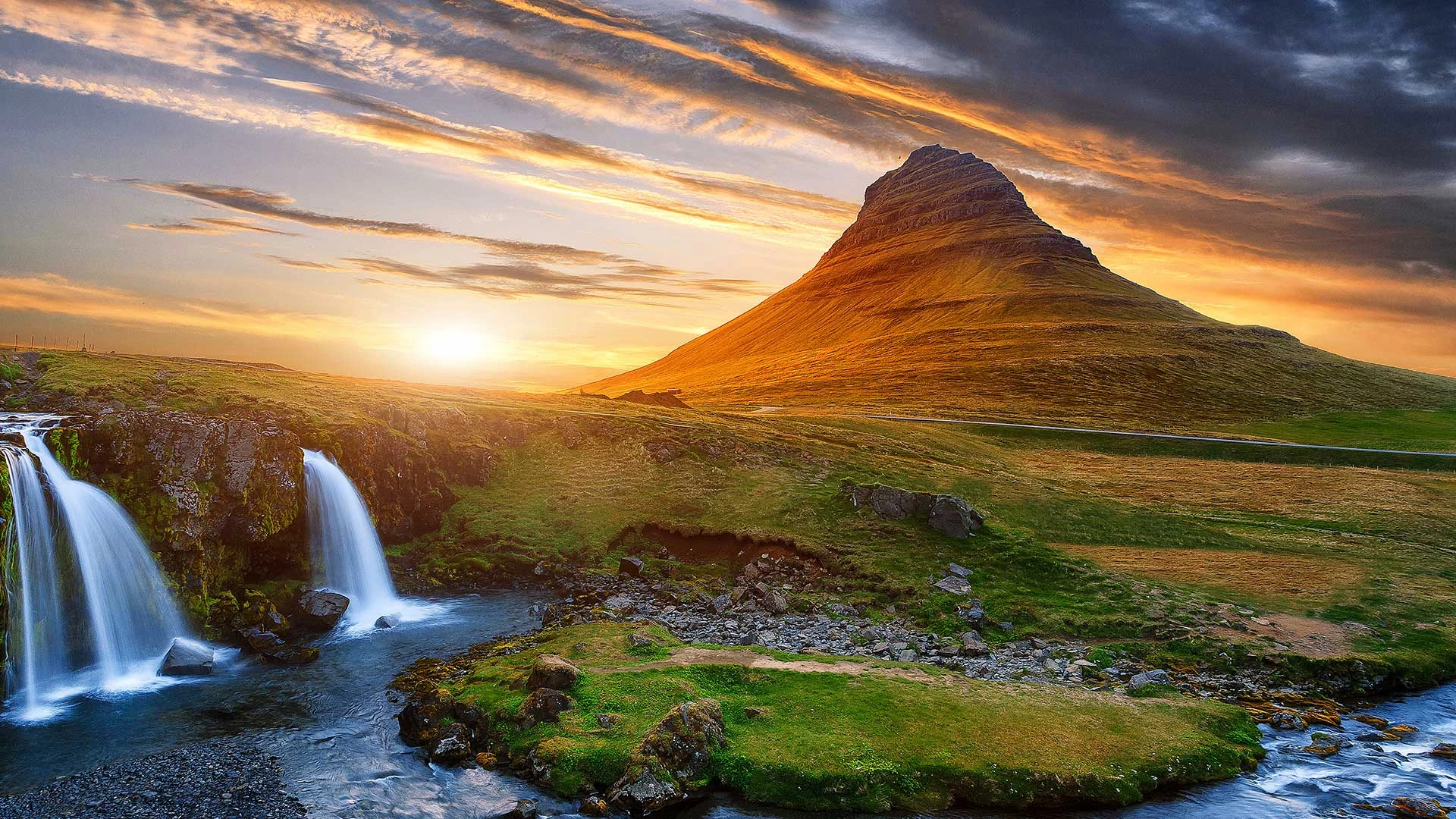 Iceland has its fill of long, carved-out plains, but these are always flanked by peaks rivaled by no other. Hiking over and around these will allow you to get some of the best views in the country. There are even challenges set out in some areas of the country that earn you the title of a Mountain Viking. Arguably, the most spectacular mountains in Iceland are:
- Kirkjufell
- Hekla
- Landmannalaugar (more of a mountainous region)
- Hvannadalshnukur
- Snaefellsnesjokull
- Keilir
Weather
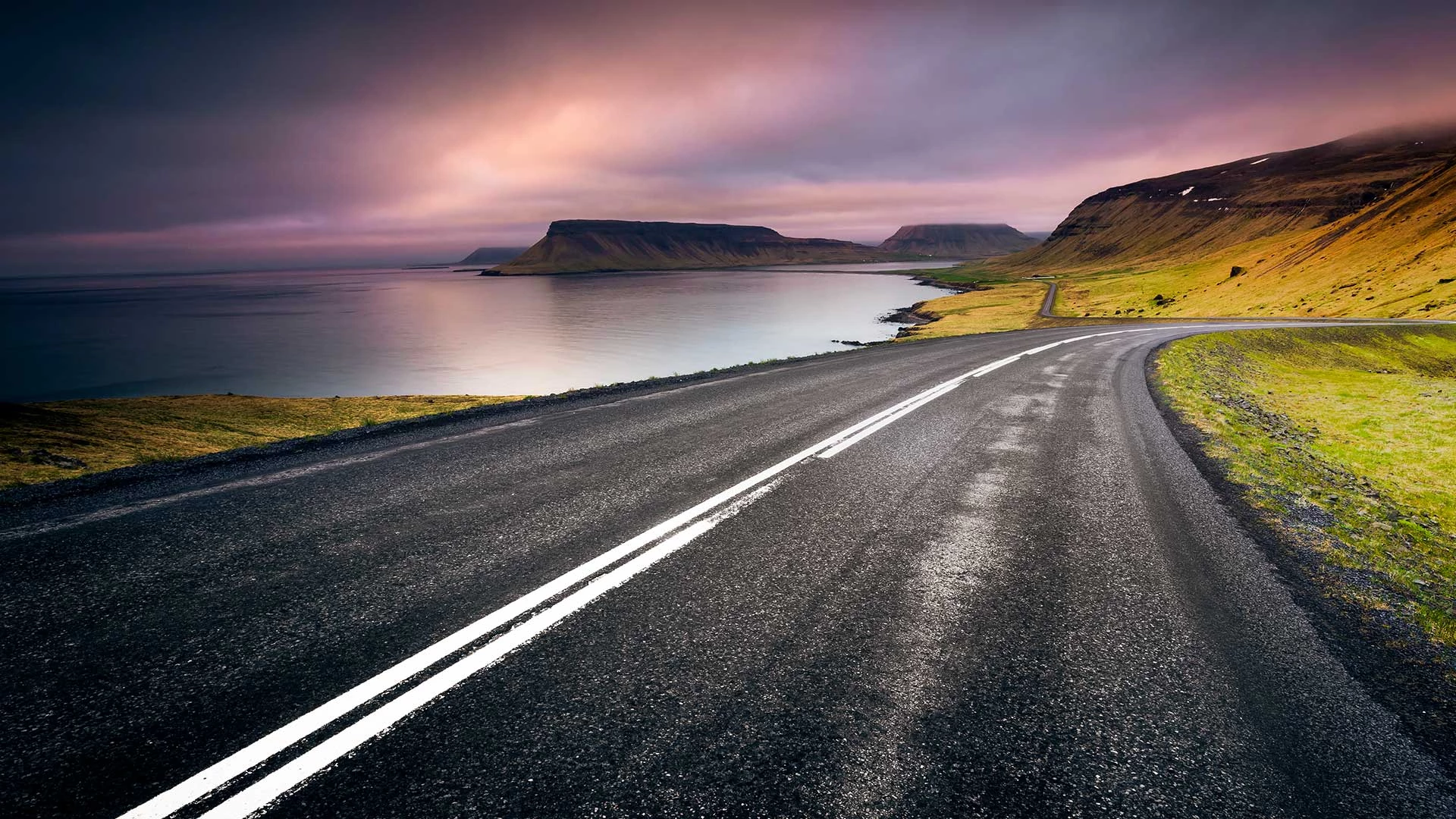 Iceland has unpredictable weather patterns, no matter what time of year you come to visit. However, even with the changeable weather, it still maintains mild temperatures throughout the entire year. Most of this temperate behavior is because of Iceland’s placement near the Arctic Circle but still in line with the Gulf. Throughout the year, tourists and locals experience the forces of the cold North rushing over the plains and glaciers and the Gulf's swirling warmth coming up on the Northern and Eastern shores.
On average, in the summer, the temperature around Reykjavik is around 10.6 degrees Celsius, or 51 degrees Fahrenheit with the highs reaching up to 24.3 degrees Celsius, or 76 degrees Fahrenheit.
In the winter, the average temperature doesn’t extend too far below freezing. Around the Reykjavik area, it is typically around 0 degrees Celsius or 32 degrees Fahrenheit. The highs tend to be 9.9 degrees Celsius, or 50 degrees Fahrenheit. Since Reykjavik is the bottom corner of the country, be aware that the Northern reach of the country can dip even lower.
The weather during the winter can quickly change from sunny and brilliant to dark due to an oncoming snowstorm. When the warm and cold air collides over Iceland, they bring incredible storms that are very dangerous to be caught up in.
When trying to be prepared and pack appropriately for Iceland, take plenty of items that are windproof and waterproof. Often, umbrellas are useless in this country unless they are very windproof since the wind can whip across the whole land.
Iceland has unpredictable weather patterns, no matter what time of year you come to visit. However, even with the changeable weather, it still maintains mild temperatures throughout the entire year. Most of this temperate behavior is because of Iceland’s placement near the Arctic Circle but still in line with the Gulf. Throughout the year, tourists and locals experience the forces of the cold North rushing over the plains and glaciers and the Gulf's swirling warmth coming up on the Northern and Eastern shores.
On average, in the summer, the temperature around Reykjavik is around 10.6 degrees Celsius, or 51 degrees Fahrenheit with the highs reaching up to 24.3 degrees Celsius, or 76 degrees Fahrenheit.
In the winter, the average temperature doesn’t extend too far below freezing. Around the Reykjavik area, it is typically around 0 degrees Celsius or 32 degrees Fahrenheit. The highs tend to be 9.9 degrees Celsius, or 50 degrees Fahrenheit. Since Reykjavik is the bottom corner of the country, be aware that the Northern reach of the country can dip even lower.
The weather during the winter can quickly change from sunny and brilliant to dark due to an oncoming snowstorm. When the warm and cold air collides over Iceland, they bring incredible storms that are very dangerous to be caught up in.
When trying to be prepared and pack appropriately for Iceland, take plenty of items that are windproof and waterproof. Often, umbrellas are useless in this country unless they are very windproof since the wind can whip across the whole land.
The Midnight Sun
Another characteristic to consider this unique country is that it is among those experiencing the midnight sun during the summer, and seemingly eternal nights during the winter. In December and January, the daylight lasts for a maximum of 5 hours, gliding across the horizon in a low-hanging arc. During the longest days in July, the day never ceases, hence the naming of the midnight sun. The sun does set at some point, but never far enough for daylight to completely ease. If you decide to travel to Iceland in the summer, pack a sleeping mask!Icelandic Culture
Iceland was settled around 840 AD by Vikings coming from Norway. They were mostly wealthy and proud people that rejected the actions of their current king. They brought them all of this wealth, servants, slaves, and horses, quickly populating the shores of Iceland. Due to their isolation from the rest of the world, their language has developed into a unique tongue, Icelandic. It has many sounds and features similar to other Nordic languages. The country is the site of the longest-lasting parliament, the Althingi. It was established by the Vikings to prevent the separate clans from warring and destroying each other. Other than a short break during the occupation of the Danish monarchy, the Althingi has lasted from 930 AD and continues to be the ruling parliament today. So, what are you waiting for? Come and see for yourself where Iceland is located!Keep reading
Why Self Drive In Iceland?
There are so many benefits to self-driving in Iceland. You’ll be able to take things at your own pace, and you’ll have f...
How long are flights to Iceland?
You can get to Iceland by plane or ferry. But a word of warning. The ferry from Denmark takes between 2 and 3 days to ar...

13 Bars and Clubs to Check Out In Reykjavik
Reykjavik comes alive at night. At the weekend, some of the clubs will stay open until 5:30 am, with people dancing righ...
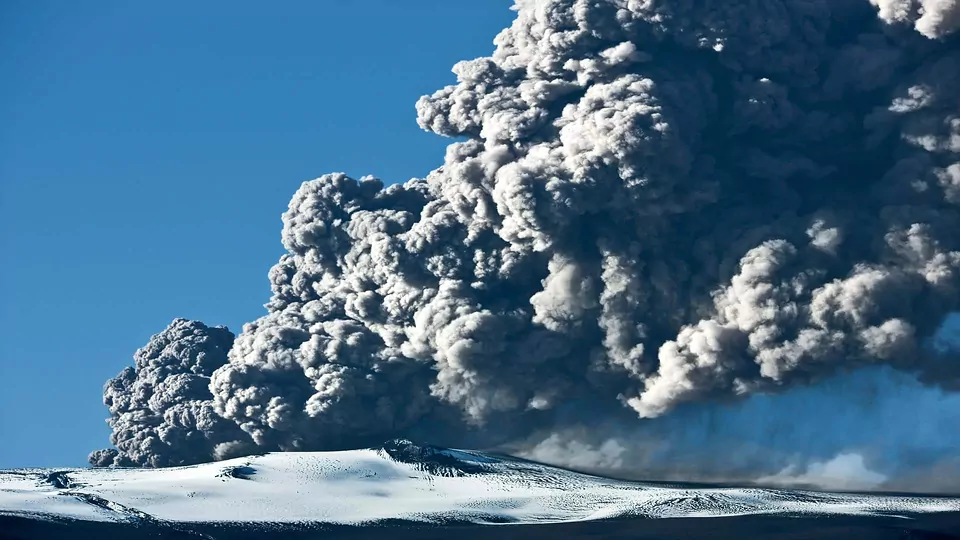
7 important eruptions in Iceland
Volcanoes have shaped Iceland’s landscapes for at least 16,000,000 years! The hexagonal cliffs, black sand beaches, and...
Step inside a journey
Guided audio journeys across Iceland — every stop mapped, narrated and ready to drive.
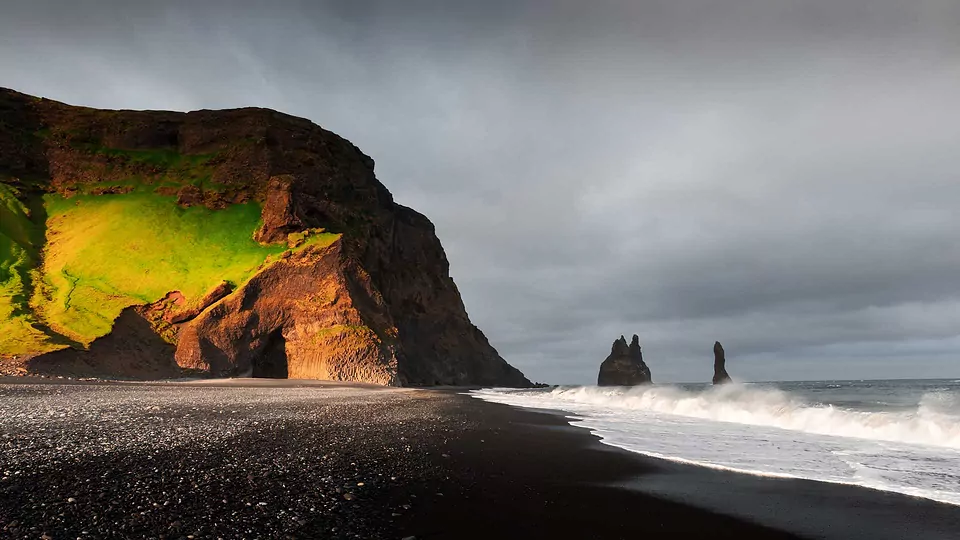
7 stops
South Coast: Waterfalls and Black Sands
Follow Iceland’s best-known south coast landscapes, from powerful waterfalls to black sand beaches and sea cliffs.
Start journey →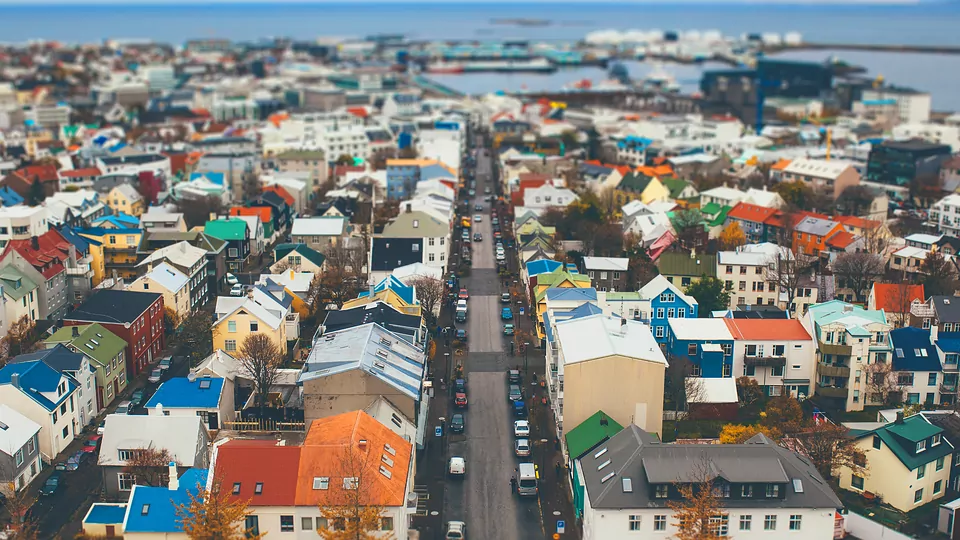
8 stops
Reykjavík: City by the Sea
Get to know Iceland’s capital through its landmarks, waterfront, culture, and everyday city atmosphere.d
Start journey →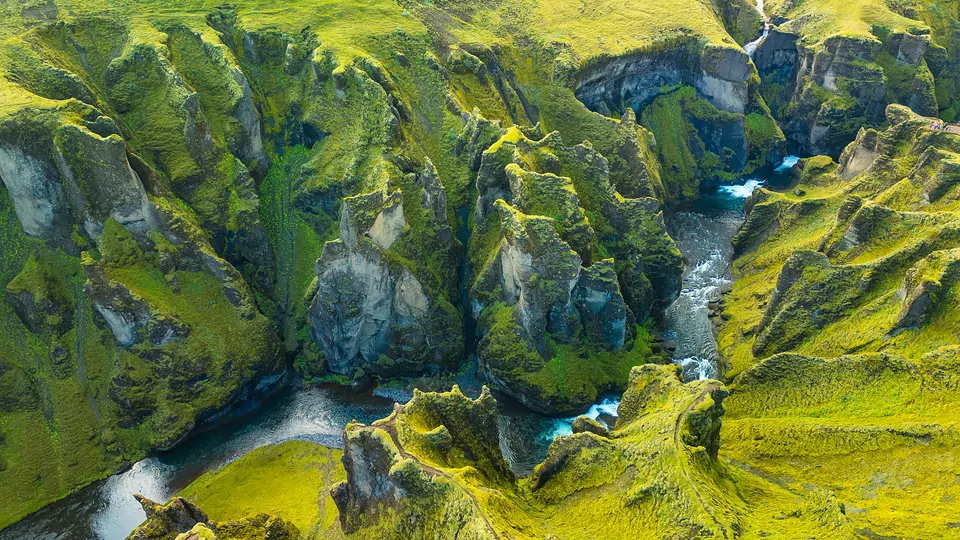
7 stops
South Iceland: Hidden Stops and Scenic Detours
Go beyond the classics with quieter stops, canyon views, and lesser-known corners of the south.
Start journey →