Kvernufoss: A secluded 30-meter waterfall inside the Kvernugil canyon
Kvernufoss
Weather
Local Time
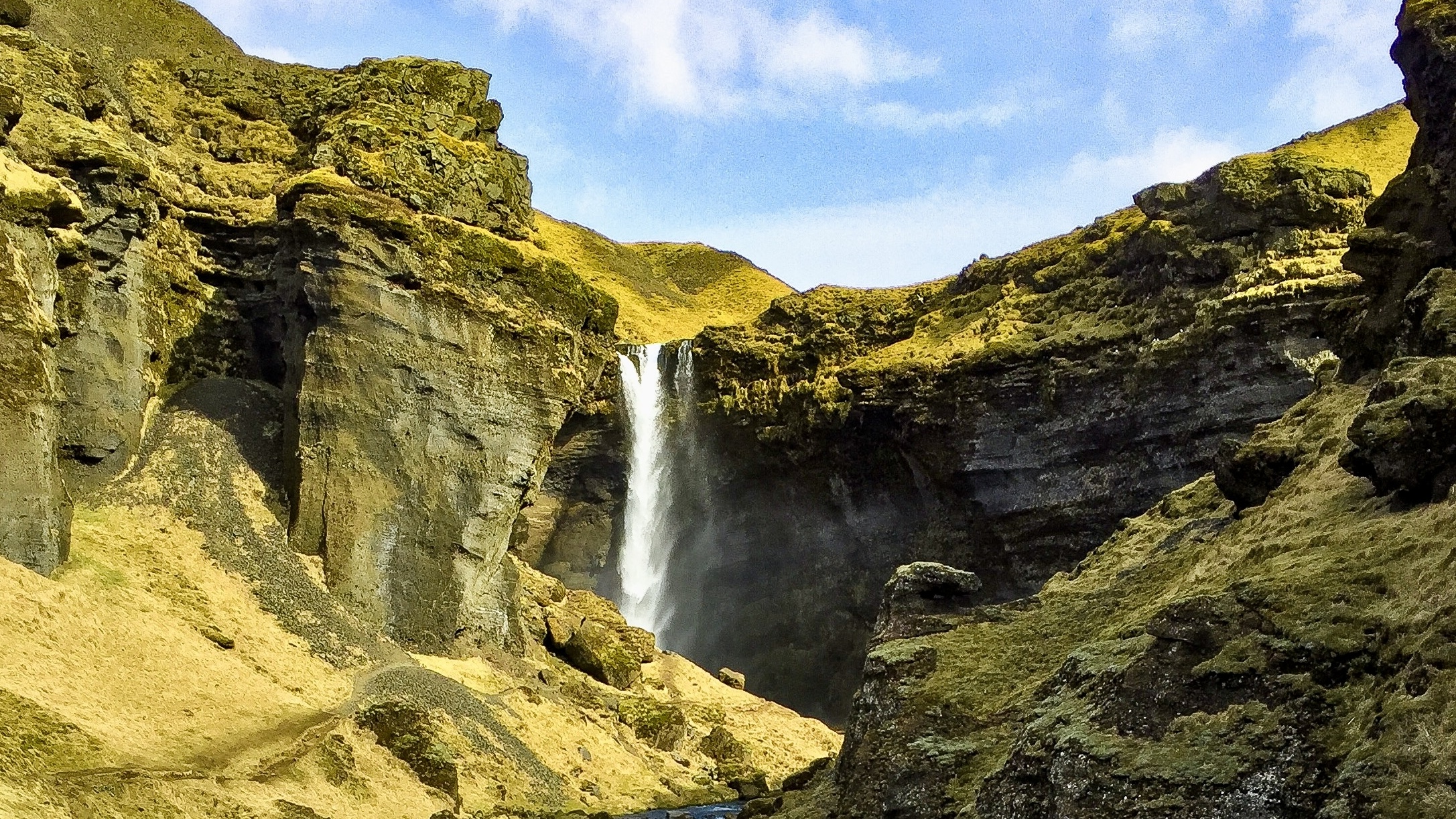
Located just east of Skogafoss, Kvernufoss provides an intimate experience within a moss-covered palagonite gorge, featuring a path that leads directly behind the falling water.
Kvernufoss is often described as the "hidden neighbor" of the mighty Skógafoss, one of Iceland’s most iconic landmarks. While thousands of visitors flock to the towering white curtain of Skógafoss every day, only a small fraction venture just a few hundred meters to the east to discover Kvernufoss. This 30-meter-tall waterfall is tucked away in a verdant, horseshoe-shaped gorge, offering a sense of tranquility, mystery, and raw beauty that its more famous neighbor sometimes loses to the crowds. To visit Kvernufoss is to experience the South Coast of Iceland as it was decades ago: quiet, atmospheric, and profoundly moving.
The Geography of a Hidden Gem
Kvernufoss is fed by the Kverná River, a relatively small but steady stream that originates from the southern slopes of the Eyjafjallajökull volcanic glacier. The waterfall is situated in a box canyon carved out of palagonite—a type of tuff rock formed by subglacial volcanic eruptions.
The falls drop approximately 30 meters (98 feet) over a sharp, overhanging cliff. Because of the way the rock has eroded beneath the ledge, Kvernufoss—like Seljalandsfoss—allows visitors to walk entirely behind the falling water. However, the experience here is much more intimate. The canyon walls are draped in thick, neon-green moss and inhabited by nesting fulmars, creating a natural amphitheater that amplifies the roar of the water and traps the cool, glacial mist.
The Journey: The Walk into the Gorge
The approach to Kvernufoss is part of its charm. To find it, one must park at the Skógar Museum and follow a narrow path that leads away from the main tourist hub. The trail winds through a flat meadow, passes an old rusting ladder-stile, and enters the mouth of the Kvernugil gorge.
As you walk deeper into the canyon, the towering 60-meter falls of Skógafoss disappear behind the hills, and the sound of the wind is replaced by the gentle babbling of the Kverná River. The path follows the river upstream, hugging the cliffside. The moment Kvernufoss comes into view is always a surprise; the canyon takes a sharp turn, revealing the vertical column of water crashing into a dark, shallow pool. Because the gorge is narrow, the waterfall feels much taller and more powerful than its measurements suggest.
Walking Behind the Veil
The highlight of any visit to Kvernufoss is the path that leads behind the waterfall. The trail is narrow and can be slippery, composed of wet earth and loose stones, but it is accessible to most hikers with decent footwear.
Standing behind the "curtain" of Kvernufoss is a sensory-rich experience. Unlike the wide, flat cave behind Seljalandsfoss, the space behind Kvernufoss is jagged and cave-like. Looking out through the water, the green walls of the gorge act as a frame, creating a "window" into a prehistoric world. In the winter, the overhanging cliffs are often decorated with massive, blue-tinted icicles, and the spray from the falls coats the rocks in a treacherous but beautiful glaze of ice.
Folklore and the Spirits of the Gorge
Icelandic nature is rarely just a geological feature; it is almost always a residence. Kvernufoss and its surrounding gorge are deeply linked to the folklore of the Huldufólk (Hidden People). Local legends suggest that the canyon is a protected area, a place where these beings find peace away from the activity of the nearby Skógar settlement.
Early settlers believed that the mist of the waterfall could hide the "hidden dwellings" of the trolls and elves. There is an old story of a local farmer who, while searching for lost sheep in the gorge, heard ethereal music echoing from behind the falls. Whether one believes in the folklore or not, the atmosphere inside the canyon—shielded from the wind and the modern world—makes it easy to understand why the Icelanders of old saw magic in these shadows.
Photography: A Masterclass in Composition
Kvernufoss is a favorite for professional landscape photographers because of its perfect "framing." The narrow gorge provides natural leading lines that draw the eye directly to the waterfall.
The Light: Because the canyon is deep, it is often in shadow. This is actually a benefit for photography, as it creates soft, even lighting that brings out the deep greens of the moss and the silky texture of the water during long-exposure shots.
The "Secret" Angle: Many photographers prefer to shoot from halfway up the slope on the right side of the falls. From this elevation, you can capture the waterfall, the path leading behind it, and the river winding out toward the sea all in one frame.
Practical Information for Visitors
Despite being "hidden," Kvernufoss is very easy to reach if you know where to look.
Location: It is located right next to the Skógar Museum. Most visitors park at the museum (note that there is a small parking fee) and walk the 15-20 minutes to the falls.
Safety: The path behind the falls is wet and spray-heavy. Waterproof clothing is essential if you plan to go behind the water. In winter, crampons or microspikes are mandatory, as the mist turns the entire canyon floor into a skating rink.
Respect the Land: The land around Kvernufoss is part of a private farm, though the owners allow public access. It is vital to stay on the marked path and not trample the sensitive moss, which takes decades to recover from a single footstep.
Why Kvernufoss is Essential
In the modern era of Icelandic tourism, many of the most famous sites can feel like a "checkbox" on a list—arriving by bus, taking a photo, and moving on. Kvernufoss demands something different. It requires a short walk, a bit of curiosity, and a willingness to step into the quiet.
It serves as the perfect counterpoint to Skógafoss. While Skógafoss represents the overwhelming, epic power of the Icelandic landscape, Kvernufoss represents its secret, delicate beauty. It is a place for reflection, where you can sit on a rock at the edge of the river and feel, for a moment, like the only person on the island. It is the "Hidden South" at its very best.
Is in a small canyon 1.5 km to the east of Skógafoss. A hiking path leads up to it from the car park of the museum at Skógar. We recommend checking out the museum along the way, where you can learn about the history of the area and how people traversed the glacial rivers before they were bridged. Find information about more geosites in Katla UNESCO Global Geopark at www.katlageopark.com
Where to go next
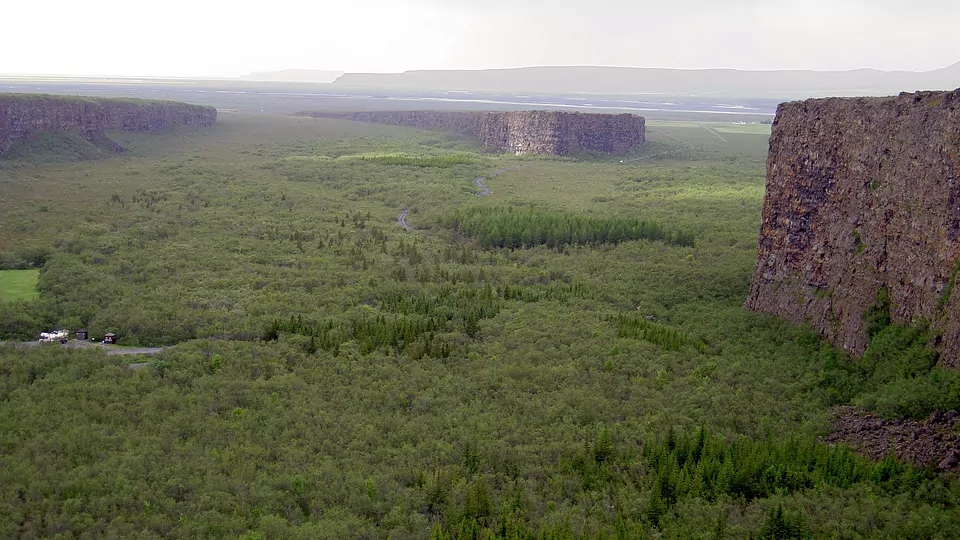
Next: Asbyrgi — narrated, and free to walk into.