Haifoss: The high fall of the Thjorsardalur valley
Haifoss
Weather
Local Time
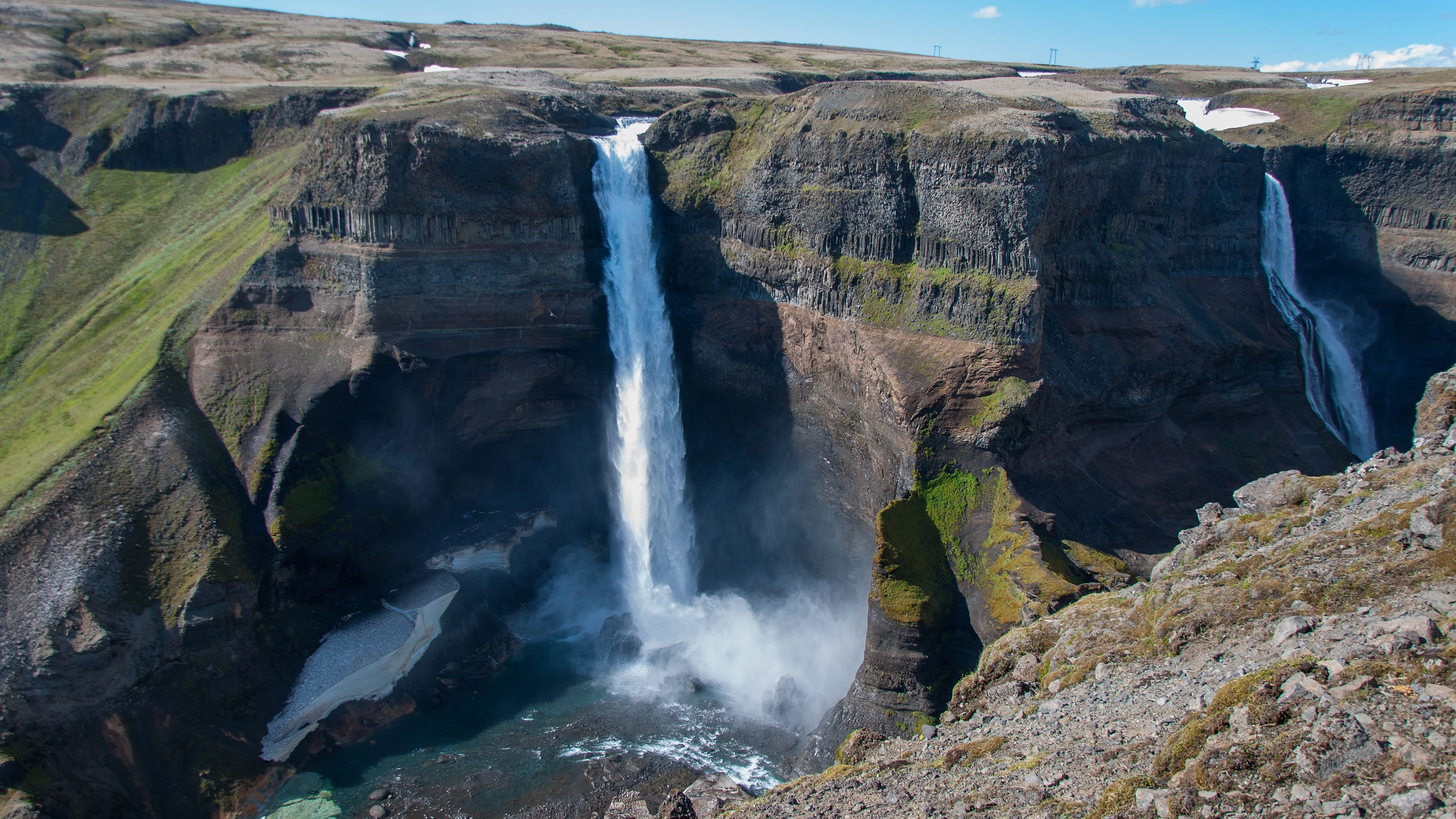
Dropping 122 meters into a deep volcanic canyon, Haifoss and its neighbor Granni offer a powerful display of water and stone in the remote southern highlands.
Welcome to Háifoss Waterfall, where stunning landscapes come alive and natural beauty meets adventure. This breathtaking site is perfect for those seeking to indulge their senses in Iceland's diverse nature.
As one of Iceland’s tallest waterfalls, Háifoss offers a captivating spectacle that you won’t want to miss. Keep reading to learn why this is a key stop for nature lovers visiting this remarkable island.
An Introduction to Háifoss Waterfall
Located in the Þjórsárdalur valley, Háifoss plunges an impressive 122 meters into a steep gorge, creating a mesmerizing display of nature's power. The name 'Háifoss' translates to "high waterfall" in Icelandic, aptly describing its awe-inspiring height.
The waterfall is fed by the river Fossá, which flows down the rocky slopes and contributes to the picturesque views around. The surrounding landscape is not only stunning but also varies greatly, featuring rugged hills, lush greenery, and unique geological formations, providing ample photo opportunities for visitors.
Getting There: A Journey to Remember
Reaching Háifoss requires some adventurous spirit but is well worth the effort. The waterfall is approximately 140 kilometers from Reykjavík, making it a fantastic day trip. Here are some travel tips:
- Rent a car for the flexibility to explore at your pace.
- Opt for a 4x4 vehicle, especially if you choose to traverse the highland roads.
- Follow the signs to the Þjórsárdalur area, where well-marked paths lead to the waterfall.
The trail to Háifoss is relatively easy and takes about 30 minutes of walking, providing breathtaking views along the way. Be sure to wear sturdy shoes as the rocky paths can be uneven.
Flora and Fauna: Nature's Sanctuary
Háifoss is not just known for its height; the area around it is rich in biodiversity. The lush vegetation and the river create a habitat for various birds and wildlife. As you explore the area, you might spot:
- Common eiders
- Arctic terns
- Various species of ducks
The unique ecosystems foster an array of plants, making it an excellent spot for anyone interested in botany as well.
Visitors' Experiences: Stories to Share
Visitors to Háifoss have often described their time spent at the waterfall as unforgettable. Many embark on photography missions, trying to capture the waterfall’s beauty amidst stunning landscapes; others enjoy a moment of peace, away from the hustle and bustle of everyday life.
One traveler noted, "Standing at the edge of the gorge, I felt the mist from the waterfall on my face as I took in the sheer scale of nature. It outperformed every photograph I had seen!" Stories like this are common, illustrating the profound impact Háifoss has on its visitors.
Safety Considerations: Enjoying the View Responsibly
While the beauty of Háifoss is breathtaking, safety should always come first. Here are practical tips to ensure a safe visit:
- Stay a safe distance from the edge of the gorge to avoid accidental slips.
- Be aware of changing weather conditions; it can become slippery after rainfall.
- Respect nature by sticking to marked paths and not disturbing the local wildlife.
Final Thoughts: Embrace the Adventure at Háifoss
In summary, Háifoss Waterfall is more than just a natural wonder; it's an experience that resonates in the heart of every visitor. With its towering height, rich biodiversity, and majestic scenery, it captures the spirit of Iceland's wild beauty.
Add Háifoss to your travel itinerary and explore this awe-inspiring waterfall for yourself. Dive into nature, capture the stunning vistas, and immerse yourself in the serene atmosphere that only Iceland can offer. Explore further and discover the incredible sites beyond Háifoss waiting for your arrival.
„Fossá fellur fram af hálendisbrúninni í þröngum dal, Fossársdal, innst í Þjórsárdal. Vatnið er yfirborðsvatn og lindarvatn og rennslið að meðaltali um 7 rúmmetrar (eða tonn) á sekúndu. Áin steypist ofan mikilfenglega hamra í tveimur fossum. Sá stærri var lengst af nafnlaus en jarðfræðingurinn Helgi Pjeturs nefndi hann Háafoss árið 1912. Fallhæðin er 122 metrar og er fossinn sá næst hæsti í landinu (á eftir Glym í Hvalfirði). Jarðlögin við fossana, nálægt 2 milljón ára gömul, eru úr þykkum hraunum að ofan en undir þeim ber mest á gosbergi undan ísaldarjöklum, svonefndu móbergi.“ Vegur liggur að palli við fossagljúfrið en þaðan er einstakt útsýni. (1) Skráðar athugasemdir: Staðurinn er viðkvæmur. Útsýnisstaður að traðkast út en hægt að bæta þar úr með einföldum aðgerðum. Laga þarf gönguleið sem liggur frá bílastæði og niður í gljúfur fossins. Hún er mjög brött á köflum og úrrennsli byrjað í gróinni brekku. (2)
The waterfall Háifoss is situated near the volcano Hekla in the south of Iceland. The river Fossá, a tributary of Þjórsá, drops here from a height of 122 m. This is the third-highest waterfall on the island. For a long time, the waterfall had no name, but in 1912 Dr. Helgi Pétursson, a geologist, came and named him. From the historical farm Stöng, destroyed by a volcanic eruption of Hekla in the Middle Ages and reconstructed, it is possible to hike to the waterfall along the Fossá (6km each way). Above the waterfall, there is also a parking lot, so the hiking can also be done in the other direction.
Where to go next
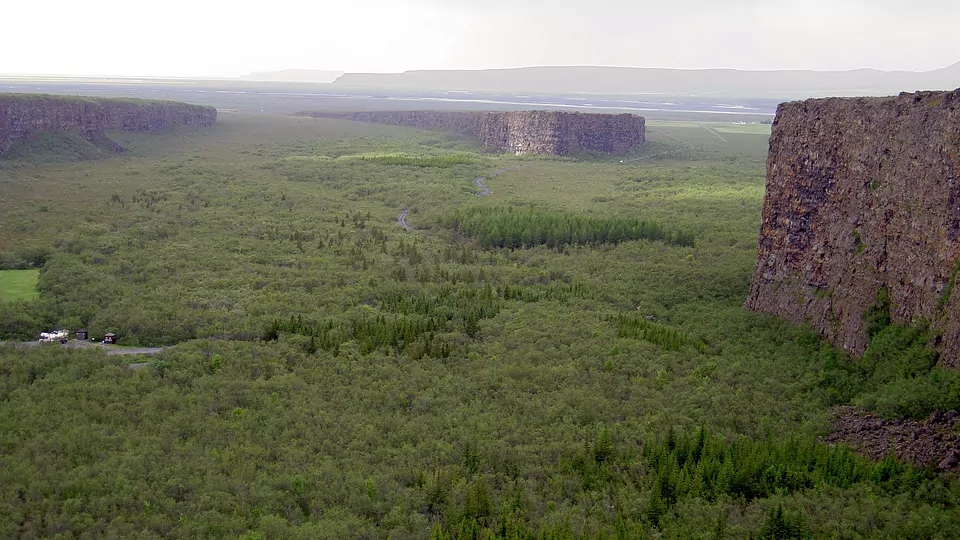
Next: Asbyrgi — 382 km, 414 minutes from Haifoss, narrated.
Step inside a journey
Guided audio journeys across Iceland — every stop mapped, narrated and ready to drive.
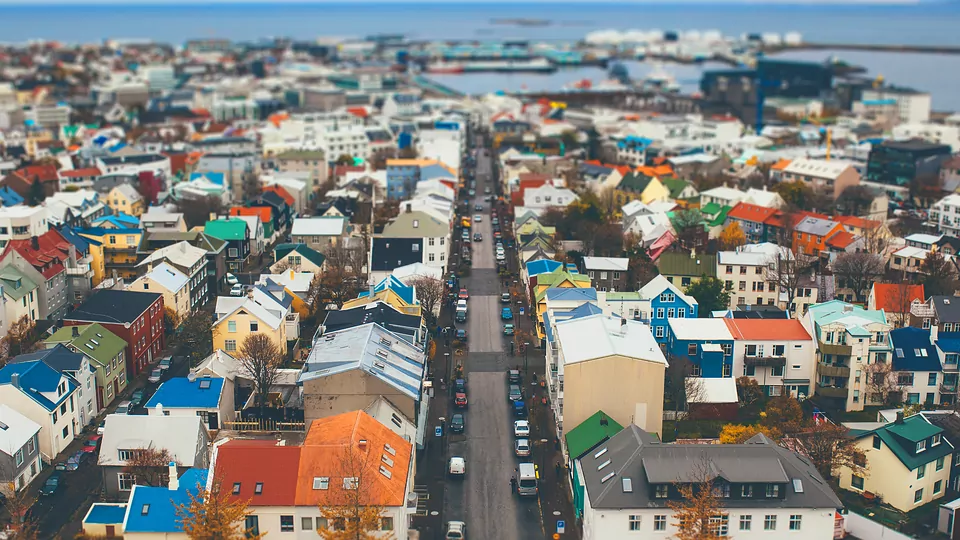
8 stops
Reykjavík: City by the Sea
Get to know Iceland’s capital through its landmarks, waterfront, culture, and everyday city atmosphere.d
Start journey →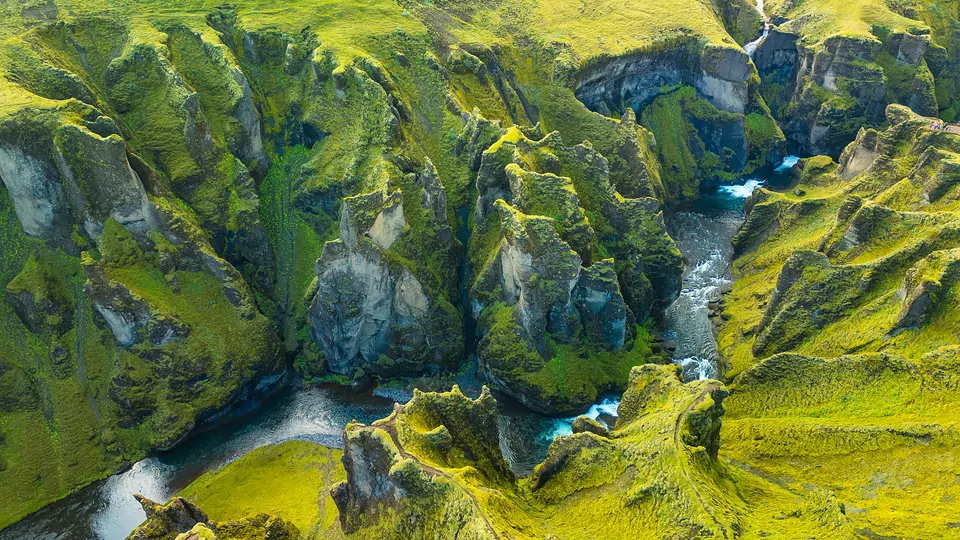
7 stops
South Iceland: Hidden Stops and Scenic Detours
Go beyond the classics with quieter stops, canyon views, and lesser-known corners of the south.
Start journey →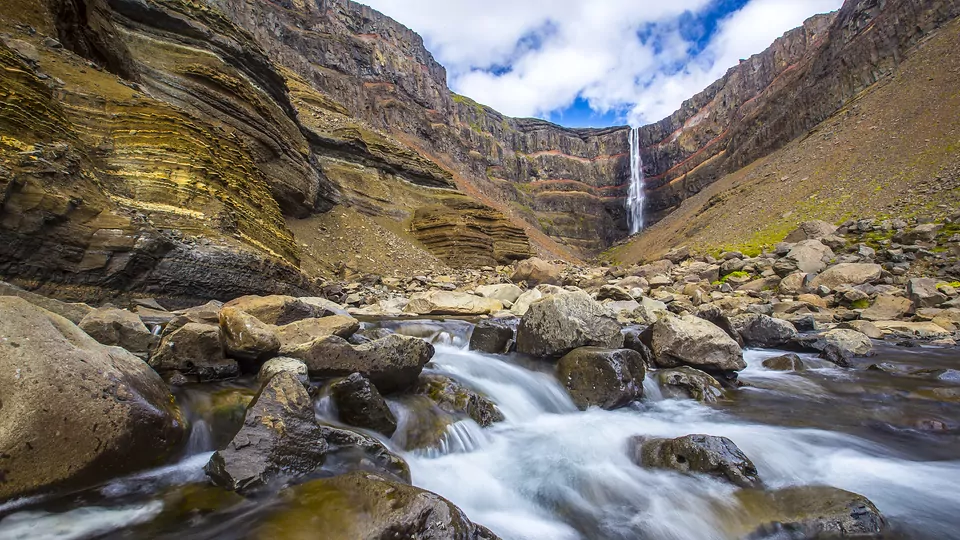
8 stops
East Iceland and the Eastfjords
Explore Iceland’s quieter east through fjords, small towns, basalt canyons, forests, and mountain-backed coastlines.
Start journey →