Diamond Beach: A Guide to the Glacial Ice of Breidamerkursandur
Diamond Beach
Weather
Local Time
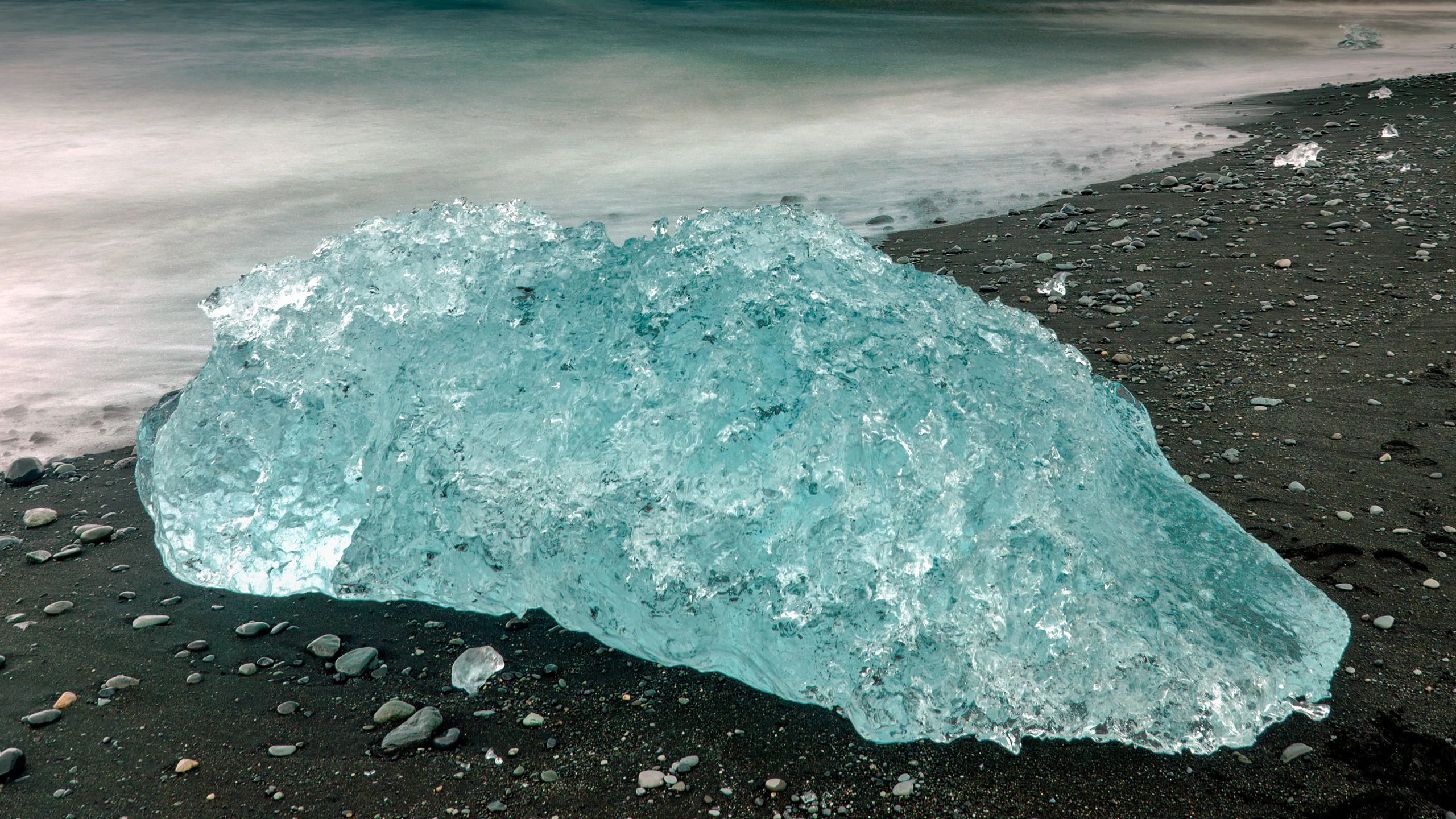
A practical guide to visiting Diamond Beach on Iceland's South Coast, focusing on the mechanics of the ice, safety logistics, and managing expectations for this shifting landscape.
The Diamond Circle can be described as a magnificent circuit of 250km in the Northeast of Iceland, which includes some of the most stunning sights and spots for unearthly landscapes. The Diamond Circle has 5 key destinations which include Goðafoss waterfall, Lake Mývatn, Dettifoss waterfall, Ásbyrgi canyon and Húsavík.
Diamond Beach, officially known as Breiðamerkursandur (or Fellsfjara to locals), is a striking stretch of black volcanic sand on Iceland's South Coast. It sits directly across from the Jökulsárlón Glacier Lagoon, where massive icebergs calve from the Breiðamerkurjökull glacier and eventually wash ashore, creating a landscape that looks like a field of giant, glistening diamonds.
Guide to Iceland
Guide to Iceland
+5
What People Often Comment About
Travelers and photographers frequently highlight the unreal visual contrast between the crystal-clear ice and the jet-black sand. Most comments focus on:
Glacier Guides
Glacier Guides
+1
The Colors of the Ice: Visitors often marvel at the vibrant blues and stark whites of the icebergs. The deep blue color signifies old, highly compressed ice without air pockets, while white ice typically contains trapped air.
The "Diamond" Aesthetic: Under the soft light of sunrise or sunset, the ice fragments catch the sun like gemstones, a phenomenon that has made it one of the most photographed spots in the world.
Seals and Wildlife: It is common for visitors to spot harbor seals playing in the surf or resting on the floating ice.
The "Instagram vs. Reality" Factor: While often called "magical," some visitors note that the amount of ice on the beach varies wildly; some days it is flooded with "diamonds," while on others, only a few small pieces remain.
TikTok
TikTok
+8
What is True, But Not Often Mentioned
Beyond the postcard views, there are several factual aspects of the beach that are often overlooked or misunderstood by the general public:
1. Locals Often Dislike the Name
While "Diamond Beach" is a catchy marketing term that has gained global recognition, it is a relatively new nickname. Many locals and Icelandic guides find the name somewhat "silly" or a misnomer, preferring the original geographical name Breiðamerkursandur or Fellsfjara. The original name refers to the broad "sandur" (glacial outwash plain) and the nearby mountain.
Facebook
Facebook
+2
2. It is an "Accidental" Attraction
Diamond Beach is a byproduct of a retreating glacier. Before the 1930s, the Breiðamerkurjökull glacier reached almost all the way to the ocean, and the lagoon did not exist. As the glacier began to retreat due to warming temperatures, the lagoon formed, creating the path for icebergs to eventually reach the shore. Thus, the "diamonds" we see today are a beautiful but stark indicator of rapid environmental change.
Guide to Iceland
Guide to Iceland
+2
3. The Ice is Ancient History
The ice fragments washing ashore are often hundreds to thousands of years old. The black stripes sometimes seen inside the ice are actually volcanic ash layers from ancient eruptions, trapped like a timeline within the frozen water.
Glacier Guides
Glacier Guides
+2
4. The Water Temperature and "Sneaker Waves"
A surprising fact for many is how dangerous the shoreline can be. Unlike many beaches where you can paddle, the water at Diamond Beach averages 10°C (50°F) in summer and is much colder in winter. More critically, it is prone to sneaker waves—powerful waves that appear without warning and can pull people out to sea. Climbing on the icebergs is strictly forbidden by local authorities because they are incredibly unstable and can flip or drift away with a person on them.
Guide to Iceland
Guide to Iceland
+5
5. It is a Prime Orca Spotting Location
While seals are the most common wildlife, Diamond Beach is actually one of the better shore-based locations in Iceland for spotting orca whales (killer whales), which occasionally swim very close to the surf.
Glacier Guides
Glacier Guides
+1
Practical Information
Distance: Located approximately 370 km (230 miles) from Reykjavík, roughly a 5-6 hour drive along the Ring Road.
Parking: There are parking lots on both sides of the bridge over the Jökulsá river, making the beach very accessible.
Best Time to Visit: The beach is accessible year-round. Summer offers 24-hour daylight for exploring, while winter provides the chance to see the Northern Lights reflecting off the ice chunks
Where to go next
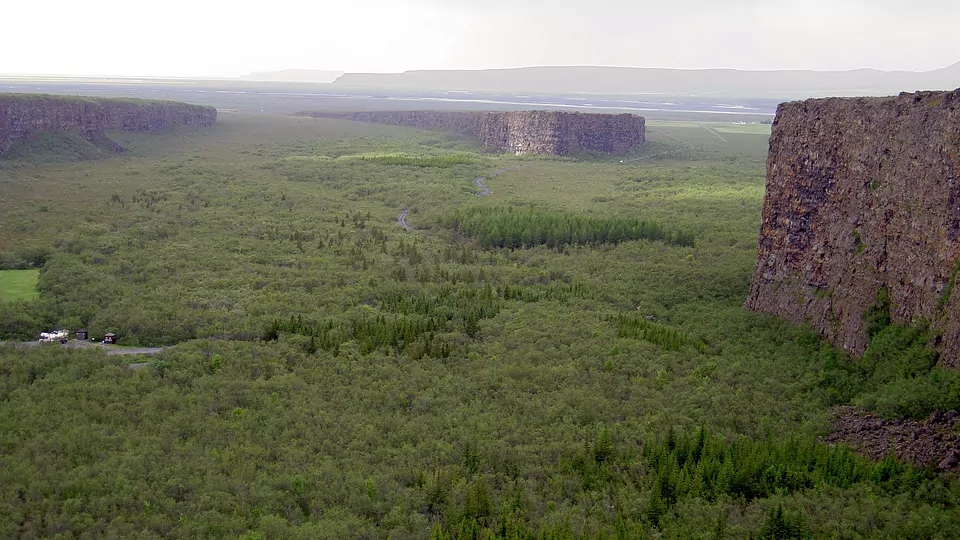
Next: Asbyrgi — narrated, and free to walk into.