Siglufjörður: A historic fishing hub turned cultural destination in North Iceland
Siglufjörður
Weather
Local Time
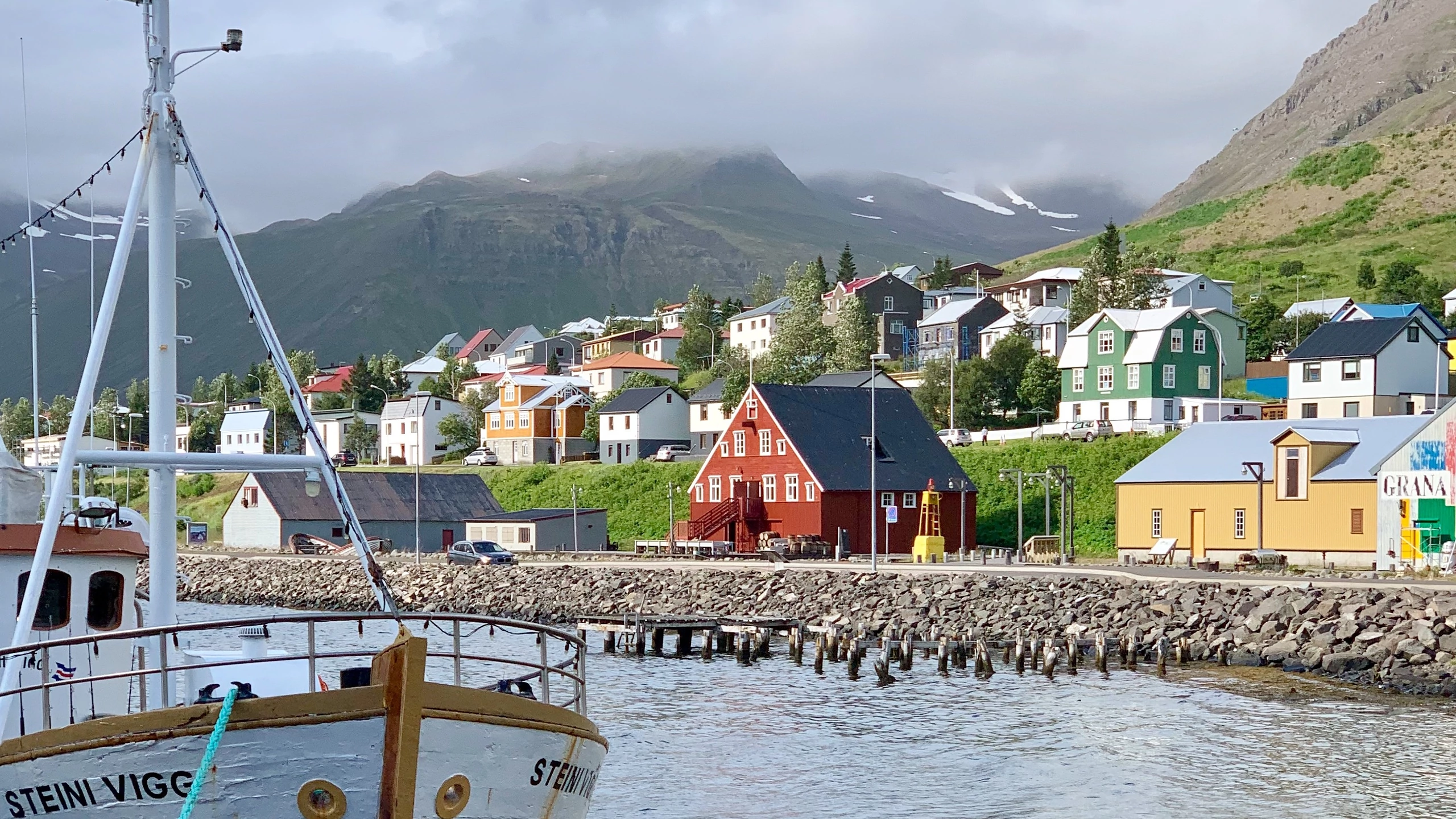
Once the herring capital of the North Atlantic, Siglufjörður is now a refined cultural outpost known for its industrial history, steep fjord landscapes, and world-class museums.
Siglufjörður is Iceland’s northernmost town and is a historic fishing town whose fame, and fortune has always been linked to the ebb and flow of the fishing industry. A tiny shark fishing village in 1900, Siglufjörður soon became one of the largest towns in Iceland and the undisputed capital of herring fishing in the Atlantic. Siglufjörður is an area of spectacular natural beauty. The mountains and the fjords are awe-inspiring and the opportunities for outdoor activities and recreation are almost inexhaustible. The closeness to nature is always within reach, whether you wish to go on a hike, play golf, try ocean swimming or go skiing. In Siglufjörður there is a flourishing cultural life. There are several restaurants, there are also numerous galleries and workshops, museums and our local church in Siglufjörður. Siglufjörður has a 25-meter indoor swimming pool, a sauna, an outdoor hot tub, and a gym. There is a nine-hole golf course in Siglufjörður. The ski area in Skarðsdalur is arguably one of the country’s best ski areas. In Hólsdalur there is a cross-country ski trail. Mountain skiing is becoming an ever more popular leisure sport. Few places boast better conditions for this sport than Siglufjörður.
Siglufjörður is a town that embodies the dramatic "boom and bust" cycle of Icelandic history more vividly than perhaps any other place in the country. Tucked into a narrow, steep-walled fjord on the northernmost tip of the Tröllaskagi (Troll) Peninsula, it was for decades the "Herring Capital of the World." Today, it has undergone a remarkable transformation, evolving from a fading industrial outpost into one of Iceland's most sophisticated and visually stunning cultural destinations.
The Golden Age: The Herring Adventure
To understand Siglufjörður, one must understand the "Herring Adventure" (Síldarævintýrið). In the early 1900s, massive shoals of herring were discovered off the north coast. Siglufjörður, with its deep-water harbor and proximity to the fishing grounds, became the epicenter of a frantic gold rush.
Between 1900 and 1950, the town’s population exploded from a few hundred residents to over 3,000, with thousands more "seasonal workers" flocking to the docks every summer. During this time, Siglufjörður produced over 20% of Iceland's total exports. The town was a wild, cosmopolitan frontier; the streets were packed with sailors from Norway, Sweden, and Germany, and the air was thick with the smell of fish meal and the sound of accordion music. It was often said that the streets were paved with "silver from the sea."
The "Herring Girls"—women who worked 12-to-18-hour shifts gutting and salting fish on the docks—became icons of this era. Their labor built the foundations of modern Icelandic prosperity. However, the adventure ended as abruptly as it began. In the late 1960s, the herring stocks collapsed due to overfishing and changing ocean temperatures. The "silver" vanished, and Siglufjörður fell into a deep economic slumber that lasted for nearly forty years.
The Heritage Revitalization
Rather than letting its history crumble, Siglufjörður turned its past into its greatest asset. This is best seen at the Herring Era Museum (Síldarminjasafn Íslands), which is widely considered one of the best museums in Iceland.
Spread across five historic buildings, the museum is a "living" experience. One building, Róaldsbrakki, is a former salting station and bunkhouse where the original clothes, letters, and beds of the Herring Girls remain exactly as they were in the 1940s. Another building houses a massive fleet of historic fishing boats and specialized industrial machinery. During the summer, the museum hosts live reenactments of herring salting on the docks, complete with traditional singing and dancing, allowing visitors to step directly into the chaos of the 1930s.
The Tunnel That Changed Everything
For most of its history, Siglufjörður was one of the most isolated towns in Iceland. The only road access was over a high, treacherous mountain pass that was often blocked by snow for nine months of the year. This isolation was cured in 2010 with the opening of the Héðinsfjarðargöng, a 11-kilometer double tunnel system that connected Siglufjörður to the neighboring town of Ólafsfjörður.
This engineering marvel transformed the town from a "dead end" into a vital part of a scenic loop. It allowed for a surge in tourism and made the town accessible year-round, sparking a massive wave of private investment. New hotels, such as the upscale Sigló Hótel, were built directly into the harbor, and old warehouses were converted into vibrant galleries, craft breweries (like Segull 67), and high-end restaurants.
Geography and Architecture
The town’s setting is undeniably cinematic. Because the fjord is so narrow and the mountains—reaching up to 800 meters—are so steep, the sun does not reach the town center for several months in the winter. This creates a cozy, "alpine" atmosphere.
The architecture is a colorful mix of corrugated iron houses, traditional timber buildings, and modern glass-fronted structures. The harbor remains the focal point, where bright red and blue fishing boats bob against a backdrop of snow-capped peaks. The town's aesthetic is so distinct that it was chosen as the primary filming location for the hit Icelandic noir series Trapped (Ófærð). The show’s sense of claustrophobia and raw beauty perfectly captures the atmosphere of a town "trapped" between the mountains and the sea.
Culture: Music and Art
Despite its small population, Siglufjörður is a cultural heavyweight.
Folk Music Festival: Every July, the town hosts an international festival celebrating traditional Icelandic and world folk music. It features workshops on the langspil (a traditional drone zither) and performances in the town’s historic church.
The Center for Visual Arts: The town attracts artists from around the world who come for the unique light of the North. The Alþýðuhúsið (Community House) serves as a hub for avant-garde exhibitions and performances.
Outdoor Adventure: The Tröllaskagi Experience
Siglufjörður is a playground for outdoor enthusiasts, particularly those who prefer "off-the-beaten-path" adventures.
Skiing: The town boasts some of the best backcountry and heli-skiing in Iceland. The steep slopes of the Tröllaskagi Peninsula allow skiers to carve paths all the way down to the ocean's edge. The local ski area, Skörðin, offers incredible views over the fjord.
Hiking: In the summer, trails lead from the town center into the surrounding valleys and over the peaks. The hike to Héðinsfjörður, the now-uninhabited fjord next door, is a hauntingly beautiful journey through abandoned farmlands and pristine nature.
Golf: The town has a unique 9-hole golf course set in the valley, where the mountains act as natural (and intimidating) hazards.
Culinary Scene
The town's revitalization has brought with it a sophisticated dining scene.
Hannes Boy and Kaffi Rauðka: These bright yellow and red buildings on the harbor serve as the town’s social heart, offering fresh local catch—usually cod or char—and a cozy atmosphere.
Segull 67: This family-run craft brewery is located in an old fish factory. The name refers to the magnetic needle of a compass and the year the family began their fishing legacy. Their beers, often infused with local herbs or honey, are a staple of the town’s nightlife.
Why Visit Siglufjörður?
Siglufjörður offers a rare balance. It has the luxury and accessibility of a modern resort town but has managed to keep its soul firmly rooted in its working-class fishing heritage. It is a place of extremes: extreme beauty, extreme history, and extreme hospitality. Whether you are coming to learn about the salting of the "silver of the sea," to ski down a mountain into a fjord, or simply to hide away in a harbor-side hotel as the Northern Lights dance over the peaks, Siglufjörður provides an experience that feels quintessentially Icelandic.
Where to go next
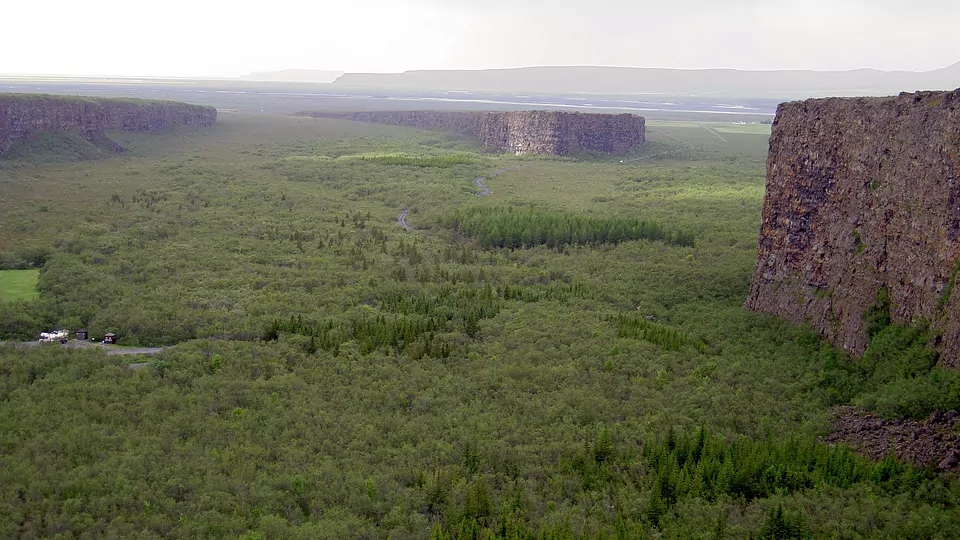
Next: Asbyrgi — narrated, and free to walk into.
Step inside a journey
Guided audio journeys across Iceland — every stop mapped, narrated and ready to drive.
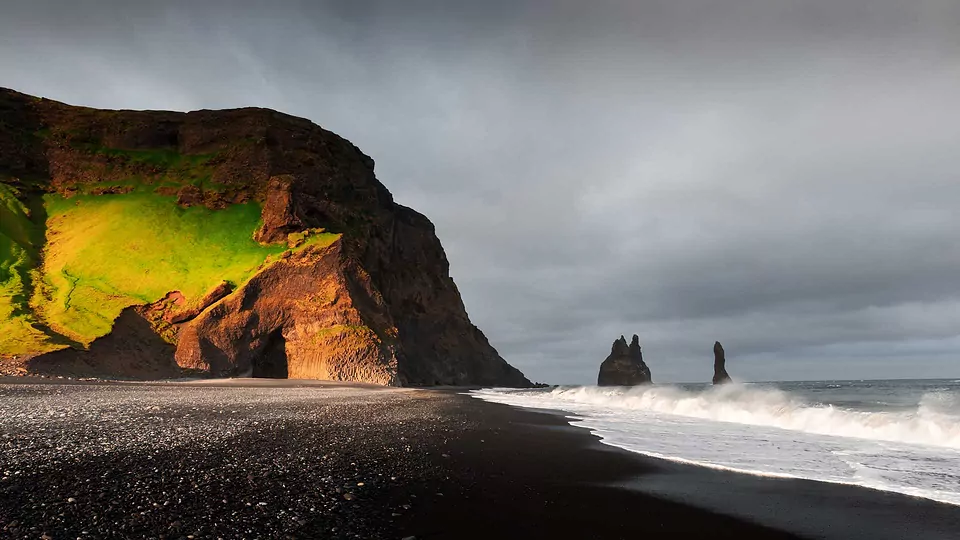
7 stops
South Coast: Waterfalls and Black Sands
Follow Iceland’s best-known south coast landscapes, from powerful waterfalls to black sand beaches and sea cliffs.
Start journey →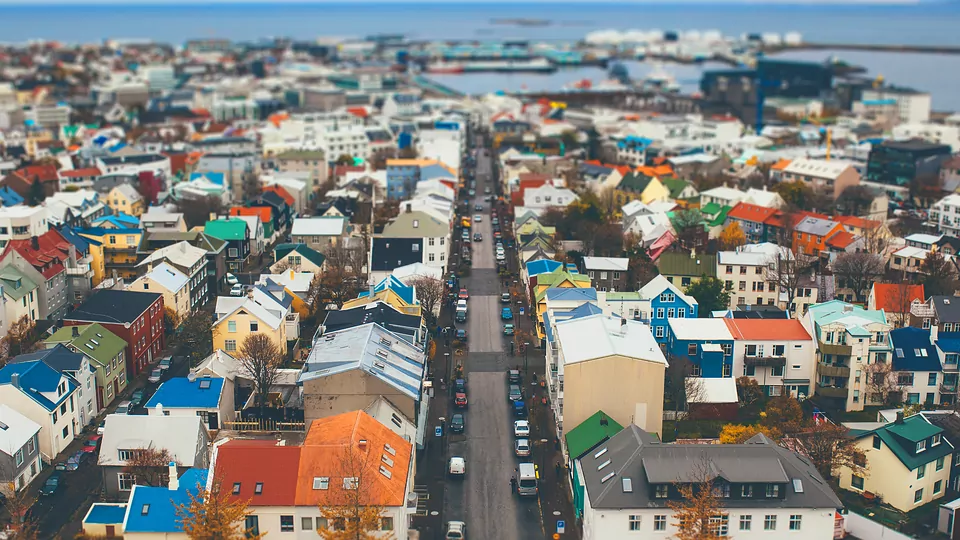
8 stops
Reykjavík: City by the Sea
Get to know Iceland’s capital through its landmarks, waterfront, culture, and everyday city atmosphere.d
Start journey →
7 stops
South Iceland: Hidden Stops and Scenic Detours
Go beyond the classics with quieter stops, canyon views, and lesser-known corners of the south.
Start journey →