Myvatn: Volcanic Geology and Avian Life in North Iceland
Myvatn
Weather
Local Time
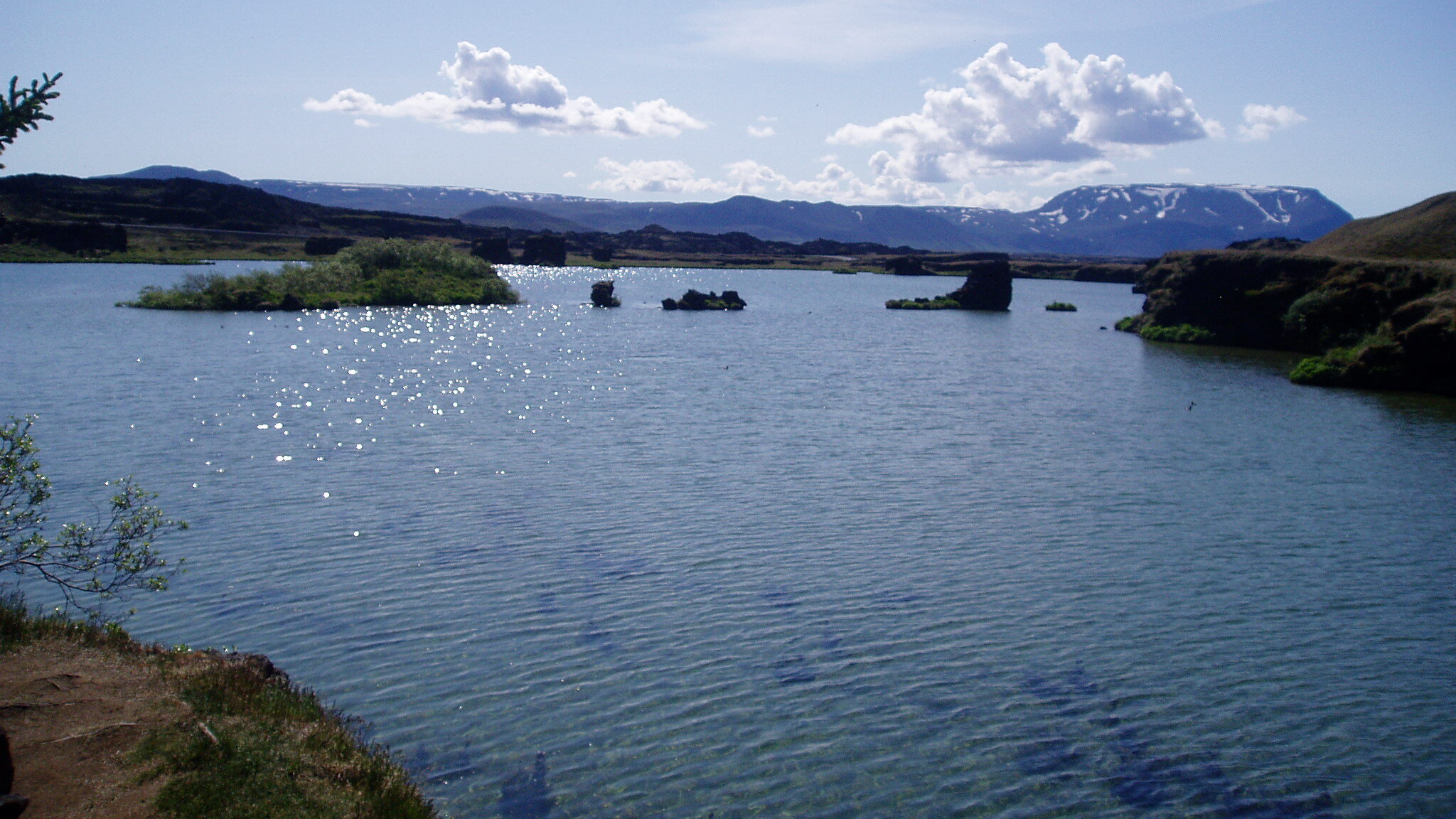
A detailed guide to the geological formations, unique bird species, and geothermal culture surrounding North Iceland's Myvatn region.
Lake Mývatn is a geological masterpiece and a biological wonder that serves as the centerpiece of North Iceland’s volcanic landscapes. Covering approximately 37 square kilometers, it is the fourth-largest lake in the country. While most visitors come for the dramatic craters and steaming vents that surround its shores, the lake itself is a complex ecosystem that has been a protected nature reserve since 1974. Its name, which translates to "Midge Lake," hints at the massive swarms of tiny insects that form the base of an incredibly rich food chain.
The Birth of a Volcanic Landscape
The geology of Mývatn is relatively young and exceptionally violent. The lake basin was formed about 2,300 years ago during a massive basaltic lava eruption. As the molten rock flowed across the landscape, it dammed rivers and trapped water, creating the shallow lake we see today. Because the lake is so shallow—averaging only about 2.5 meters in depth—sunlight can reach the bottom, fueling a massive growth of algae and moss.
This shallow depth is the secret to Mývatn’s biological productivity. The lake is fed by nutrient-rich underground springs that have been filtered through volcanic rock. These nutrients support a staggering population of midges (chironomids). While they can be a nuisance to hikers in the summer, these insects are the engine of the local economy and ecology; they provide an endless feast for the tens of thousands of ducks and salmon that call the lake home.
A Birdwatcher’s Paradise
Mývatn is world-renowned as one of the premier birdwatching destinations in the Northern Hemisphere. It hosts a higher concentration of breeding duck species than almost anywhere else on Earth.
The Barrow’s Goldeneye: This is the only place in Europe where this North American duck species breeds.
The Harlequin Duck: Often found in the rushing Laxá River that flows out of the lake, these striking blue-and-white birds are a favorite for photographers.
The Sigurgeir’s Bird Museum, located on the northern shore at the Ytri-Nesland farm, houses a comprehensive collection of nearly all Icelandic birds and serves as a gateway for those looking to understand the lake's delicate avian balance.
Iconic Geological Landmarks
The perimeter of Lake Mývatn is dotted with "pseudo-craters," lava pillars, and volcanic fissures that look like something out of a science fiction film.
Skútustaðagígar Pseudo-craters: Located on the southern shore, these look like true volcanic craters but never actually erupted magma. They were formed when hot lava flowed over the wet marshland, causing steam explosions that blew craters into the surface.
Kálfaströnd and Höfði: These areas feature "lava pillars" rising out of the water. These are the remnants of a lava lake where the cooler exterior solidified while the molten interior drained away. The Höfði peninsula offers a rare sight in Iceland: a lush, forested area with paths that weave between trees and jagged rock formations.
Vindbelgjarfjall: For the best aerial view of the lake's complex mosaic of islands and wetlands, hikers can climb this 529-meter mountain. The trail is moderate and takes about an hour, rewarding you with a 360-degree view of the entire Mývatn basin.
Cultural and Culinary Heritage
The people of Mývatn have lived in harmony with this volatile landscape for over a thousand years. Traditional life here revolved around the lake's resources.
Hverabrauð (Lava Bread): Perhaps the most famous local delicacy is dark rye bread baked in the ground. Locals bury tins of dough in the geothermally heated earth near the Hverir area, where the steady heat "slow-bakes" the bread over 24 hours. The result is a dense, sweet, cake-like bread often served with local smoked trout.
Geothermal Power: The area is a leader in green energy. The Bjarnarflag Power Station was the first of its kind in Iceland, harnessing the same steam that powers the mud pots to provide heat and electricity to the local community.
The Modern Experience: Relaxation and Research
No trip to Mývatn is complete without a visit to the Mývatn Nature Baths (Jarðbaðshólar). Often called the "Blue Lagoon of the North," these alkaline baths offer a more intimate and rugged experience than their southern counterpart. The water is drawn from depths of up to 2,500 meters and contains a unique blend of minerals and silicates that are believed to be beneficial for the skin and respiratory system.
For scientists, Mývatn is a living laboratory. The Mývatn Research Station is a world-class facility where biologists and geologists study everything from the "Marimo" (rare green moss balls that grow on the lake floor) to the shifting of the tectonic plates. The lake is a "sentinel" site for climate change, as its shallow waters respond quickly to shifts in temperature and nutrient levels.
Practical Tips for the "Midge Lake"
Head Nets: If visiting in June or July, a head net is not just a suggestion—it is a necessity. The midges do not bite, but they fly in dense clouds and will enter your nose, mouth, and eyes if you are not protected.
Tread Lightly: Much of the land around the lake is private farmland or protected bird-nesting territory. Always stick to marked paths to avoid disturbing the fragile ecosystem.
Stay Local: To truly experience the magic of Mývatn, stay in the village of Reykjahlíð. Watching the sunset over the pseudo-craters when the tour buses have departed is one of the most peaceful experiences Iceland has to offer.
Lake Mývatn is a place where the destructive power of fire and the life-giving power of water have reached a beautiful, if fragile, stalemate. It is a landscape that demands time and respect, offering a deep look into the soul of the Icelandic North.
Where to go next
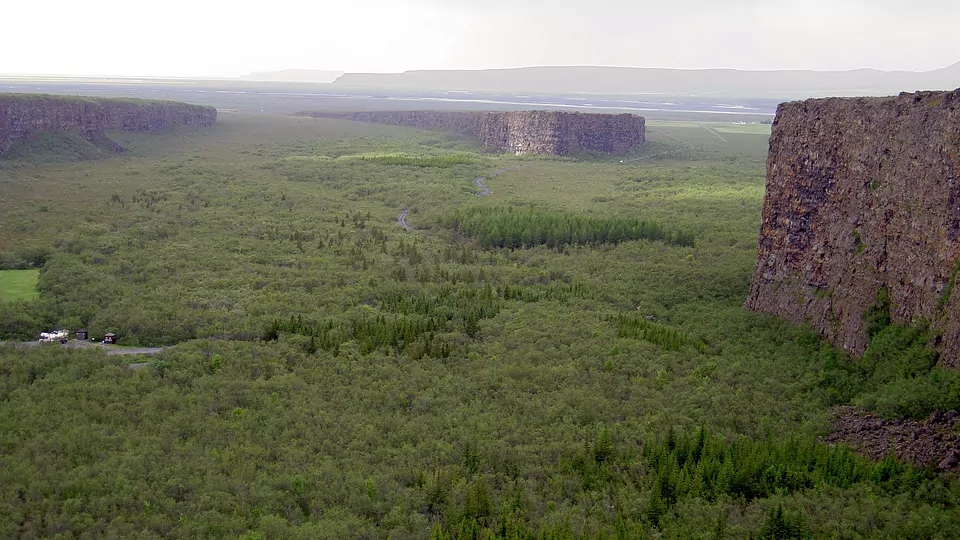
Next: Asbyrgi — narrated, and free to walk into.