Arctic Henge: A Monument to Norse Mythology on the Arctic Coast
Arctic Henge
Weather
Local Time
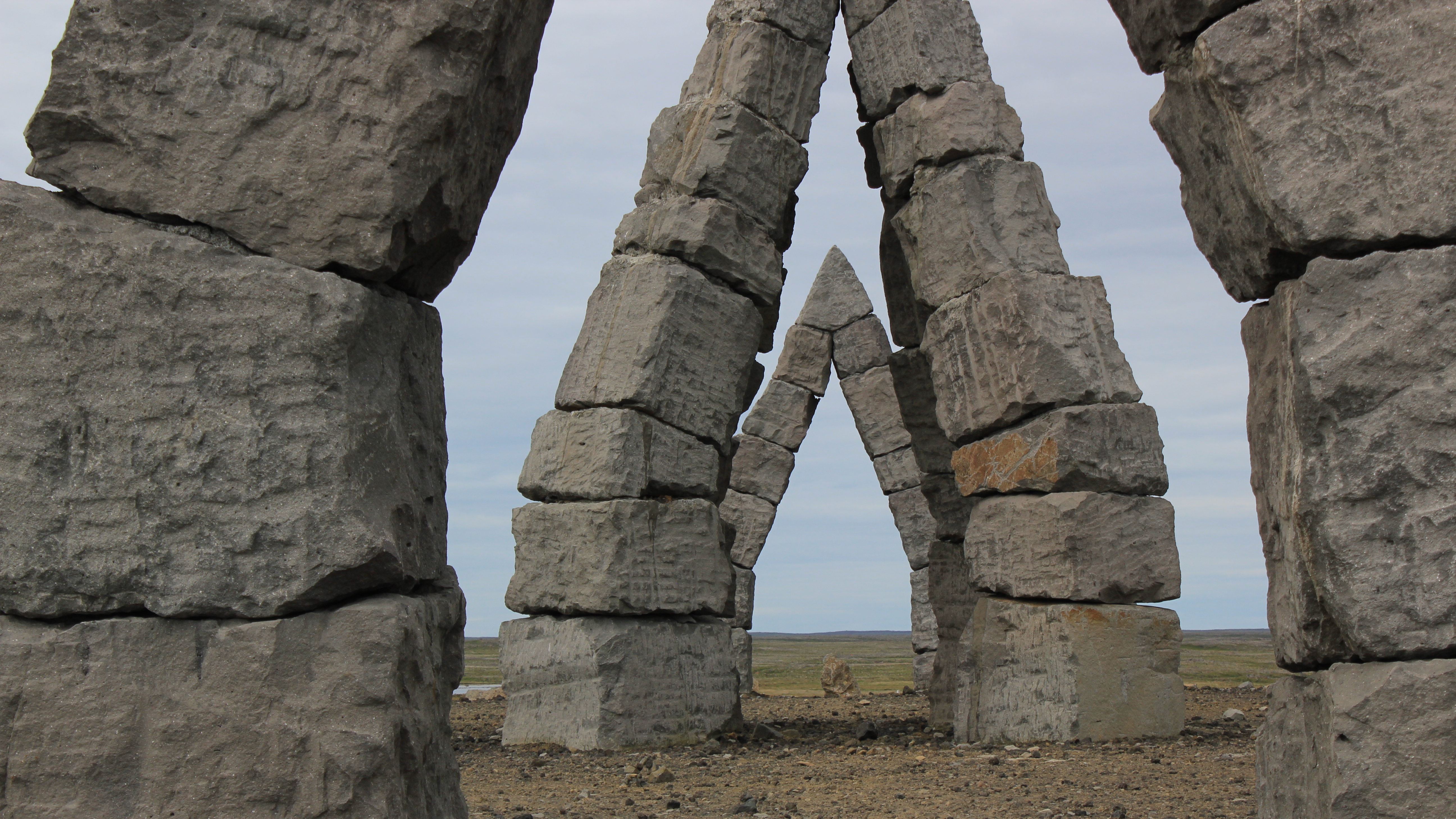
Journey to the remote Melrakkasletta Peninsula to encounter a massive stone complex designed to track the sun and tell the stories of the Poetic Edda.
Sculpture at Melrakkaslétta
Similar to its ancient predecessor, Stonehenge, the Arctic Henge is like a huge sundial, aiming to capture the sun rays, cast shadows in precise locations and capture the light between aligned gateways. Located in Raufarhöfn, the Arctic Henge is a real must to visit. The Arctic Henge, or Heimskautsgerðið in Icelandic, is one of the most ambitious and visually arresting modern monuments in the North Atlantic. Located on a windswept hill overlooking the village of Raufarhöfn—the northernmost settlement on mainland Iceland—this massive stone complex is far more than a decorative landmark. It is a colossal symbolic solar clock, a physical manifestation of medieval Norse mythology, and a visionary piece of environmental art designed to interact with the unique movement of the Arctic sun. While it draws inspiration from ancient sites like Stonehenge, the Arctic Henge is entirely unique to the Icelandic cultural landscape, serving as a bridge between the island's pagan roots and its modern astronomical reality. The project was the brainchild of Erlingur Thoroddsen, a local hotelier and visionary who sought to revitalize the economy of Raufarhöfn. Once a bustling hub during the "Herring Adventure," the village had suffered significantly as the fish stocks moved elsewhere and the population dwindled. Erlingur envisioned a world-class attraction that would draw travelers to the remote Melrakkaslétta Peninsula, utilizing the one resource the village had in abundance: the unobstructed, 360-degree horizon of the Arctic sky. Construction began in 2004, and while the project is still considered a work in progress, its scale and presence have already transformed the desolate landscape into a site of pilgrimage for those seeking the mystical side of the North. The architecture of the Henge is rooted deeply in the "Völuspá" (The Prophecy of the Seeress), one of the most famous poems of the Poetic Edda. This medieval text outlines the creation of the world, the birth of the gods, and the eventual apocalyptic events of Ragnarök. The monument is designed as a physical representation of the cosmos as described in these ancient verses. The structure spans a diameter of approximately 52 meters and consists of four massive stone gates, each six meters high. These gates are meticulously oriented toward the four cardinal directions—North, South, East, and West—creating a frame through which the sun’s path can be measured and observed throughout the seasons. One of the most intricate features of the Arctic Henge is the "Path of the Dwarfs." According to the Völuspá, the world was populated by 72 dwarfs, each with a specific name and role in the cosmic order. The Henge features 72 distinct stones, each representing one of these mythological beings. Together, they form a symbolic calendar where each dwarf corresponds to a five-day period of the year. This provides a tangible connection between the passage of time and the mythology of the Norsemen. Visitors often find themselves searching for the specific stone that aligns with their own birthdate, turning a walk through the monument into a personal exploration of ancient lore. In the center of the four gates stands a ten-meter-tall column, which is intended to be the focal point of the entire complex. The vision for this central spire includes a prism crystal at its peak. This prism is designed to catch the rays of the sun and split them into the primary colors of the spectrum, projecting light across the inner circle. This interaction with light is central to the Henge’s purpose. During the summer solstice, the sun reaches its highest point and aligns perfectly with the arches, providing a dramatic display of the Midnight Sun. Conversely, during the dark winter months, the monument provides a haunting, prehistoric backdrop for the dancing green ribbons of the Northern Lights, making it a site of astronomical significance year-round. The construction of the Arctic Henge is a testament to traditional Icelandic stonework. The blocks are made of columnar basalt and other local volcanic stones, chosen for their ability to withstand the brutal salt spray and sub-zero temperatures of the Arctic coast. The sheer size of the stones requires heavy machinery to place, yet the precision of their alignment is a matter of careful mathematical calculation. This marriage of modern engineering and ancient symbolism is what gives the site its unique "neo-pagan" atmosphere. It feels ancient, yet it is undeniably a product of the 21st century. Beyond its artistic and mythological value, the Arctic Henge serves a profound social purpose. For the village of Raufarhöfn, it is a symbol of hope and resilience. By leaning into the town's remote geography—situated right on the edge of the Arctic Circle—the project has given the community a new identity. It has become a hub for cultural festivals, particularly during the solstices and equinoxes, when people gather to witness the solar alignments and celebrate the pagan traditions that have seen a resurgence in Iceland through the Ásatrú belief system. To visit the Arctic Henge is to commit to a journey. Raufarhöfn is several hours away from the main Ring Road, and the drive across the Melrakkaslétta Peninsula is one of the loneliest and most atmospheric in the country. The landscape is flat, dotted with driftwood-strewn beaches and thousands of nesting birds. When the Henge finally appears on the horizon, rising from the tundra like a forgotten ruin, the effect is profound. There is a silence at the site that is rare in the more tourist-heavy parts of the south. Here, the only sounds are the wind whistling through the stone gates and the distant roar of the North Atlantic. The Arctic Henge is a place of introspection. It invites the visitor to consider their place in the universe, framed by the cold stones and the infinite sky. It reminds us that for our ancestors, the movement of the sun was a matter of survival and a source of profound spiritual wonder. While it remains a "dream under construction," the Arctic Henge has already succeeded in its primary goal: it has made the world look toward the far north of Iceland and find something magnificent, mysterious, and deeply human waiting there.Where to go next
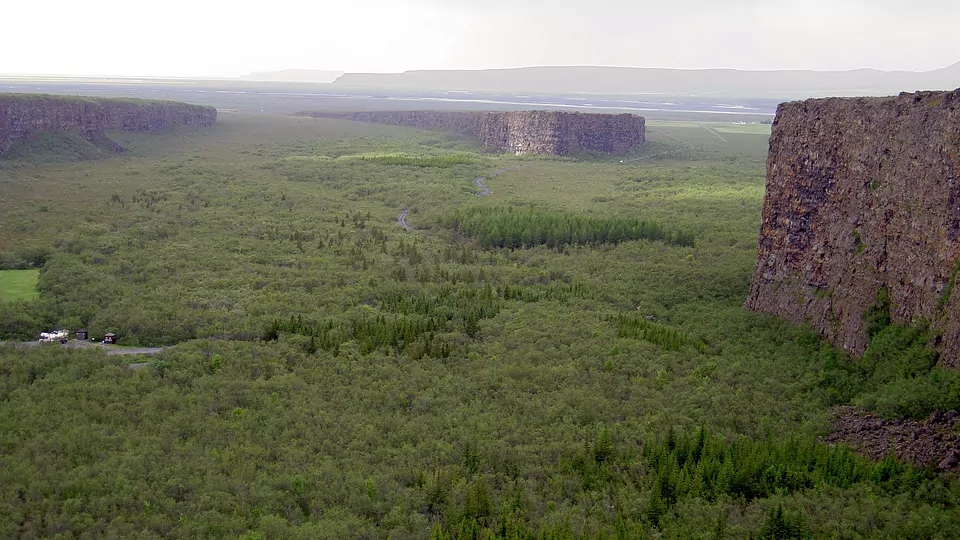
Next: Asbyrgi — narrated, and free to walk into.
Step inside a journey
Guided audio journeys across Iceland — every stop mapped, narrated and ready to drive.
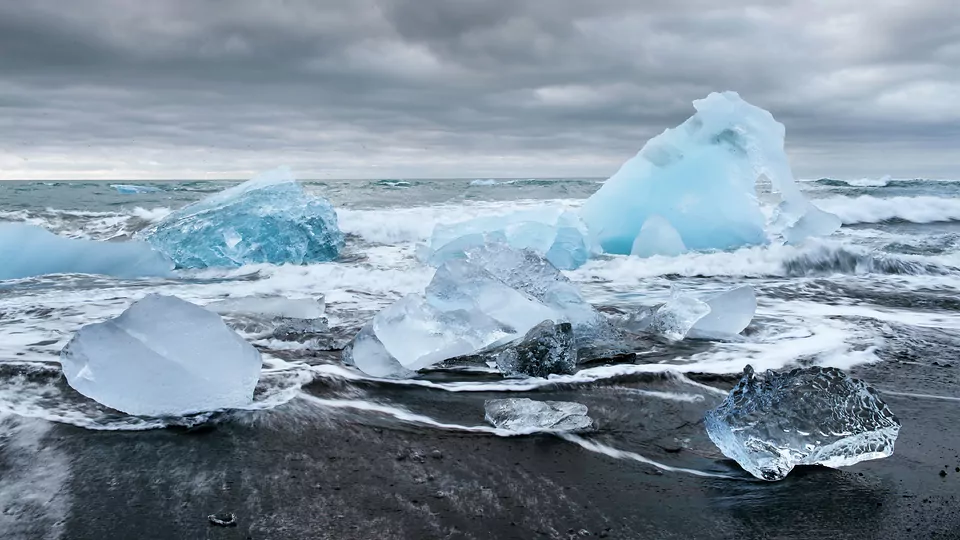
5 stops
Glacier Lagoons and Southeast Iceland
Experience Iceland’s glacial edge through lagoon ice, black shores, mountain views, and wide-open southeast landscapes.
Start journey →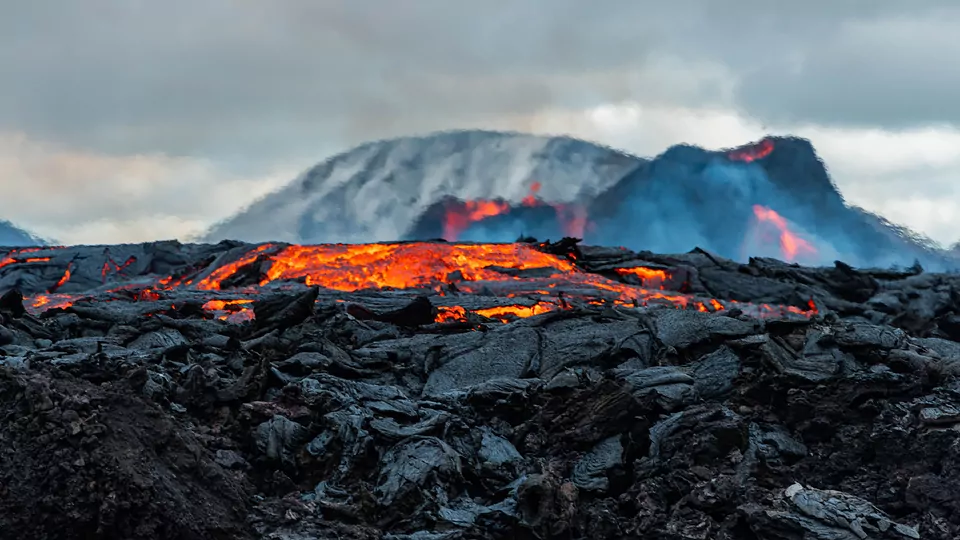
8 stops
Reykjanes: Fire, Steam and Ocean
Discover Iceland’s volcanic gateway through lava fields, geothermal areas, and dramatic coastal landscapes.
Start journey →
10 stops
Diamond Circle
See North Iceland’s volcanic landscapes, waterfalls, geothermal areas, and northern coastal towns in one journey.
Start journey →