Dalvik: A working harbor and alpine gateway in North Iceland
Dalvik
Weather
Local Time
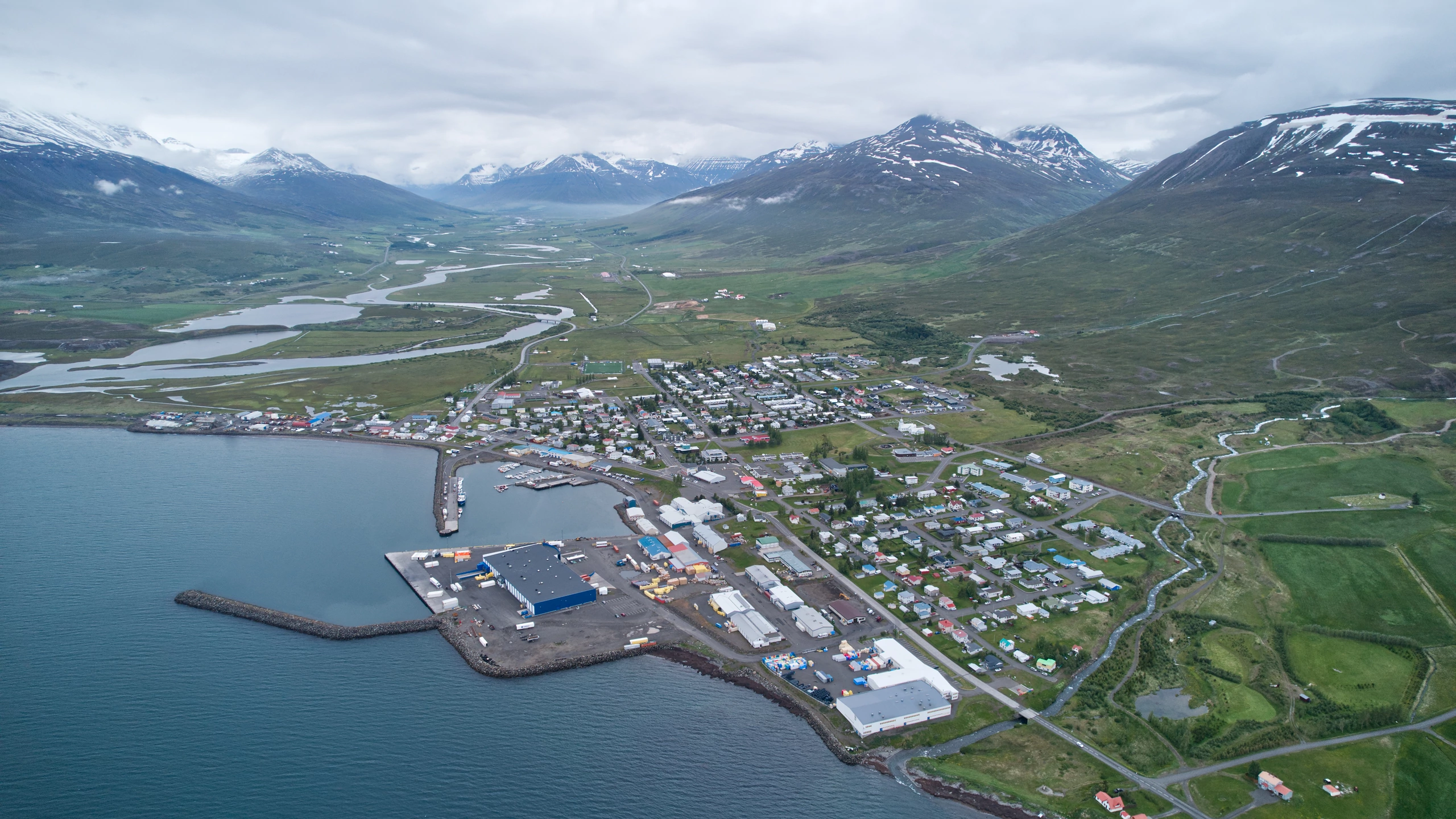
From the gateway to the Arctic Circle to the slopes of the Troll Peninsula, Dalvik offers a grounded, authentic look at life on the edge of the fjord.
For those who want the first-hand experience with nature, Dalvík is a perfect choice. Dalvík is placed in the natural paradise that is Tröllaskagi peninsula and has great access to the ocean. There are many hiking routes in and around Dalvík and everyone can and will find routes for their ability. Dalvík harbour is a large fishing and commercial port; the ferry Sæfari, which sails from Dalvík, serves the island of Grímsey, Iceland's northernmost community, which lies on the Arctic Circle. In Dalvík you will also find a well equipped swimming pool, folk museum Hvoll, unique skiing facilities, a golf course, sea angling and whale watching, horseback riding and many, many other things. It is ideal to visit Dalvík to experience the stillness, safety and the spectacular view we have to offer. Make an appearance in Dalvík and you will not regret it!
In the harbour of Dalvík, at its southern end, is a little wooden bridge over the rock dam and offers access to a beautiful black sandy beach that invites to take a walk until you reach the delta of the river Svarfaðardalsá. Take a rest in the dunes and observe the rich birdlife. Dalvík is a vibrant, resilient, and deeply traditional fishing village nestled on the western shore of Eyjafjörður, Iceland’s longest fjord. With a population of approximately 1,400 people, it serves as the administrative heart of the Dalvíkurbyggð municipality. While many coastal towns in the North are defined by their isolation, Dalvík is defined by its openness—to the sea, to the islands of the North, and to the thousands of guests it welcomes each year during its legendary festivals. It is a place where the industrial grit of a working harbor meets the staggering alpine beauty of the Tröllaskagi (Troll) Peninsula. The Great Fish Day: A Spirit of Generosity You cannot discuss Dalvík without mentioning Fiskidagurinn mikli (The Great Fish Day). Held annually on the second Saturday in August, this is perhaps the most unique festival in Iceland. On this day, the people of Dalvík invite the entire country to dinner—for free. The festival was born from a desire to celebrate the fishing industry and show hospitality. Local families and businesses set up stations throughout the town, serving fresh fish soup, grilled samples, and traditional Icelandic seafood dishes to upwards of 30,000 visitors. The night before, the "Fish Soup Night" sees locals opening their private homes to strangers, serving their secret family recipes. It is a massive, selfless celebration of community that perfectly encapsulates the "Dalvík spirit." The Gateway to Grímsey and Hrísey Dalvík is a vital transport hub for the islands of the North. The Ferry Sæfari: This ferry departs from Dalvík’s harbor to Grímsey, Iceland’s northernmost inhabited island and the only part of the country that sits on the Arctic Circle. For travelers looking to "cross the line" and earn their certificate, the journey begins in Dalvík. Hrísey: The peaceful island of Hrísey, known as the "Pearl of Eyjafjörður," is also accessible via a short ferry ride from the nearby pier at Árskógssandur. Maritime Excellence and Whale Watching Fishing remains the lifeblood of the town. Large processing plants dominate the skyline, and the harbor is a constant hive of activity. However, in recent years, Dalvík has emerged as one of the best locations in Iceland for whale watching. Because the town is situated deep within the sheltered waters of Eyjafjörður, the tours are often calmer than those on the open sea. Humpback whales are the primary attraction, frequently seen lunge-feeding or breaching just a short distance from the shore. Unique to Dalvík tours is the tradition of sea angling at the end of the trip, where passengers can catch their own fish, which the crew then grills on board for an immediate, fresh-tasting snack. The Tragedy and Resilience of 1934 Dalvík’s history is marked by a significant geological event: the Great Dalvík Earthquake of 1934. Measuring approximately 6.2 on the Richter scale, it destroyed or severely damaged nearly every building in the village. Remarkably, no lives were lost, but the event forced a total reconstruction of the town. This led to a more modern architectural layout than many older Icelandic villages, with a focus on safety and industrial efficiency that allowed the town to thrive in the mid-20th century. A Cultural Haven: Hvoll and Beyond For a town of its size, Dalvík has a surprisingly rich cultural life. Hvoll Folk Museum: This museum is a treasure trove of local history. It features an extensive collection dedicated to the earthquake, maritime heritage, and the life of Jóhann Pétursson, known as "The Icelandic Giant." Standing 2.34 meters (7'8") tall, Jóhann was one of the tallest men in the world and a beloved local figure; the museum displays his oversized clothing and furniture. Berg Cultural House: A modern architectural gem in the town center, Berg serves as a library, cinema, and concert hall. It is the hub for local art exhibitions and is often used by the community for storytelling and musical performances. Outdoor Adventure: Alpine Dreams The mountains surrounding Dalvík are a playground for those who love the cold. Böggvisstaðafjall: This is Dalvík’s local ski hill, widely regarded as one of the best in Iceland for both alpine and cross-country skiing. It has produced several Olympic skiers, earning the town a reputation as a powerhouse in Icelandic winter sports. Heli-Skiing: Like its neighbors in the Tröllaskagi region, Dalvík is a world-class destination for heli-skiing. Skiers are dropped onto untouched peaks and can carve lines through pristine snow all the way down to the shoreline. Hiking: In summer, the "Svarfaðardalur" valley offers lush trails through wetlands and mountains. The Svarfaðardalur Nature Reserve is the oldest of its kind in Iceland, protecting a vast marshland that is a sanctuary for birdwatchers. Local Flavors and Relaxation Beer Spa (Bjórböðin): Just a few minutes south of Dalvík in Árskógssandur, you will find Iceland’s first Beer Spa. Here, you can soak in a wooden tub filled with a mixture of beer, water, hops, and yeast (which is excellent for the skin) while enjoying a cold beer from the tap right next to the tub. Gisli Eirikur Helgi: This charming, rustic café in Dalvík is famous for its fish soup and homemade bread. It’s decorated with old fishing gear and serves as a cozy refuge after a day of whale watching or skiing. Why Visit Dalvík? Dalvík is for the traveler who wants to experience the authentic pulse of North Iceland. It is less "touristy" than Akureyri but more accessible than the remote reaches of the Westfjords. It is a town that works hard but knows how to celebrate with a level of generosity that is unmatched in the North Atlantic. Whether you are there to board a ferry to the Arctic Circle, to ski down a mountain into the sea, or to share a bowl of soup with 30,000 strangers, Dalvík offers a warmth that is as deep as the fjord it sits upon.
In the harbour of Dalvík, at its southern end, is a little wooden bridge over the rock dam and offers access to a beautiful black sandy beach that invites to take a walk until you reach the delta of the river Svarfaðardalsá. Take a rest in the dunes and observe the rich birdlife. Dalvík is a vibrant, resilient, and deeply traditional fishing village nestled on the western shore of Eyjafjörður, Iceland’s longest fjord. With a population of approximately 1,400 people, it serves as the administrative heart of the Dalvíkurbyggð municipality. While many coastal towns in the North are defined by their isolation, Dalvík is defined by its openness—to the sea, to the islands of the North, and to the thousands of guests it welcomes each year during its legendary festivals. It is a place where the industrial grit of a working harbor meets the staggering alpine beauty of the Tröllaskagi (Troll) Peninsula. The Great Fish Day: A Spirit of Generosity You cannot discuss Dalvík without mentioning Fiskidagurinn mikli (The Great Fish Day). Held annually on the second Saturday in August, this is perhaps the most unique festival in Iceland. On this day, the people of Dalvík invite the entire country to dinner—for free. The festival was born from a desire to celebrate the fishing industry and show hospitality. Local families and businesses set up stations throughout the town, serving fresh fish soup, grilled samples, and traditional Icelandic seafood dishes to upwards of 30,000 visitors. The night before, the "Fish Soup Night" sees locals opening their private homes to strangers, serving their secret family recipes. It is a massive, selfless celebration of community that perfectly encapsulates the "Dalvík spirit." The Gateway to Grímsey and Hrísey Dalvík is a vital transport hub for the islands of the North. The Ferry Sæfari: This ferry departs from Dalvík’s harbor to Grímsey, Iceland’s northernmost inhabited island and the only part of the country that sits on the Arctic Circle. For travelers looking to "cross the line" and earn their certificate, the journey begins in Dalvík. Hrísey: The peaceful island of Hrísey, known as the "Pearl of Eyjafjörður," is also accessible via a short ferry ride from the nearby pier at Árskógssandur. Maritime Excellence and Whale Watching Fishing remains the lifeblood of the town. Large processing plants dominate the skyline, and the harbor is a constant hive of activity. However, in recent years, Dalvík has emerged as one of the best locations in Iceland for whale watching. Because the town is situated deep within the sheltered waters of Eyjafjörður, the tours are often calmer than those on the open sea. Humpback whales are the primary attraction, frequently seen lunge-feeding or breaching just a short distance from the shore. Unique to Dalvík tours is the tradition of sea angling at the end of the trip, where passengers can catch their own fish, which the crew then grills on board for an immediate, fresh-tasting snack. The Tragedy and Resilience of 1934 Dalvík’s history is marked by a significant geological event: the Great Dalvík Earthquake of 1934. Measuring approximately 6.2 on the Richter scale, it destroyed or severely damaged nearly every building in the village. Remarkably, no lives were lost, but the event forced a total reconstruction of the town. This led to a more modern architectural layout than many older Icelandic villages, with a focus on safety and industrial efficiency that allowed the town to thrive in the mid-20th century. A Cultural Haven: Hvoll and Beyond For a town of its size, Dalvík has a surprisingly rich cultural life. Hvoll Folk Museum: This museum is a treasure trove of local history. It features an extensive collection dedicated to the earthquake, maritime heritage, and the life of Jóhann Pétursson, known as "The Icelandic Giant." Standing 2.34 meters (7'8") tall, Jóhann was one of the tallest men in the world and a beloved local figure; the museum displays his oversized clothing and furniture. Berg Cultural House: A modern architectural gem in the town center, Berg serves as a library, cinema, and concert hall. It is the hub for local art exhibitions and is often used by the community for storytelling and musical performances. Outdoor Adventure: Alpine Dreams The mountains surrounding Dalvík are a playground for those who love the cold. Böggvisstaðafjall: This is Dalvík’s local ski hill, widely regarded as one of the best in Iceland for both alpine and cross-country skiing. It has produced several Olympic skiers, earning the town a reputation as a powerhouse in Icelandic winter sports. Heli-Skiing: Like its neighbors in the Tröllaskagi region, Dalvík is a world-class destination for heli-skiing. Skiers are dropped onto untouched peaks and can carve lines through pristine snow all the way down to the shoreline. Hiking: In summer, the "Svarfaðardalur" valley offers lush trails through wetlands and mountains. The Svarfaðardalur Nature Reserve is the oldest of its kind in Iceland, protecting a vast marshland that is a sanctuary for birdwatchers. Local Flavors and Relaxation Beer Spa (Bjórböðin): Just a few minutes south of Dalvík in Árskógssandur, you will find Iceland’s first Beer Spa. Here, you can soak in a wooden tub filled with a mixture of beer, water, hops, and yeast (which is excellent for the skin) while enjoying a cold beer from the tap right next to the tub. Gisli Eirikur Helgi: This charming, rustic café in Dalvík is famous for its fish soup and homemade bread. It’s decorated with old fishing gear and serves as a cozy refuge after a day of whale watching or skiing. Why Visit Dalvík? Dalvík is for the traveler who wants to experience the authentic pulse of North Iceland. It is less "touristy" than Akureyri but more accessible than the remote reaches of the Westfjords. It is a town that works hard but knows how to celebrate with a level of generosity that is unmatched in the North Atlantic. Whether you are there to board a ferry to the Arctic Circle, to ski down a mountain into the sea, or to share a bowl of soup with 30,000 strangers, Dalvík offers a warmth that is as deep as the fjord it sits upon.
Where to go next
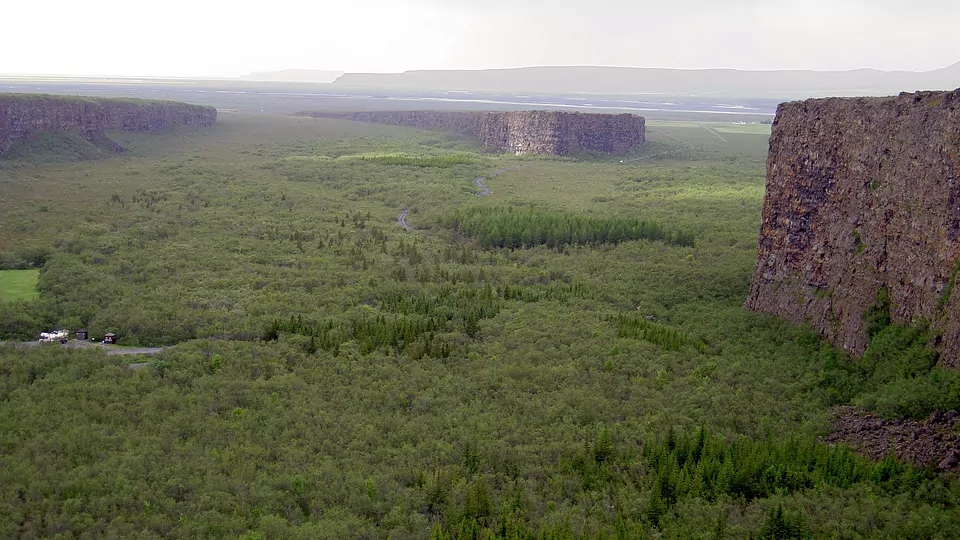
Next: Asbyrgi — narrated, and free to walk into.
Step inside a journey
Guided audio journeys across Iceland — every stop mapped, narrated and ready to drive.
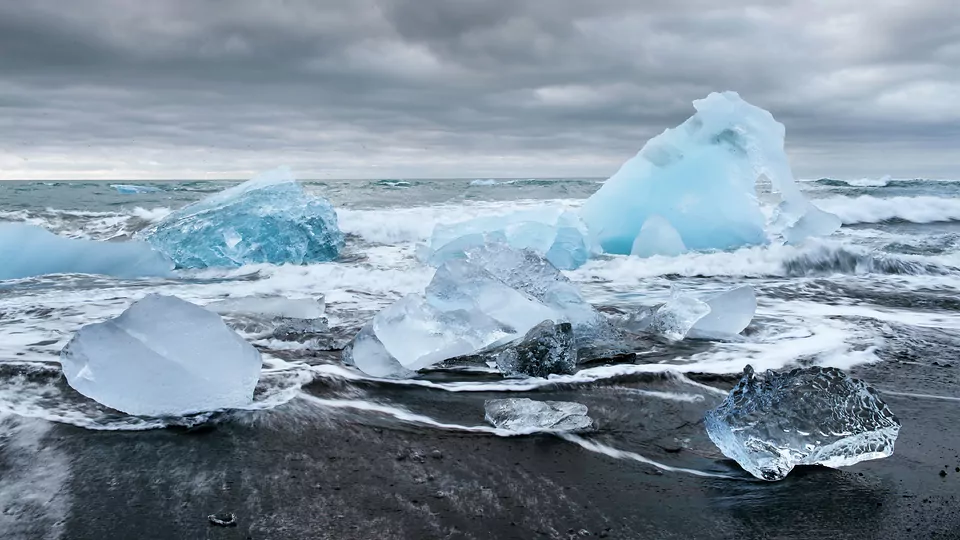
5 stops
Glacier Lagoons and Southeast Iceland
Experience Iceland’s glacial edge through lagoon ice, black shores, mountain views, and wide-open southeast landscapes.
Start journey →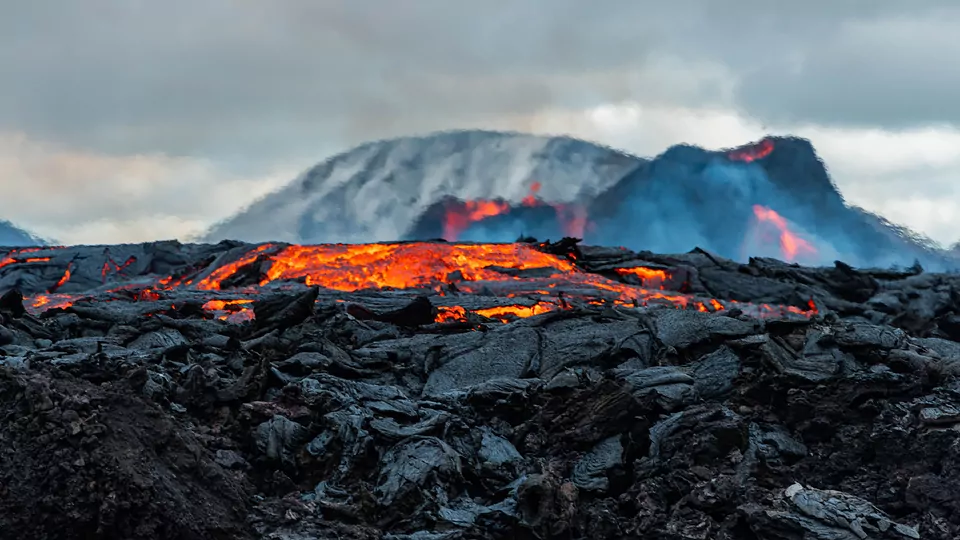
8 stops
Reykjanes: Fire, Steam and Ocean
Discover Iceland’s volcanic gateway through lava fields, geothermal areas, and dramatic coastal landscapes.
Start journey →
10 stops
Diamond Circle
See North Iceland’s volcanic landscapes, waterfalls, geothermal areas, and northern coastal towns in one journey.
Start journey →