Ólafsfjörður: A Sanctuary of Basalt Peaks and Silent Waters
Ólafsfjörður
Weather
Local Time
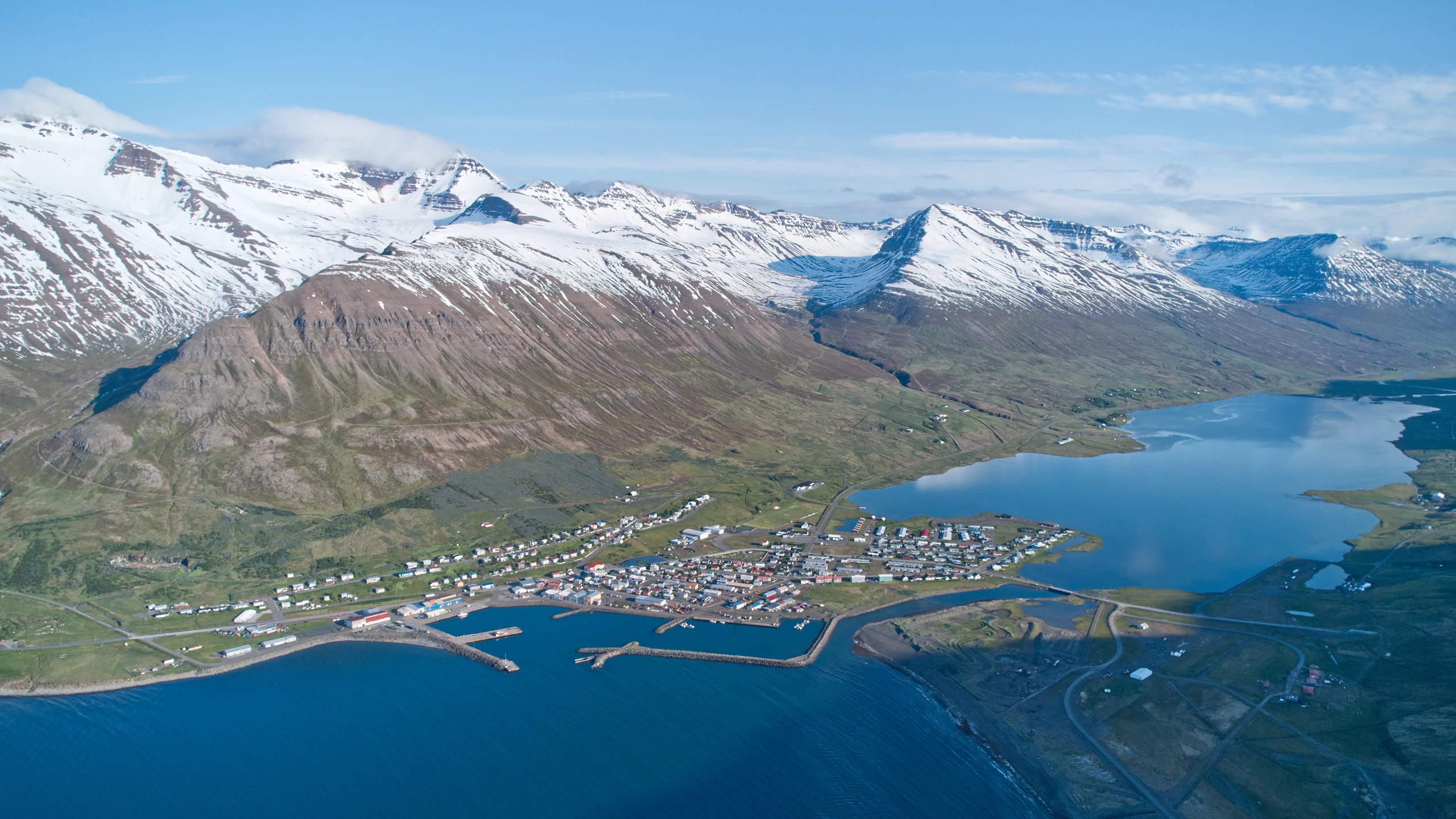
A refined exploration of Olafsfjordur, where rare ecological phenomena and dramatic mountain landscapes meet the quiet resilience of a northern fishing town.
Ólafsfjörður is a town in the northeast of Iceland located at the mouth of the fjord Eyjafjörður.
The town is connected to Dalvík on Eyjafjörður by the 3.5 km one-lane Múli tunnel (the Múlagöng) and to Siglufjörður by the 11 km Héðinsfjörður Tunnels, which opened in 2010. The still waters of Ólafsfjörður Lake often mirror Ólafsfjörður town, its surrounding mountains and the sky above. Occasionally a trout breaks the surface, as a reminder of what is up and what is down in this mysterious mountain retreat. The lake has a long-lived reputation for mystery, not least because both fresh-water and salt-water fish are caught in it. For the general tourist, as well as those who are keen on outdoor activities, Ólafsfjörður town has many interesting and enjoyable pursuits on offer. During the winter months, it is a skier's paradise and an outdoor enthusiast's dream come true. There is a choice of cross-country skiing, slalom, skating, zooming around on a snowmobile or hand line fishing in the waters of Ólafsfjarðarvatn. During the summer, it is the mountains, the lake and the black sandy shores which beckon us, and there is a wide selection of walks and hikes in both mountain and valley to tempt the visitor. A few hours walking through the area's rugged landscape gives one the chance to savor the peace and tranquillity which emanates from these natural elements. The diversity of leisure activities is almost endless and in Ólafsfjörður it is possible to go sea angling or angling in the waters of Ólafsfjarðará river or Ólafsfjarðarvatn lake. And we must not forget the fishing from the end of the pier can also be fun. There is a 9-hole golf course, a swimming pool, and an excellent natural history museum containing many stuffed birds.
Ólafsfjörður is a town of quiet, rugged beauty and deep-seated resilience, serving as the eastern gateway to the northern reaches of the Tröllaskagi (Troll) Peninsula. While it is often mentioned in the same breath as its more "famous" neighbor, Siglufjörður—connected by the 11-kilometer Héðinsfjörður tunnels—Ólafsfjörður possesses a distinct character all its own. It is a place where the mountains don’t just frame the town; they define its soul, its economy, and its sense of time.
Geography: A Fortress of Basalt
The town is situated at the mouth of the fjord that shares its name, Ólafsfjörður. To the north lies the open expanse of the Greenland Sea, and to the south, east, and west, the town is hemmed in by massive, flat-topped basalt mountains that soar up to 800 meters.
Because of this dramatic geography, Ólafsfjörður feels like a hidden fortress. Before the tunnels were built in 2010, the town was notoriously isolated. To the south, the road leads over the Lágheiði heath, which was frequently impassable in winter. To the north, the road follows the treacherous Múlakolla cliffs, where the path was often threatened by avalanches and rockfalls. This history of isolation fostered a tight-knit, self-reliant community that remains proud of its heritage today.
The Lifeblood: Fishing and the Fjord
Like most coastal towns in North Iceland, Ólafsfjörður was built on the back of the fishing industry. In the late 19th and early 20th centuries, it was a vital harbor for the herring rush, though it never quite reached the industrial fever pitch of Siglufjörður. Instead, it maintained a steady, robust economy based on both small-boat fishing and larger processing plants.
Even today, the harbor is the center of gravity. Walking along the docks, you see the juxtaposition of traditional wooden fishing boats and modern, high-tech trawlers. The town’s economy is still largely tied to the sea, though it has successfully diversified into specialized maritime services and, increasingly, sustainable tourism.
The Natural Phenomenon: The Lake and the Sea
One of the most unique geographical features of Ólafsfjörður is Ólafsfjarðarvatn, a large lake situated just behind the town. This is not an ordinary lake; it is a "meromictic" lake, meaning it has distinct layers of water that do not mix.
The Layers: The top layer consists of fresh water from the surrounding mountains, while the bottom layer is salt water that seeps in from the ocean.
The Inhabitants: Because of this rare phenomenon, both freshwater trout and saltwater cod can be found in the same body of water, making it a point of fascination for biologists and a unique spot for local fishermen.
A Paradise for Extreme Sports
In recent years, Ólafsfjörður has rebranded itself as a premier destination for "extreme" outdoor enthusiasts. The surrounding mountains are some of the steepest in Iceland, creating conditions that are perfect for those who find the gentle slopes of the south too tame.
Heli-Skiing and Backcountry Skiing: The Tröllaskagi Peninsula is the only place in Iceland where you can ski from a mountain peak all the way down to a black sand beach. Ólafsfjörður is a primary base for heli-skiing operations. In the spring (March to June), the "corn snow" conditions are among the best in the world, and the light of the Midnight Sun allows for skiing late into the evening.
Pálshús Museum: Located in one of the town's oldest buildings, this museum houses a unique collection dedicated to the natural history of the area, but it also features an exhibit on Dr. Páll Bergþórsson, a famous local meteorologist. The museum serves as a cultural hub, connecting the town's scientific interest in weather and nature with its history.
Surfing: It may sound impossible, but the mouth of the fjord at Ólafsfjörður provides some of the most consistent—and coldest—surfing waves in the North Atlantic. A small but dedicated community of "Arctic surfers" frequents the bay, braving sub-zero temperatures for the chance to ride waves against a backdrop of snow-covered peaks.
The Tunnels: A Social Revolution
The 2010 opening of the Héðinsfjarðargöng tunnels changed Ólafsfjörður forever. Before the tunnels, the drive to Siglufjörður was 60 kilometers over a dangerous mountain pass. Now, it is a 15-minute drive through the heart of the mountain.
This connection created a "unified" municipality known as Fjallabyggð. It allowed the two towns to share services, schools, and healthcare, but it also opened up a "scenic loop" for tourists. Travelers who once bypassed Ólafsfjörður now include it as a key stop on the Arctic Coast Way (Norðurstrandleið), a touring route that highlights the rawest parts of the North.
Culture and the "Troll" Spirit
The people of Ólafsfjörður are known for their humor and their deep connection to the land. Folklore is still a present force here; many of the jagged rock formations on the surrounding mountains are said to be petrified trolls who were caught in the sunlight while trying to cross the fjord.
The town also has a surprising artistic side. Each year, it hosts various small-scale festivals and art workshops that capitalize on the silence and dramatic light of the North. The Listhús Art Residency provides space for international artists to live and work in the village, bringing a cosmopolitan flair to this remote outpost.
Practical Tips for Visitors
The Swimming Pool: No visit to Ólafsfjörður is complete without a stop at the local pool. It features excellent hot tubs and two very fast water slides that are a hit with children and locals alike. It is the best place to get the "local pulse" of the town.
Dining: While smaller than Siglufjörður, the town offers cozy spots like Kaffi Klara, a charming café known for its local ingredients and friendly atmosphere.
Winter Travel: If visiting in winter, be prepared for heavy snow. The town is a "snow hole," meaning it receives some of the highest snowfall totals in the country. However, the snow-clearing crews are world-class, and there is a magical, quiet beauty to the town when it is buried in white.
Why Ólafsfjörður?
Ólafsfjörður is for the traveler who wants to see the "real" North. It isn't as polished as Akureyri or as tourist-centric as Húsavík. It is a working town, a place of steep mountains and deep waters, where the primary industry is still the sea and the primary entertainment is the great outdoors. It offers a sense of peace and isolation that is becoming increasingly hard to find, even in Iceland. It is a place to breathe deep, look up at the basalt peaks, and feel the true scale of the North Atlantic.
Where to go next
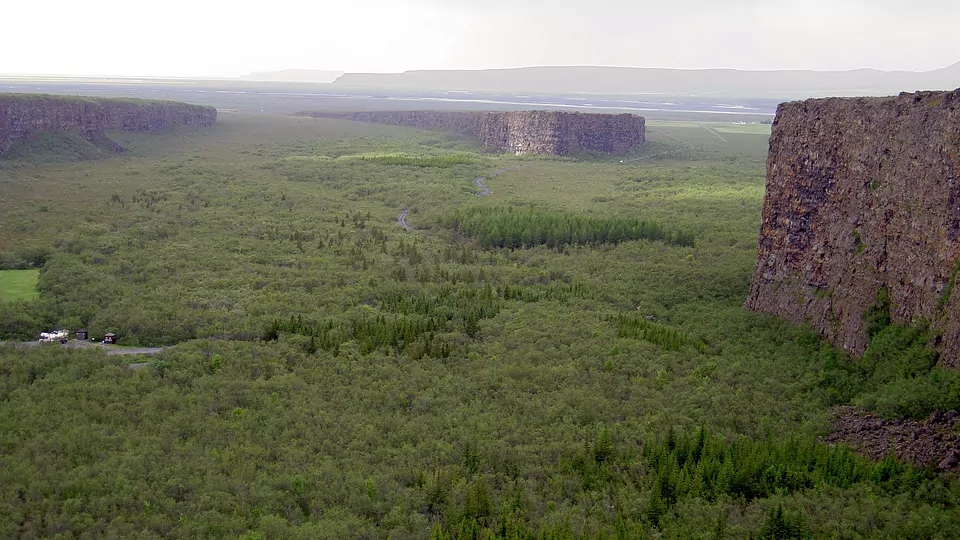
Next: Asbyrgi — narrated, and free to walk into.
Step inside a journey
Guided audio journeys across Iceland — every stop mapped, narrated and ready to drive.
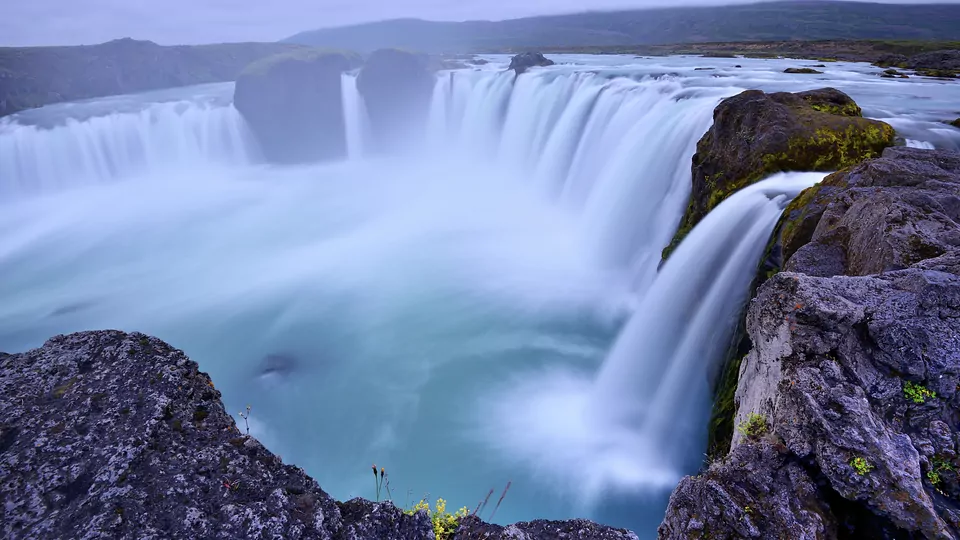
10 stops
Diamond Circle
See North Iceland’s volcanic landscapes, waterfalls, geothermal areas, and northern coastal towns in one journey.
Start journey →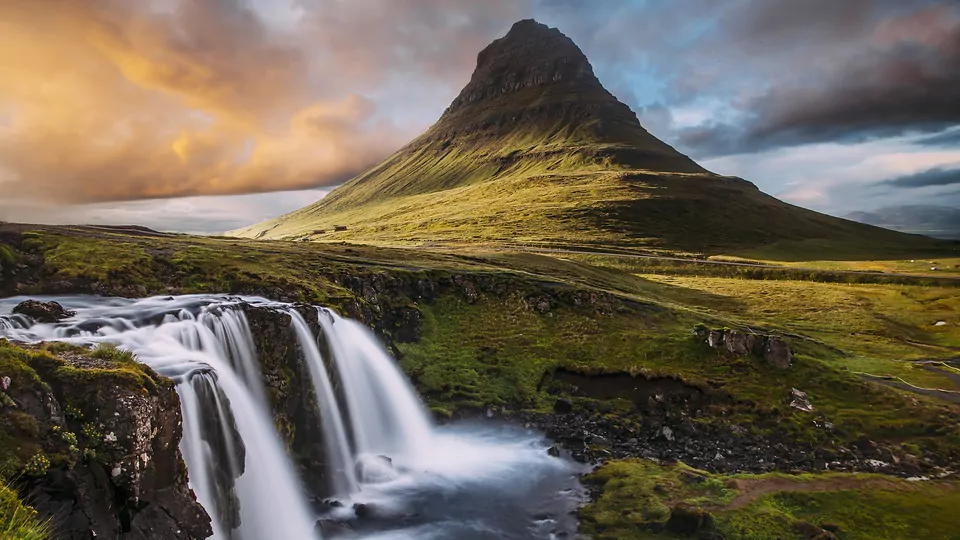
11 stops
Snaefellsnes and West iceland
Discover a region that brings together glaciers, lava fields, fishing villages, waterfalls, and dramatic coastal scenery.
Start journey →
5 stops
Golden Circle
Embark on an unforgettable digital journey through the Golden Circle, exploring Thingvellir, Geysir, Gullfoss, and more through gu...
Start journey →