The old bookstore Flateyri: A century of ink and resilience in the Westfjords
The old bookstore Flateyri
Weather
Local Time
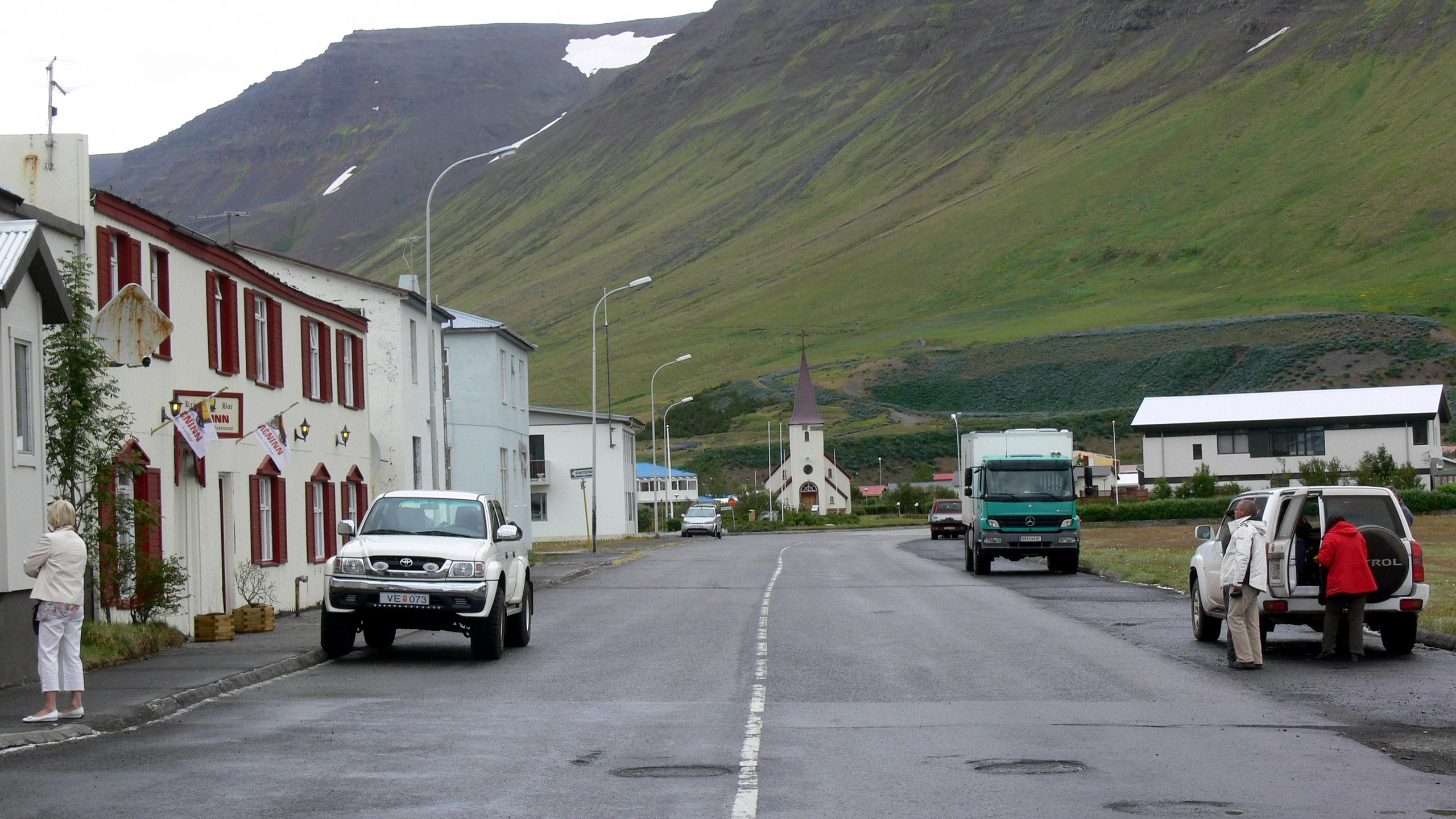
Iceland's oldest original shop is more than a place to browse; it is a meticulously preserved 1914 interior and a family legacy that has survived the test of time.
The bookstore is unique and has been in operation since 1914 and is therefore the oldest original store in Iceland. All the interiors are original and including many of the retail appliances. You can also visit the merchant's apartment which is in the same building and has remained unchanged since 1950. Here you can buy used books by weight.
The Old Bookstore in Flateyri (Gamla Bókabúðin) is not merely a retail space; it is a living monument to Icelandic resilience, a meticulously preserved time capsule, and the beating heart of one of the Westfjords' most storied fishing villages. Founded in 1914, it holds the distinction of being the oldest original store in Iceland still operating in its inaugural form. To understand the bookstore is to understand the history of Flateyri itself—a tale of commerce, tragedy, family legacy, and a modern-day cultural renaissance.
The Foundation and Family Legacy
The store was established by Jón Eyjólfsson at a time when Flateyri was a burgeoning hub for the shark-fishing and whaling industries. In the early 20th century, a bookstore in a remote fjord was more than a luxury; it was a vital link to the outside world, providing the education and entertainment necessary to endure the long, dark Arctic winters.
What makes Gamla Bókabúðin unique is its unbroken family lineage. It has been passed down through four generations of the same family. Following Jón, his son Eyjólfur took the reins, followed by his son Jóvin, and today it is curated by Jóvin’s son, Eyþór Jóvinsson. This continuity has prevented the "modernization" that stripped the character from so many other historic buildings in Iceland. When you walk through the door, you are standing on the same floorboards and looking at the same dark-wood shelving that residents did during the First World War.
A Time Capsule of Icelandic Life
The bookstore is essentially two experiences in one: a functional shop and a historic house museum.
The Shop: The front of the building remains a working bookstore, but with a traditional twist. In a move that garnered international attention, the store began selling second-hand books by weight. This "books by the kilo" approach encourages a sense of discovery, where visitors dig through stacks of Icelandic sagas, vintage poetry, and old schoolbooks. Alongside the books, the store sells "nonsense" (a nod to the nearby Nonsense Museum), traditional Icelandic candies, and local handicrafts that support the village's artisans.
The Merchant’s Apartment: Perhaps the most moving part of the visit is the apartment located behind and above the shop. This was the Eyjólfsson family home for decades. After the passing of the older generations, Eyþór decided to leave the rooms exactly as they were. Visitors can walk through the kitchen, the parlor, and the bedrooms, seeing the mid-century furniture, the old radio sets, and the family photographs still on the walls. It offers a rare, intimate glimpse into the domestic life of a prominent Westfjords family, showing how they balanced the sophistication of European merchant life with the rugged reality of living on a sandspit beneath towering mountains.
The Shadow of 1995
You cannot talk about Flateyri or its bookstore without acknowledging the avalanche of October 26, 1995. A massive wall of snow crashed down from the Skollahvilft basin, destroying 29 homes and claiming 20 lives—roughly 10% of the village's population at the time.
The bookstore survived the physical impact, but the psychological toll on the family and the village was immense. In the aftermath, many residents fled, and for a long time, Flateyri struggled to find its footing. The bookstore became a symbol of "the village that stayed." It remained open through the grief and the economic decline, its yellow-painted facade standing as a defiant marker of the community's refusal to vanish. Today, the family heritage museum includes stories and artifacts from that era, serving as a memorial to the resilience of those who rebuilt the town.
The Modern Renaissance: The Folk School and Storytelling
In recent years, Flateyri has experienced a surprising surge in youth and energy, much of it spearheaded by Eyþór Jóvinsson and the bookstore. Eyþór recognized that for the village to survive, it needed to be more than just a fishing port; it needed to be a place of ideas.
This led to the creation of the Flateyri Folk School (Lýðháskólinn á Flateyri). The school brings dozens of young students to the village each year to study film, outdoor leadership, and traditional arts. The bookstore has become their de facto living room. It is common to walk in and find students from across Europe drinking coffee, playing the piano in the corner, or engaged in heated debates.
Eyþór himself has become one of Iceland’s most prominent storytellers. He often greets visitors personally, offering a cup of coffee and a story. He has mastered the art of the "anecdotal tour," where a simple object—a pair of old spectacles or a ledger from the 1920s—becomes a gateway into a sprawling tale of sea monsters, merchant rivalries, or ghostly encounters.
Architecture and Aesthetics
Architecturally, the building is a classic example of Icelandic timber construction from the early 1900s. Its corrugated iron exterior—painted a cheery, weathered yellow—protects the delicate wood frame from the salt spray of the Önundarfjörður. Inside, the lighting is warm and dim, the air smells of old paper and woodsmoke, and every square inch is packed with history.
Notable details include:
The Original Counter: A heavy, dark-wood centerpiece where the family has tallied sales for over 110 years.
The "Nonsense" Corner: A curated selection of oddities that reflects the Icelandic sense of humor—items that serve no purpose other than to bring a smile.
The Map Collection: Some of the oldest maps of the Westfjords can be found here, showing the fjords as they appeared to the early explorers and fishermen.
Why It Matters
In an age of digital e-readers and homogenized tourism, the Old Bookstore in Flateyri represents the "Slow Travel" movement at its best. It doesn't offer high-tech interactive displays or a polished gift shop experience. Instead, it offers authenticity. It is a place where the barrier between the past and the present is incredibly thin.
For the people of Flateyri, it is a anchor. For travelers, it is a reminder that the most profound experiences in Iceland aren't always found at the base of a massive waterfall or on the edge of a volcano, but sometimes inside a small yellow house at the end of a fjord, where the books are sold by the kilo and the coffee is always on.
Where to go next
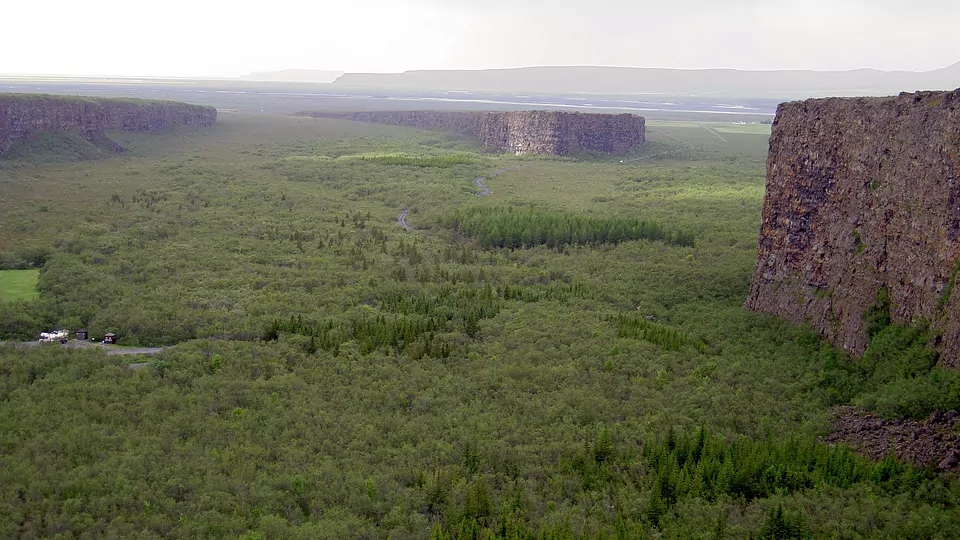
Next: Asbyrgi — narrated, and free to walk into.
Step inside a journey
Guided audio journeys across Iceland — every stop mapped, narrated and ready to drive.
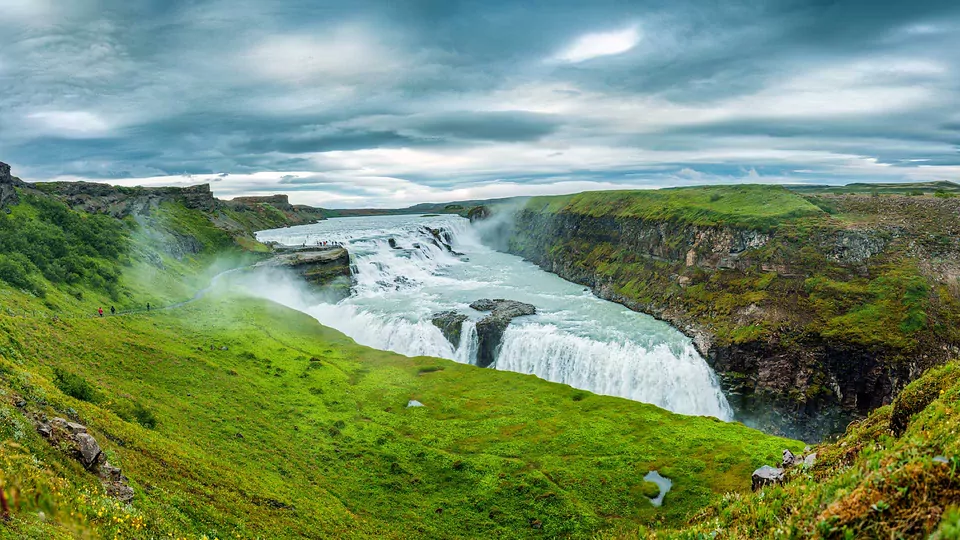
5 stops
Golden Circle
Embark on an unforgettable digital journey through the Golden Circle, exploring Thingvellir, Geysir, Gullfoss, and more through gu...
Start journey →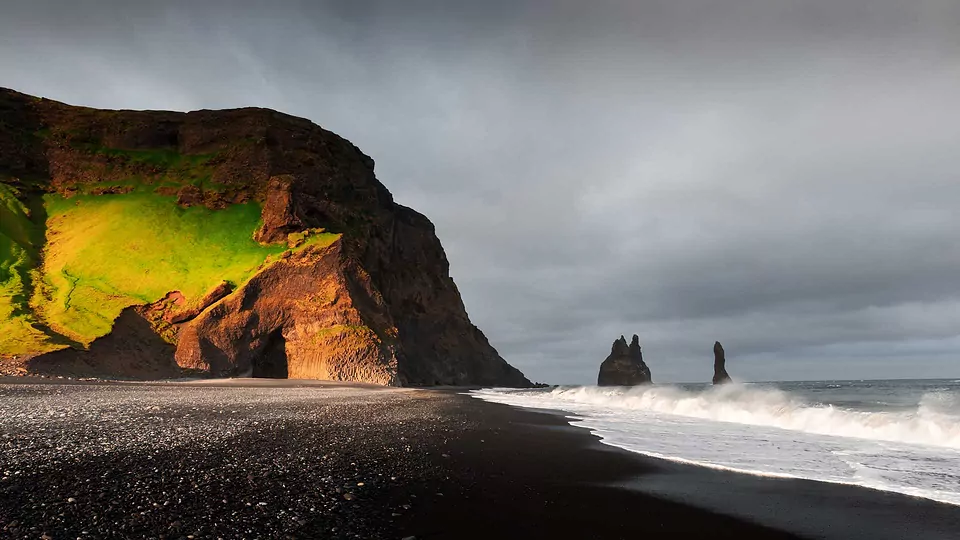
7 stops
South Coast: Waterfalls and Black Sands
Follow Iceland’s best-known south coast landscapes, from powerful waterfalls to black sand beaches and sea cliffs.
Start journey →
8 stops
Reykjavík: City by the Sea
Get to know Iceland’s capital through its landmarks, waterfront, culture, and everyday city atmosphere.d
Start journey →