Hornstrandir: A journey into the wild reaches of the Westfjords
Hornstrandir
Weather
Local Time
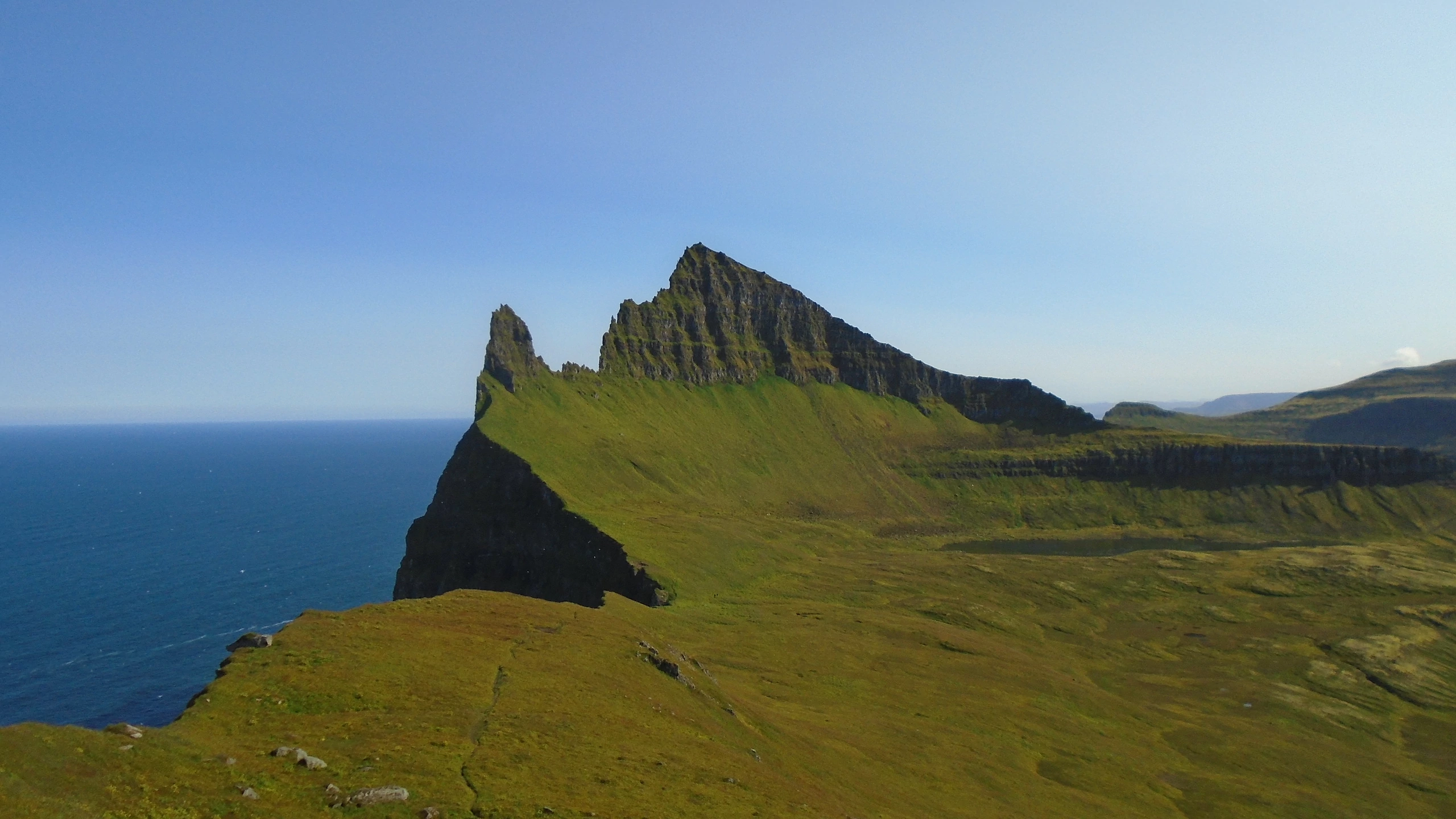
Deep in the northernmost corner of the Westfjords lies Hornstrandir, a vast nature reserve where the absence of roads and residents has allowed the Arctic fox and millions of seabirds to reclaim the land.
This territory of the Arctic fox has been uninhabited since the 1950s. As isolated as it was then, it attracts the casual half-day visitors and serious gore-tex hikers alike. Its main attractions are three. First, the bird cliffs surrounding the bay of Hornvík, are a magnet of gigantic proportions. On the eastern side of the bay the cliff reaches a height of more than 500 metres, and the birds are teeming. Second, as there are no infrastructure and the tourists few in relation to the sheer size of the area, the sense of remoteness is strong. You can hike days on end without seeing a single person. The nature is pure and the tranquillity unmatched. Third, as the area is a haven for the Arctic fox (think hunting-ban and bird-packed cliffs), the chances of spotting one are high. Most tours, especially day tours, depart from Ísafjörður. Hikers wanting to go on their own can also take boats from Bolungarvík and Norðurfjörður.
Hornstrandir is Iceland’s most remote and northernmost wilderness, a massive nature reserve in the Westfjords where nature has been left entirely to its own devices since the last inhabitants moved away in the 1950s. There are no roads, no electricity, and no permanent residents—only hikers, Arctic foxes, and sheer, prehistoric beauty [1, 2, 4].
1. The Landscape: Nature Untamed
The reserve is defined by jagged, "bird-metropolis" cliffs like Hornbjarg, which drop 500 meters vertically into the North Atlantic. Lush, flower-filled valleys and deep, abandoned fjords contrast with the harsh, tundra-like plateaus and snow patches that linger year-round [1, 5, 8].
2. The Kingdom of the Arctic Fox
Because hunting is strictly prohibited, Hornstrandir is the best place in Iceland to see the Arctic fox. These foxes are notably less shy than elsewhere in the country and can often be spotted patrolling the beaches or playing near campsites [4, 7].
3. Key Highlights
Hornbjarg: The most iconic cliff in Iceland, shaped like a giant curved blade. Standing at its edge is a "bucket-list" experience for hikers [1, 4].
Hesteyri: A former whaling station and village. Today, it serves as a primary drop-off point for boats and features a small seasonal café in the old doctor's house [3, 8].
Aðalvík: A large, beautiful bay with golden sands, ruins of old farms, and a sense of profound isolation [3, 5].
4. Logistics & Survival
Visiting Hornstrandir requires significant planning as it is one of the most challenging places to hike in Iceland.
Access: You can only reach the reserve by scheduled boat from Ísafjörður or Bolungarvík [2, 6].
Self-Sufficiency: You must carry everything with you: food, fuel, tents, and emergency gear. There are no shops or resupply points [2, 4].
Weather: The weather is notoriously unpredictable and can turn from sunny to a freezing blizzard in minutes. A GPS and solid navigation skills are mandatory [1, 5].
Camping: To protect the delicate ecosystem, camping is only allowed in designated campsites [2, 7].
Detail Information
Status Nature Reserve (since 1975)
Best Time Late June to mid-August (Boats rarely run outside this window)
Duration Most people visit for 3 to 7 days; day trips are possible to Hesteyri [3, 6]
Communication Very limited mobile signal; satellite messengers are recommended [5]
Where to go next
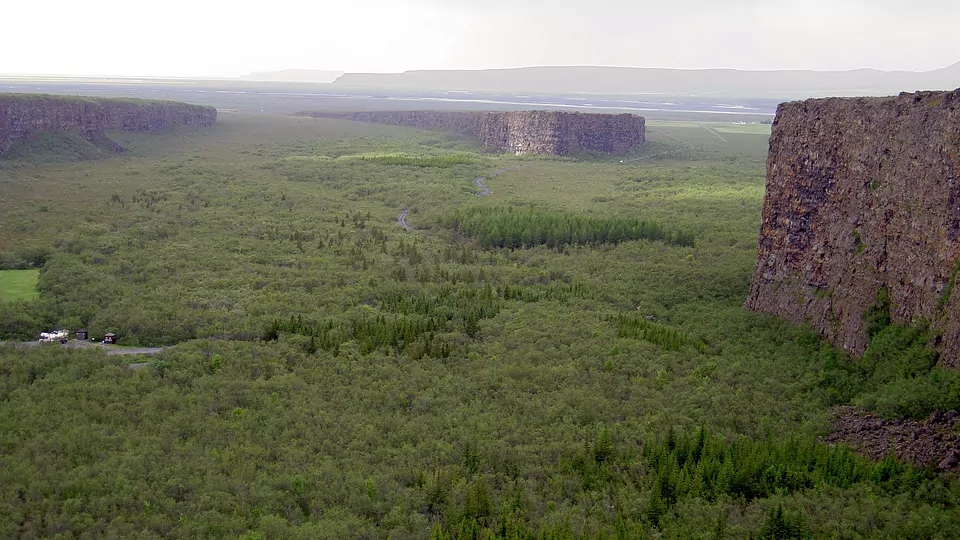
Next: Asbyrgi — narrated, and free to walk into.
Step inside a journey
Guided audio journeys across Iceland — every stop mapped, narrated and ready to drive.
8 stops
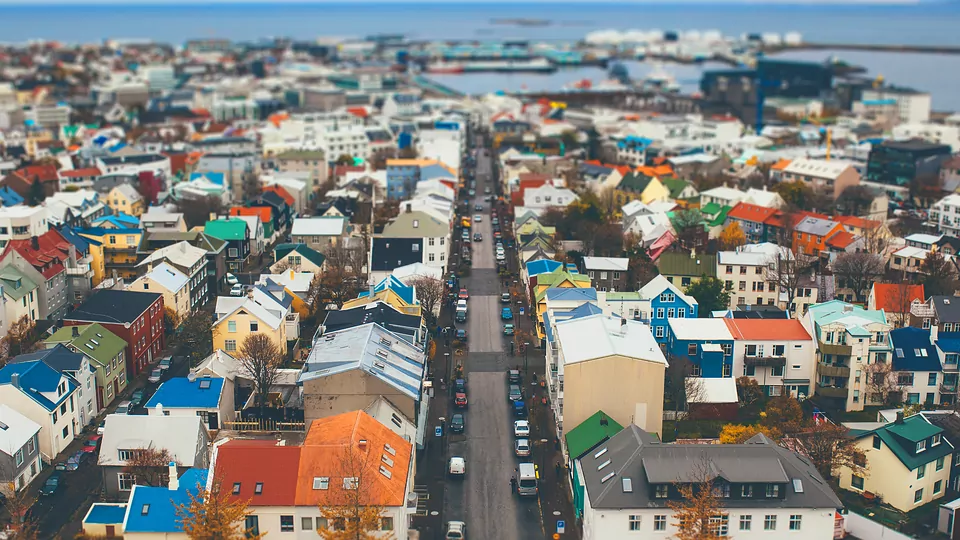
Reykjavík: City by the Sea
Get to know Iceland’s capital through its landmarks, waterfront, culture, and everyday city atmosphere.d
Start journey →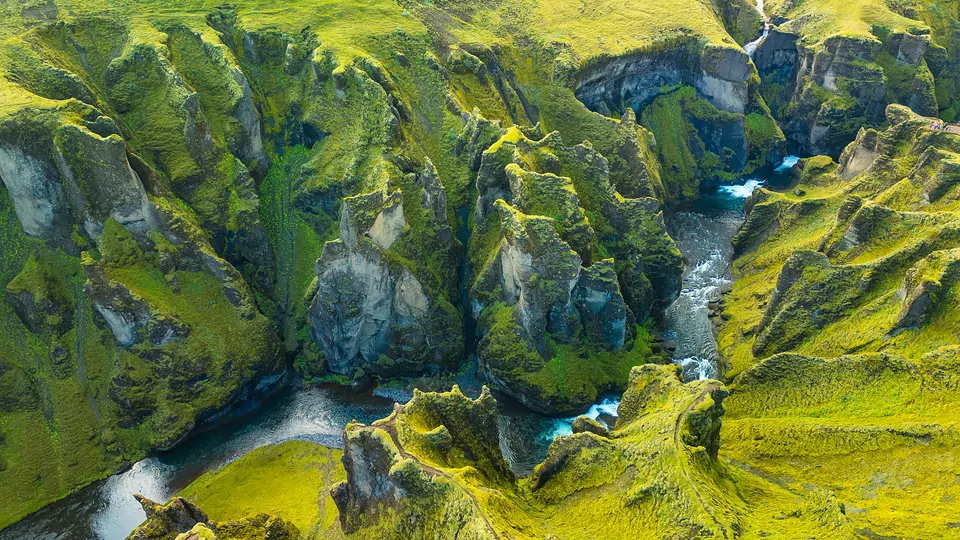
7 stops
South Iceland: Hidden Stops and Scenic Detours
Go beyond the classics with quieter stops, canyon views, and lesser-known corners of the south.
Start journey →
8 stops
East Iceland and the Eastfjords
Explore Iceland’s quieter east through fjords, small towns, basalt canyons, forests, and mountain-backed coastlines.
Start journey →