Latrabjarg: The Westernmost Point of Iceland and its Massive Seabird Cliffs
Latrabjarg
Weather
Local Time
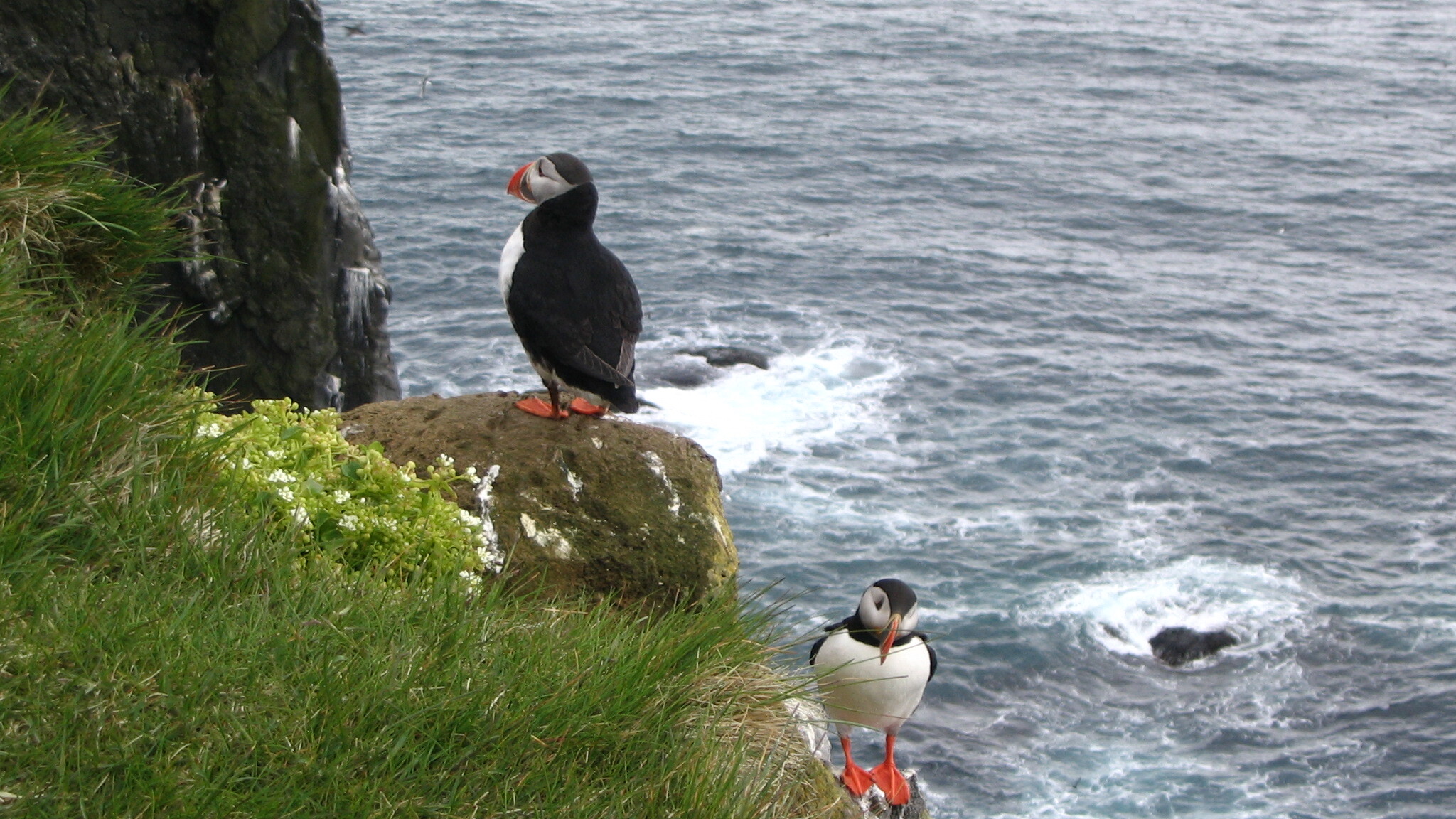
Latrabjarg stands as one of Europe's largest bird cliffs, offering a remote and rugged look at millions of nesting seabirds and the dramatic coastline of the Westfjords.
If you’re on the hunt for spectacular landscapes and abundant wildlife, Látrabjarg in the Western Fjords of Iceland offers an experience unlike any other. As one of Europe’s highest bird cliffs, this stunning locale is a haven for millions of seabirds, including the beloved Atlantic puffin. Dive deeper into Látrabjarg’s breathtaking scenery and diverse avian population!
Látrabjarg, measuring an impressive 441 meters at its highest point, not only offers mesmerizing views of the North Atlantic Ocean but also presents countless opportunities for birdwatching enthusiasts. These majestic cliffs are home to various seabird species that nest in the rocky crevices along the cliffs, creating a vibrant tapestry of life.
Continue reading to uncover the unique characteristics of Látrabjarg and tips for making the most of your visit!
The Birdlife of Látrabjarg
Látrabjarg is renowned for being the primary nesting site for various seabird species, making it a birdwatching hotspot. The rugged cliffs, with their steep faces and numerous ledges, provide ideal nesting conditions for birds.
Some of the most notable species include:
- Atlantic Puffins: Easily recognized by their colorful beaks and charming waddles, puffins are highly social and nest in burrows along the cliffs.
- Razorbills: These black-and-white birds can often be seen diving for fish in the surrounding waters.
- Guillemots: Known for their striking plumage, guillemots are frequent visitors and can be spotted perched along the cliff edges.
- Fulmars: With their graceful flights and strong wings, fulmars glide effortlessly along the cliffs and are frequently seen circling above.
April to September is the prime time for birdwatching at Látrabjarg when thousands of these seabirds return to nest, providing an incredible spectacle for visitors.
Stunning Scenic Views
Beyond the rich birdlife, the vistas at Látrabjarg are simply breathtaking. The cliffs tower above the North Atlantic Ocean, offering panoramic views that stretch as far as the eye can see. The rugged beauty of the cliffs is accentuated by the crashing waves below, creating dramatic photo opportunities.
As you explore the cliffs, keep an eye out for picturesque landscapes, including:
- Majestic Cliff Faces: The sheer drop-offs create stunning contrasts against the deep blue of the ocean.
- Wildflower Landscapes: The cliffs are adorned with vibrant green grasses and colorful wildflowers during the summer months.
- Sunset Views: Plan your visit towards the evening for spectacular sunsets, painting the sky with hues of orange and pink.
Getting to Látrabjarg
Látrabjarg is located in the Westfjords and is accessible by car. The journey to the cliffs is an adventure in itself, with winding roads and scenic landscapes leading to this remarkable destination.
Here are some practical tips for visiting:
- Travel by Car: Renting a car is the most convenient way to access Látrabjarg. The journey from Reykjavik takes about 5-6 hours, so plan accordingly.
- Road Conditions: Be aware that the roads can be narrow and winding, requiring extra caution while driving.
- Accessibility: The cliffs are open year round; however, the best views and birdwatching opportunities are during the warmer months.
Safety Tips for Visiting the Cliffs
While exploring the cliffs, safety should be a top priority. The steep edges and unpredictable weather can pose challenges. Here are some essential tips to ensure a safe visit:
- Stay Away from the Edge: The cliffs can be treacherous with sudden drop-offs. Always maintain a safe distance from the edge.
- Dress Appropriately: The weather conditions can change rapidly in Iceland. Dress in layers and be prepared for wind and rain.
- Respect Wildlife: Maintain a safe distance from nesting birds and refrain from disturbing their environment.
Conclusion
Látrabjarg is more than just a destination; it’s a sanctuary of natural beauty and vibrant wildlife. Whether you’re a passionate birdwatcher, a photography enthusiast, or simply someone looking to experience Iceland's rugged landscapes, Látrabjarg promises an unforgettable encounter with nature. Be sure to add this incredible location to your Iceland itinerary for a truly enriching experience!
Látrabjarg is the westernmost point of Iceland and one of the largest, most spectacular bird cliffs in the world. Stretching 14 kilometers in length and reaching heights of up to 441 meters, it marks the edge of the European continent. 1. The Puffin Capital Látrabjarg is most famous for its incredible density of seabirds. It is home to millions of birds, including guillemots, razorbills, and northern fulmars. Trusting Puffins: Unlike in other parts of Iceland, the puffins here are remarkably unafraid of humans. Because there are no foxes on the cliffs, they often burrow right at the cliff’s edge and will allow you to get within a few feet for photos. Pro Tip: Always approach the cliff edge by lying on your stomach. The edges can be hollowed out by burrows and are prone to crumbling; crawling forward ensures your weight is distributed safely. 2. A Lifesaving History The cliff is the site of one of Iceland’s most legendary rescues. In 1947, a British trawler, the Dohni, wrecked at the base of the cliffs in a winter storm. Local farmers performed a heroic rescue by abseiling down the 190-meter freezing rock face on ropes to pull 12 survivors to safety. This event was later immortalized in a famous documentary film. 3. Hiking and Views There is a well-defined hiking trail that runs along the crest of the cliffs. The Experience: Walking along the ridge feels like standing at the end of the world. On clear days, you can see across the Denmark Strait toward Greenland. Photography: The light at the "edge of the world" is particularly magical during the Midnight Sun in June and July. 4. Accessibility and Travel Tips Látrabjarg is located in one of the most remote corners of the Westfjords. The Drive: It is a long journey on gravel roads (primarily Route 612). It takes about 2.5 to 3 hours to drive there from Ísafjörður. Season: The birds are only present during the breeding season, typically from mid-May to mid-August. By late August, the puffins "fly the coop" and head back to the open ocean for the winter. Supplies: There are no shops or gas stations at the cliffs. The nearest services are at Breiðavík or Patreksfjörður, so fuel up and pack snacks before heading out. Detail Information Height Up to 441 meters Length 14 kilometers Best Time June and July (for birds) Status Europe's westernmost point One of Europes biggest bird cliffs, a home to birds in unfathomable numbers. This westernmost point of Iceland is really a line of several cliffs, 14 kilometres long and up to 441 m high. And it’s as steep as it gets, dizzyingly so. Safe from foxes, the birds are fearless, and provide stunning photographic opportunities from close range. Bird photography for dummies, you might say. The puffins are particularly tame and are the ones frequenting the grassy, higher part of the cliffs. But look out, the edges are fragile and loose and the fall is high. Látrabjarg is thus deservedly the most visited tourist attraction in the Westfjords. The cliffs are easily accessible by car and when you’re there, a walk along the cliffs awaits. The whirling sensation will not fade, and neither will the memories.
„Látrabjarg er stærsta fuglabjarg landsins. Hér mun verpa allt að einni milljón fugla af ýmsum tegundum, meðal annars allar tegundir svartfugla sem halda til við Íslandsstrendur að haftyrðli frátöldum. Auk svartfugla er mikið af fýl og ritu og við rætur bjargsins er mesta samfellda álkubyggð veraldar“ (1). Látrabjarg, sem er vestasti oddi landsins, er í raun röð margra bjarga, 14 kílómetrar að lengd og 441 m hátt. Hér er lundinn sérstaklega gæfur sem býður upp á einstök tækifæri til ljósmyndunar (2). Gönguleið er frá bílaplani við Látrabjarg en hægt er að ganga eftir bjarginu eins langt og fólk vill (3). Fara þarf varlega við bjargbrúnina og sýna fuglalífinu tillitsemi (4). Staðurinn er á náttúruminjaskrá Vestfjarða.
Where to go next
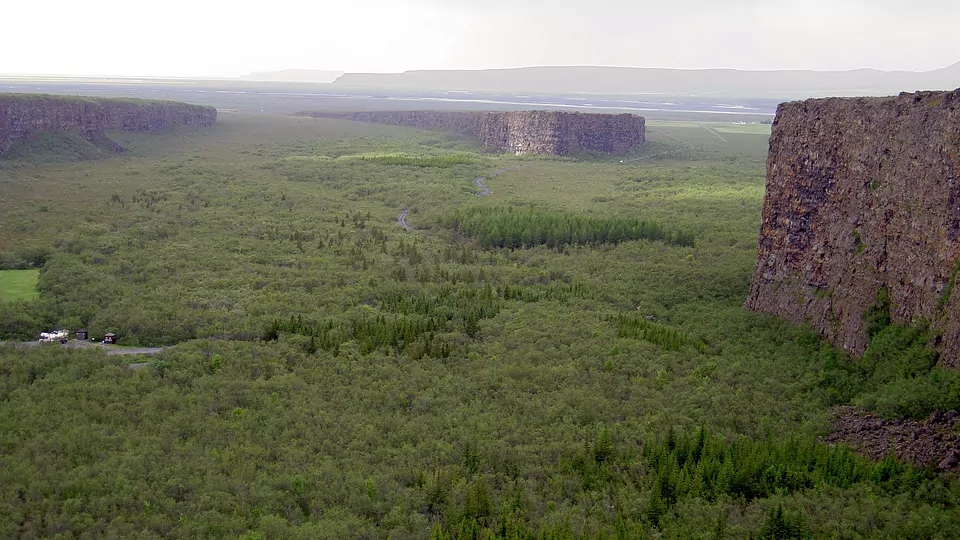
Next: Asbyrgi — 653 km, 600 minutes from Latrabjarg, narrated.
Step inside a journey
Guided audio journeys across Iceland — every stop mapped, narrated and ready to drive.
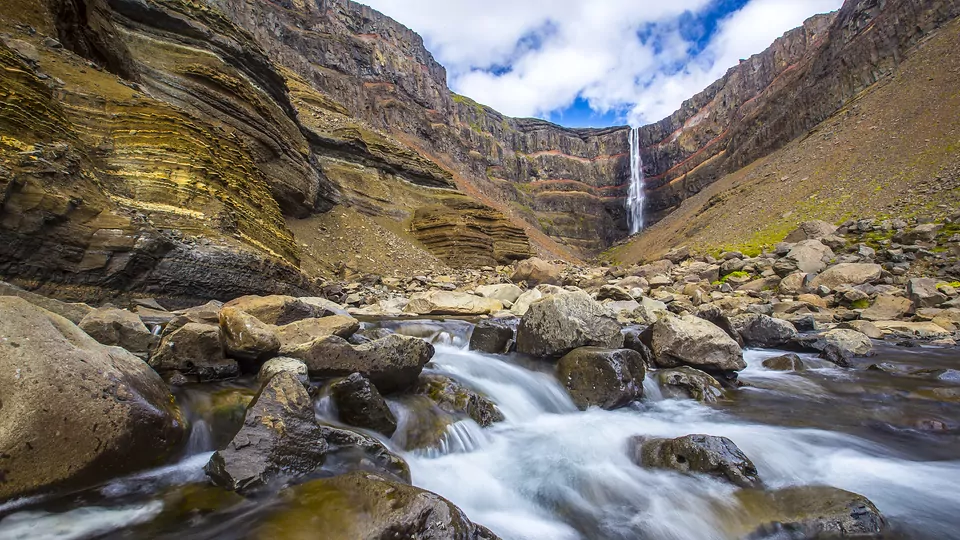
8 stops
East Iceland and the Eastfjords
Explore Iceland’s quieter east through fjords, small towns, basalt canyons, forests, and mountain-backed coastlines.
Start journey →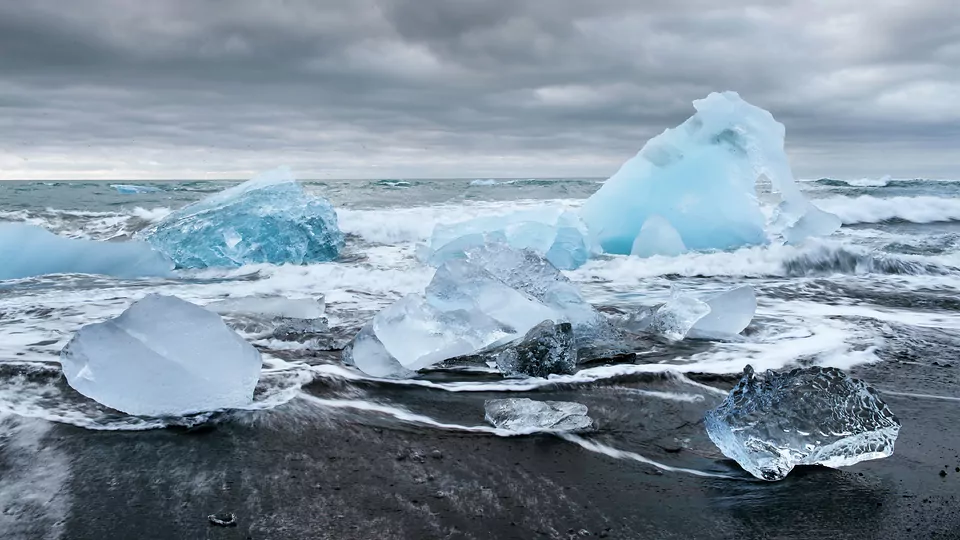
5 stops
Glacier Lagoons and Southeast Iceland
Experience Iceland’s glacial edge through lagoon ice, black shores, mountain views, and wide-open southeast landscapes.
Start journey →
8 stops
Reykjanes: Fire, Steam and Ocean
Discover Iceland’s volcanic gateway through lava fields, geothermal areas, and dramatic coastal landscapes.
Start journey →