Landmannalaugar: The geothermal heart of the Fjallabak Nature Reserve
Landmannalaugar
Weather
Local Time
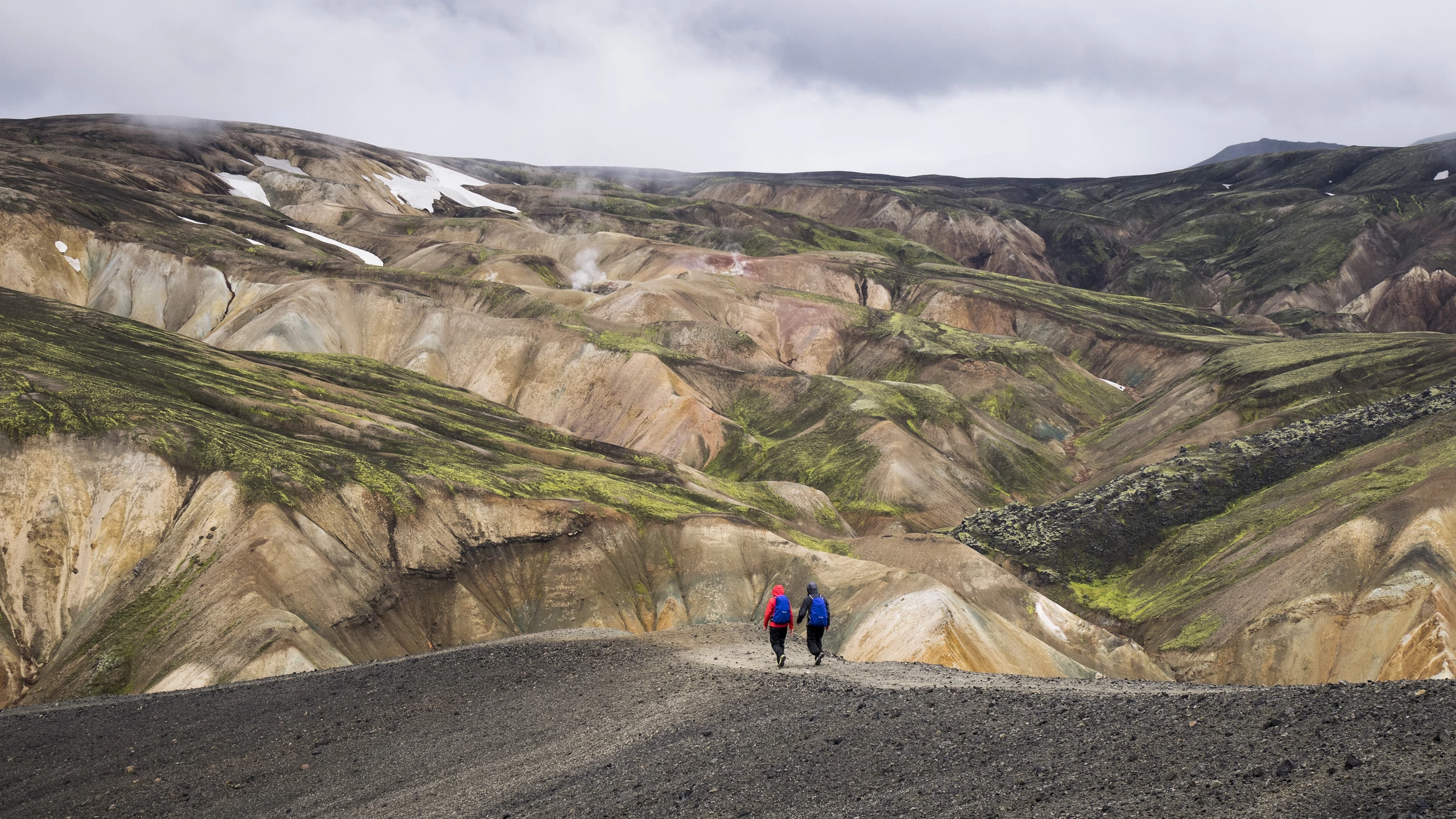
A high-altitude landscape of rhyolite mountains, obsidian lava fields, and geothermal rivers accessible only during the brief Highland summer.
Geothermal area in the Highlands
Landmannalaugar derives its name from a hot pool that rises from under the Laugahraun lava field and belongs to the Fjallabak nature reserve.The area is renowned for its natural beauty, jawdropping sights and popular hiking trails. There facilities such and showers and accommodation for travelers. Landmannalaugar is the crown jewel of the Icelandic Highlands, a geological wonderland located in the Fjallabak Nature Reserve. Known for its multicolored rhyolite mountains, expansive lava fields, and natural geothermal pools, it is a place that feels less like Earth and more like a high-altitude fever dream of a landscape painter. The Geological Palette The primary reason for Landmannalaugar’s fame is the rhyolite rock that makes up the surrounding peaks. Unlike the standard dark basalt found in most of Iceland, rhyolite is a volcanic rock rich in silica and minerals that, when cooled at different rates, produces a kaleidoscopic range of colors. The mountains here—most notably Brennisteinsalda ("Sulphur Wave") and Bláhnúkur ("Blue Peak")—glow with hues of ochre, pink, lime green, and deep obsidian. What People Often Comment About When travelers share their experiences of Landmannalaugar, the conversation usually revolves around three core elements: The Colors, The People's Pool, and The "Laugavegur" Trail. 1. "It Doesn't Look Real": The most common comment is that photos do not do the colors justice. Visitors often remark that the mountains look like they have been painted or that the saturation of the landscape is turned up to a level that feels artificial. The contrast between the colorful slopes and the jet-black Laugahraun lava field is a frequent highlight. 2. The Natural Hot Spring: The name Landmannalaugar translates to "The People's Pools." Almost everyone comments on the experience of soaking in the natural hot river right next to the campsite. The mix of scalding geothermal water and cold mountain runoff creates a unique bathing experience where you have to move around to find your "perfect" temperature. 3. The Hiking Gateway: Landmannalaugar is the starting point for the world-famous Laugavegur Trail, a 55km trek to Þórsmörk. Hikers often comment on the intense camaraderie at the mountain hut and the sheer variety of terrain—from steaming vents to snow-covered passes—encountered within just the first few hours of walking. What is True, But Not Often Mentioned While the "rainbow mountains" get the headlines, there are several fascinating and factual aspects of Landmannalaugar that remain under the radar for most visitors. 1. It is a "Living" Volcanic System: People see the colorful mountains as static scenery, but they are part of the active Torfajökull volcanic system. This is the largest silicic (rhyolite) volcanic center in Iceland. The steam vents (fumaroles) scattered across the hillsides aren't just for show; they are a sign of a massive magma chamber sitting relatively close to the surface. 2. The "Obsidian" Connection: Landmannalaugar is one of the best places in the world to see obsidian (volcanic glass) in its natural state. The Laugahraun lava field, which formed in a 1477 eruption, is filled with huge chunks of shiny, sharp black glass. While it’s tempting to pick up a souvenir, it is strictly forbidden (and illegal) to remove any rocks from the nature reserve. 3. The Sheep Farmers' History: Before it was a tourist destination, Landmannalaugar was for centuries a vital refuge for sheep farmers. During the annual "rettir" (sheep gathering), farmers would use the geothermal pools to stay warm and rest while rounding up thousands of sheep that grazed in the Highlands during the summer. The "People's Pool" wasn't a spa; it was a survival tool. 4. The "Road" is a Destination Itself: Many people mention the "F-Roads" (mountain roads) but few emphasize that the journey to Landmannalaugar is a significant part of the experience. To get there from the south, you must cross several unbridged rivers. It is a factual reality that every year, several rental cars are destroyed here because drivers underestimate the depth and power of these glacial rivers. 5. The Seasonal "Ghost Town": Because of its extreme elevation and harsh weather, Landmannalaugar is only accessible for about three months of the year (late June to mid-September). For the other nine months, it is a silent, snow-buried wilderness. The mountain huts are closed, the roads are impassable, and the landscape returns to a state of total isolation that few humans ever see. Surprising Realities The Wind is No Joke: While people prepare for rain, they are often surprised by the Highland winds, which can be strong enough to flatten tents or sandblast the paint off a car. The "Crowded" Wilderness: Because the accessible season is so short, the main campsite can feel surprisingly crowded. It is a paradox of Icelandic travel: you go to the most remote part of the country only to find yourself sharing a patch of gravel with 200 other tents. Highland Microclimate: It is not uncommon to experience a snowstorm in the middle of July. Factual weather records show that Landmannalaugar can see freezing temperatures and snow any day of the year. Conclusion Landmannalaugar is a place of raw, unedited nature. It is where the internal heat of the Earth spills out onto the surface in a display of color and steam. Whether you are there to hike the Laugavegur or simply to soak in the river and gaze at the rhyolite peaks, it offers a perspective on the planet's power that is both humbling and exhilarating. It is a reminder that the Highlands are not just a place to visit, but a dynamic, changing environment that demands respect.
Where to go next
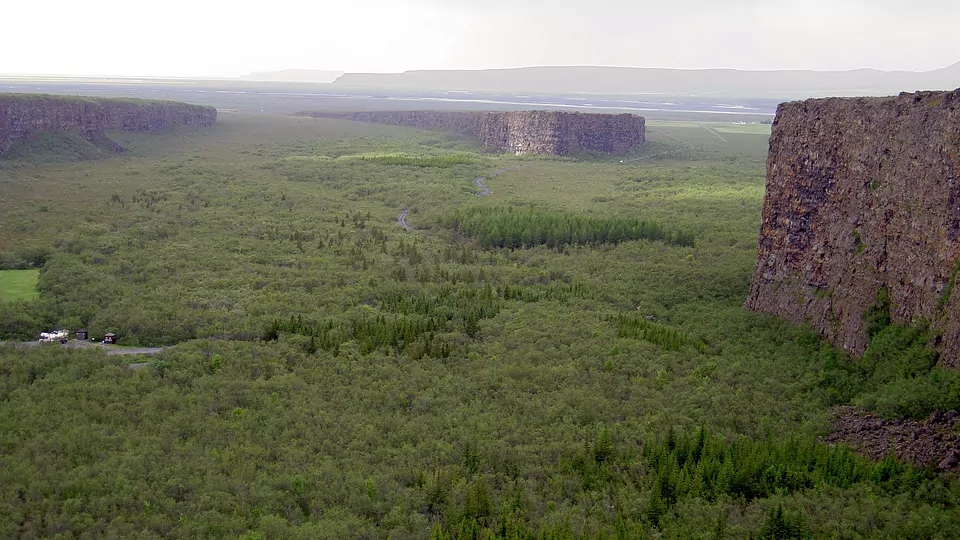
Next: Asbyrgi — narrated, and free to walk into.
Step inside a journey
Guided audio journeys across Iceland — every stop mapped, narrated and ready to drive.
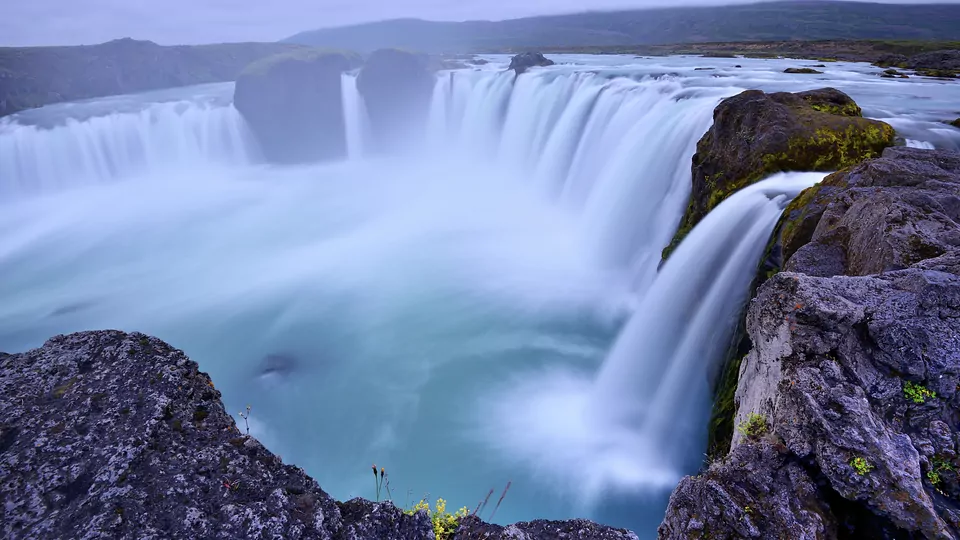
10 stops
Diamond Circle
See North Iceland’s volcanic landscapes, waterfalls, geothermal areas, and northern coastal towns in one journey.
Start journey →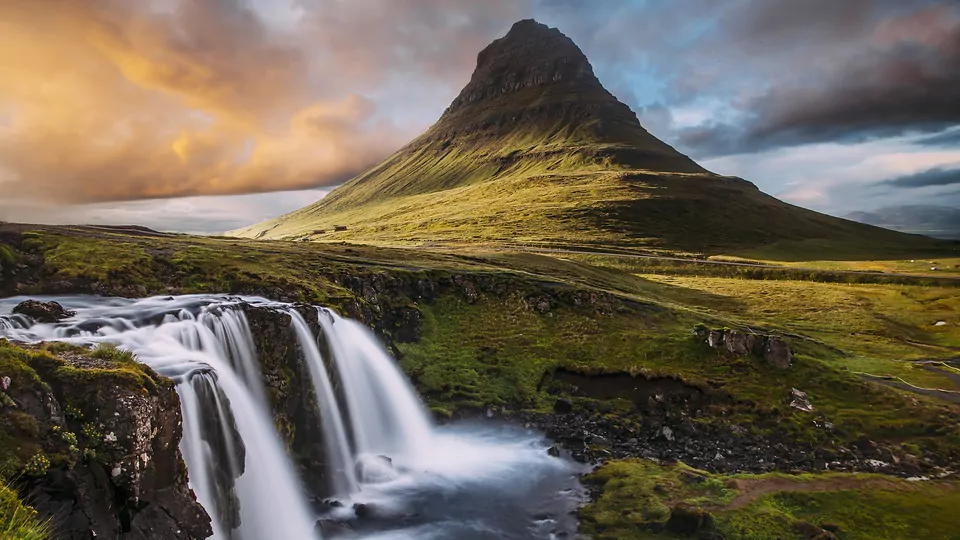
11 stops
Snaefellsnes and West iceland
Discover a region that brings together glaciers, lava fields, fishing villages, waterfalls, and dramatic coastal scenery.
Start journey →
5 stops
Golden Circle
Embark on an unforgettable digital journey through the Golden Circle, exploring Thingvellir, Geysir, Gullfoss, and more through gu...
Start journey →