Barnafoss: Glacial power and ancient folklore in the Borgarfjordur region
Barnafoss
Weather
Local Time
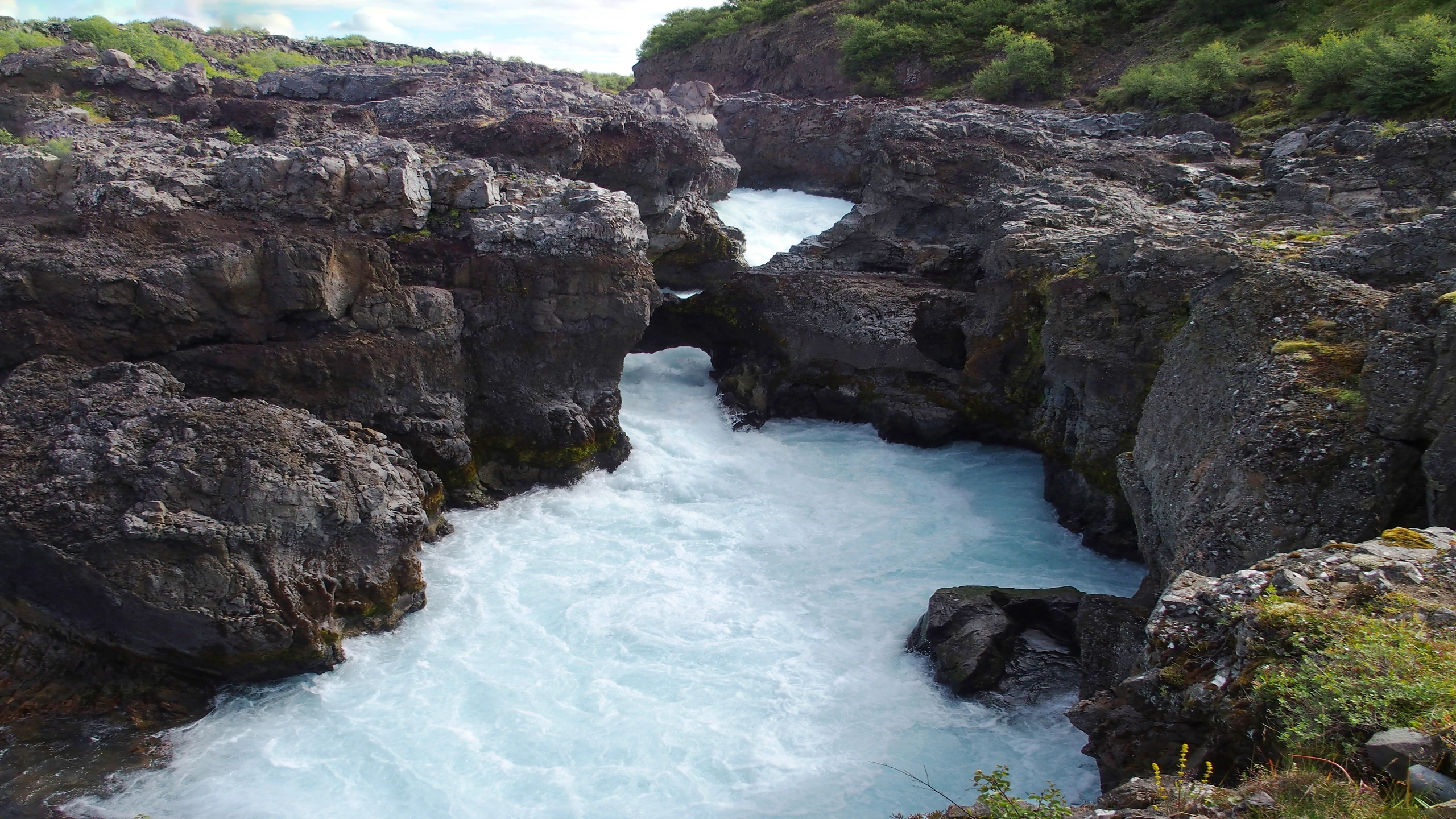
Barnafoss presents a visceral display of the Hvita River’s strength, where churning turquoise water cuts through narrow lava formations steeped in a tragic local legend.
Barnafoss, located in the Borgarfjörður region of western Iceland, is a waterfall that captivates visitors not through height or sheer volume, but through its violent, churning energy and the haunting folklore woven into its name. Translated as the "Children’s Waterfall," it presents a striking contrast to its neighbor, Hraunfossar, which sits just a few hundred meters downstream. While Hraunfossar is celebrated for its ethereal beauty—thousands of tiny rivulets trickling out of a moss-covered lava field—Barnafoss is a turbulent rush of glacial water forced through a narrow, jagged rock gorge.
The waterfall is part of the Hvítá River, which originates from the Langjökull glacier. As the water reaches Barnafoss, the riverbed constricts significantly, turning the flow into a series of powerful, foaming rapids. The water here often takes on a brilliant, milky turquoise hue, a characteristic of glacial meltwater carrying fine rock flour. Over centuries, the relentless force of the water has carved deep potholes and strange, sculptural shapes into the dark volcanic rock, creating a landscape that feels both ancient and dangerously alive.
The most enduring aspect of Barnafoss is the tragic legend that explains its name. According to local folklore, there was once a natural stone arch that spanned the river, forming a bridge. One Christmas Day, a family from the nearby farm of Hraunsás went to church, leaving two young boys behind. Bored and restless, the children decided to follow their parents but attempted to cross the river via the stone bridge. Dizziness or a slip of the foot caused both boys to fall into the thundering rapids, where they perished. When their mother discovered what had happened, she was consumed by grief and rage. In some versions of the tale, she had the bridge destroyed; in others, she cast a spell on it, ensuring that no one would ever cross the bridge again without meeting the same fate. Shortly after, the arch collapsed—either by her hand or an earthquake—leaving the broken rock formations visible today.
Visiting Barnafoss today is a sensory experience. Well-maintained walking paths and viewing platforms allow visitors to stand directly over the narrowing gorge, where the roar of the water is deafening and the mist rises in thick clouds. The site is a key highlight of the "Silver Circle," a popular touring route that includes the historical settlement of Reykholt and the Deildartunguhver hot springs.
Because it is easily accessible from the Ring Road, it remains one of West Iceland's most photographed spots. In the winter, the surrounding lava rocks are often coated in a treacherous, beautiful layer of blue ice, while in the summer, the vibrant green moss and wildflowers provide a soft frame for the violent water. Barnafoss serves as a poignant reminder of the raw, indifferent power of Icelandic nature—a place where geological beauty and human history are inextricably linked.
Where to go next
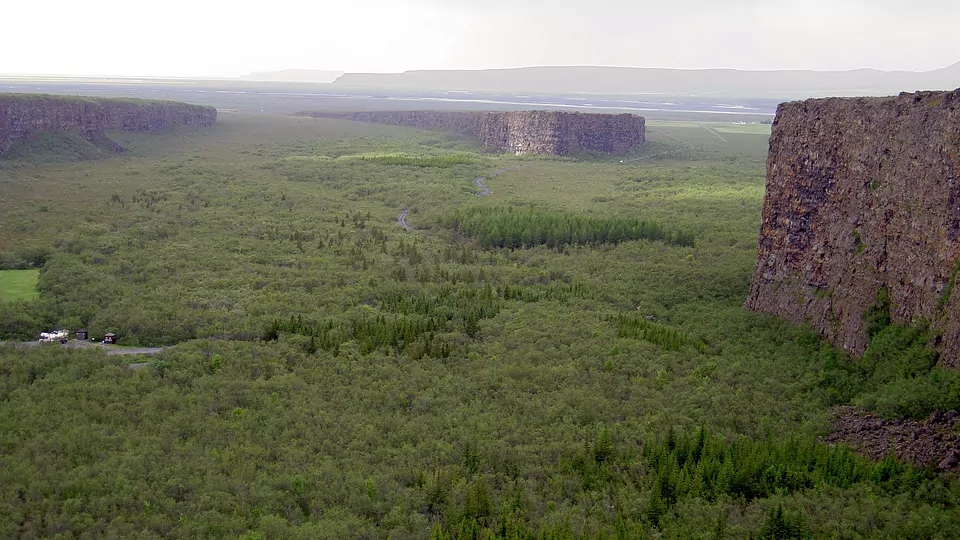
Next: Asbyrgi — narrated, and free to walk into.